

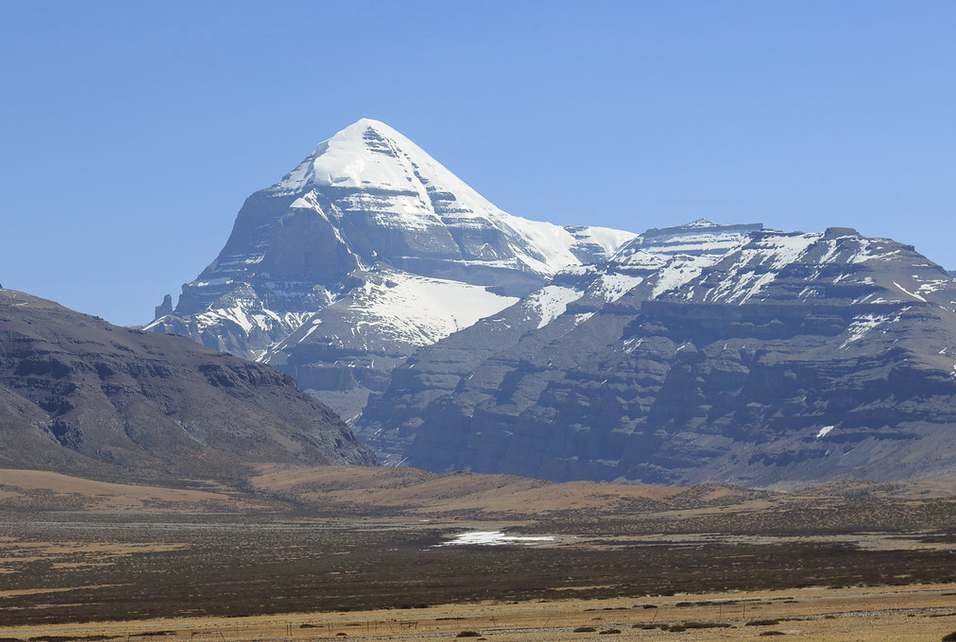
There are journeys you plan and journeys that change you. The Mount Kailash kora experience sits firmly in the second category. Most people who complete the three day circuit around the base of this sacred mountain return home describing it as a deeply significant experience that stays with them long after they return home. This piece is for people who want to know what the journey actually feels like, not just what the itinerary says.
It is written from the perspective of someone who has walked the kora and wants to give an honest picture of what waits for you out there, from the first steps out of Darchen to the quiet satisfaction of returning to the starting point three days later.
Before You Begin: The Feeling of Arriving at Mount Kailash
The night before the kora begins, in a guesthouse in Darchen at 4,560 meters, there is a particular kind of stillness. The town is small and functional. The air is cold and thin. Outside, the southern flank of Kailash is visible in the last light, a dark pyramidal shape against the deep blue of the high-altitude sky. You have traveled a long way to get here, overland through Tibet, past monasteries and plateau grasslands and herds of yak, and now the mountain is right there.
Many people feel a mixture of quiet anticipation and genuine nervousness on this night. The altitude has already been affecting sleep, food tastes less appealing than usual, and the body feels the effort of simply being at this elevation. The Mount Kailash kora experience begins before the first step of the circuit. It begins in that guesthouse room with the mountain outside the window.
Day One: Walking Into the Valley
The first morning starts early. The trail from Darchen heads north into the Lha Chu valley, a wide corridor flanked by ridges on either side with the mountain ahead. The walking is gradual on this first day and the pace is slow, partly from the altitude and partly because the landscape demands it. You stop more than you expect to. Not because you are tired, though the thin air makes everything feel slower, but because the surroundings keep pulling your attention.
Other pilgrims share the trail. Tibetan Buddhist devotees in traditional dress, some prostrating themselves on the ground at every step as a form of deep devotion. Indian Hindu pilgrims chanting mantras as they walk. Small international groups moving quietly with their guides. The atmosphere on the trail is unlike any other trekking route in the region. There is a collective sense of purpose that you can feel even without sharing the religious beliefs of those around you.
The north face of Kailash comes into full view partway through day one and it stops most people in their tracks. The sheer black rock face rising directly above the valley, with a glacier hanging from its upper section and prayer flags fluttering at nearby sacred sites, is one of the most visually powerful sights in the Himalayas. Standing in front of it at altitude, after days of travel to reach this point, is a genuinely moving experience regardless of whether the mountain holds any spiritual significance for you.
Dirapuk guesthouse sits below the north face and is where most trekkers spend the first night. The accommodation is basic, usually consisting of simple guesthouse rooms and a shared dining area serving hot meals. Carrying a warm sleeping bag is recommended, even when blankets are available. It is enough. You sleep earlier than usual and more deeply than the night before.
Day Two: The Dolma La Pass
Day two of the Mount" target="_blank" rel="noopener noreferrer">https://www.exploreinnepal.com/mount-kailash-tour-from-nepal/">Mount Kailash tour is the one that stays with people the longest. The climb from Dirapuk to the Dolma La Pass at 5,636 meters begins in the dark for most trekkers, headlamps picking out the trail as the temperature sits well below zero. The ground is frozen in places, the air is very still, and the only sounds are footsteps, breathing, and occasionally the distant bells of a yak carrying supplies.
The climb is hard. There is no comfortable way to say otherwise. At this altitude, each step requires conscious effort and the trail gains elevation relentlessly over the final section before the pass. Many trekkers describe a point somewhere on this climb where the physical effort and the altitude combine into something that feels genuinely at the edge of what they can do. Some people cry without fully understanding why. Others feel a strange calm settle over them as the pass comes into sight.
The Dolma La itself is marked by a large rock draped in prayer flags and surrounded by offerings left by pilgrims over many generations. Arriving at the pass is one of the most emotionally charged moments of the entire Mount Kailash kora experience. The view back toward the north face and forward into the eastern valley opens up simultaneously, and the sense of having crossed something significant, not just a high point on a trail but something more personal, is almost universal among people who reach it.
The descent from Dolma La to Zuthulpuk is long and tiring on legs already worked hard by the climb. The valley gradually widens and the altitude drops enough for breathing to ease slightly by the time the guesthouse comes into view. Dinner that night is eaten with a different kind of hunger than the night before. The hardest part is done.
Day Three: The Return
The final day of the kora covers around 10 kilometers on relatively gentle terrain back to Darchen. After the physical demands of day two, the body on day three feels both depleted and surprisingly capable. The walking is easier, the altitude is gradually decreasing, and the mood among trekkers is noticeably lighter.
People talk more on day three. There is a sense of shared experience with others on the trail, even strangers, that builds naturally over the three days of the circuit. You may find yourself walking alongside someone whose language you do not share but whose presence feels companionable in a way that is hard to explain. The mountain does something to the people walking around it. It removes the usual social distance.
The arrival back at Darchen is quiet rather than dramatic. There is no finish line, no crowd, no ceremony for most international trekkers. You walk back into the small town, your legs tired, your face weathered from three days of high-altitude sun and cold, and you sit down somewhere warm with something hot to drink. The kora is complete.
What Stays with You Afterward
The Mount Kailash kora experience does not end at Darchen. It continues in the days and weeks after you return home, often in ways you did not anticipate. People describe a shift in perspective that is difficult to articulate precisely. A sense that something has been clarified. A quieter relationship with things that used to feel urgent. An awareness of the physical world and the body moving through it that persists long after the soreness has faded.
Not everyone has a spiritual experience at Kailash in the religious sense of the term. But almost everyone comes away feeling that the journey was significant in a way that goes beyond what the itinerary described. The mountain, the altitude, the community of pilgrims, the physical effort, and the remoteness all combine into something that is more than the sum of its parts.
A Note on Lake Mansarovar
Most itineraries include a visit to Lake Mansarovar before the kora begins, and this deserves mention as part of the full Mount Kailash kora experience. The lake at 4,590 meters is vast, very still on calm days, and deeply blue in a way that feels almost unreal against the surrounding barren hills. Many pilgrims take a ritual bath in the lake, a practice considered sacred across Hindu and Buddhist traditions.
Sitting at the edge of Mansarovar in the early morning, before the wind picks up and while the surface is still and reflective, is a deeply peaceful moment that sets the tone for the journey ahead. It sets a tone of quiet attention that the kora then deepens over the following three days.
Final Thoughts
The Mount Kailash kora experience is not easy to summarize, which is perhaps the most honest thing that can be said about it. It is physically demanding, emotionally surprising, logistically complex, and genuinely unlike any other journey available to travelers in this part of the world. If you decide to undertake the journey, prepare carefully, travel with respect for its cultural and spiritual importance, give yourself time to experience it fully, and let the mountain show you what it has to show you.
Most people who complete it say they would go back. That tells you something important about what waits for you there.
You may like
There are journeys you plan and journeys that change you. The Mount Kailash kora experience sits firmly in the second…
Mount Kailash tour
Top Reasons Why Student Visas Get Rejected (And How to Avoid Them?)
A well-prepared application does more than…

How to Build a Strong Profile for Study Abroad Applications in 2026?
If you are ready to begin building your study…