

 Re-mark
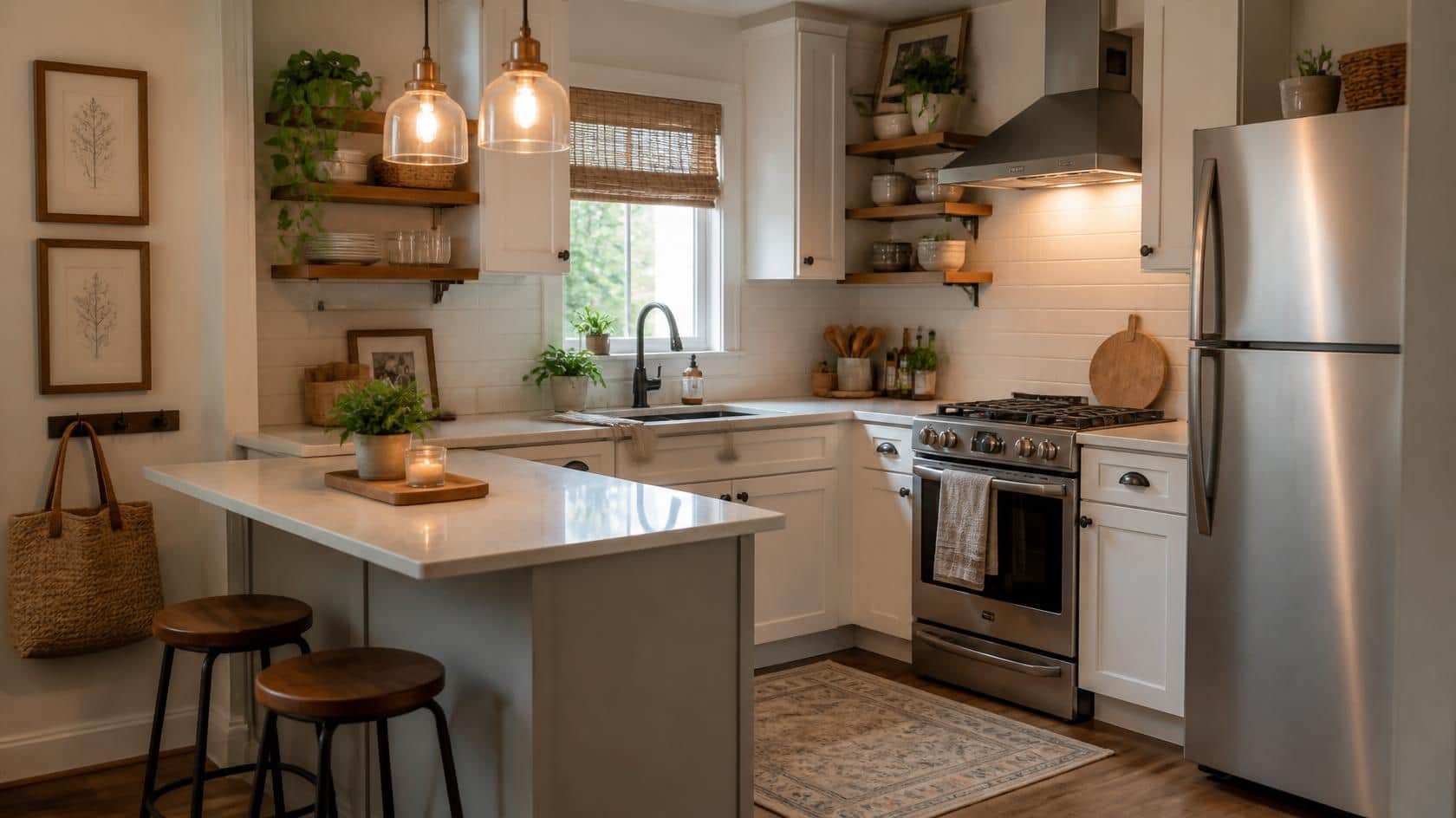
Quick Answer: Kitchen remodeling costs in 2026 range from $12,000 to over $120,000 depending on project scope, location, and material choices. To save money, keep your kitchen layout unchanged, prioritize essential upgrades over cosmetic changes, and always leave a 15-20% contingency fund for unexpected issues. This comprehensive guide breaks down costs by budget tier and provides practical, designer-approved saving strategies.
Understanding 2026 Kitchen Remodel Costs
When planning a kitchen renovation, the first question that comes to mind is always about cost. In 2026, kitchen remodeling costs vary dramatically based on scope, square footage, and regional labor rates. A minor kitchen remodel typically runs between $10,000 and $25,000, while a major renovation with layout changes can reach $50,000 to $120,000 or more.
Nationally, a full kitchen remodel runs anywhere from about $25,000 to $150,000 depending on scope. The national average for a minor kitchen remodel is approximately $28,458, while a major kitchen remodel averages $82,793 with midrange appliances and finishes. These figures hide huge regional swings—in Los Angeles, for example, a full kitchen remodel in 2026 lands between $66,000 and $110,000.
The price per square foot is another useful benchmark. A typical midrange kitchen remodel runs about $150–$300 per square foot—roughly $22,000–$45,000 for a standard 150 sq ft kitchen. Budget refreshes can land near $75–$150/sq ft, while upscale remodels with custom cabinetry and premium appliances run $300–$600/sq ft and beyond.
Key cost drivers:
- Kitchen size — Larger spaces require more materials and labor
- Scope of work — Cosmetic updates cost significantly less than full gut renovations
- Material quality — Custom cabinets cost 3-5 times more than stock options
- Geographic location — Labor costs vary dramatically by region
- Structural changes — Moving plumbing, gas lines, or walls adds thousands of dollars
- Permit requirements — Some municipalities require permits for electrical and plumbing work
The single most effective way to control costs is to maintain your existing kitchen footprint and avoid relocating sinks, stoves, or refrigerators. Every time you move a major fixture, you add thousands in plumbing, electrical, and gas work.
Budget Breakdown: 3 Plans for Every Budget
Plan 1: $10,000–$25,000 (Budget-Friendly Refresh)
Cabinet refacing or painting instead of full replacement
This plan focuses on surface-level updates that deliver significant visual impact without structural changes. It works best when your existing kitchen layout functions well but looks dated or tired. A budget kitchen renovation typically ranges between $12,000 and $30,000 in North America.
What's included:
- Cabinet refacing or professional painting
- New hardware (handles, knobs, and pulls)
- Laminate or butcher block countertops
- Basic backsplash (subway tile or peel-and-stick options)
- New faucet and sink
- Fresh paint on walls
- Minor lighting updates (pendant lights or under-cabinet fixtures)
- New resilient flooring (vinyl or linoleum)
Best for: Homeowners wanting a fresh look without major construction. Works excellently for rental properties, starter homes, or properties being prepared for sale. Compact kitchens (60–120 sq ft) typically fall within this range.
Pro tip: Keeping your layout completely intact is the number one way to stay in this budget tier. When you don't move plumbing or gas lines, you eliminate the most expensive labor costs.
Plan 2: $25,000–$60,000 (Mid-Range Renovation)
Partial renovation with some layout improvements
This plan balances cost with meaningful upgrades. It's the most popular choice for homeowners planning to stay in their homes for 5+ years. A mid-range kitchen renovation typically costs between $20,000 and $60,000.
What's included:
- New semi-custom cabinets
- Quartz or granite countertops
- Updated backsplash (ceramic, glass, or natural stone)
- New sink and premium faucet
- Updated lighting design (pendants, under-cabinet, recessed)
- New mid-range appliances
- Minor layout adjustments
- New flooring (vinyl, tile, or engineered hardwood)
Best for: Families and long-term homeowners who want a substantial upgrade without breaking the bank. Most small to medium kitchens (70–150 sq ft) fall into this range.
Pro tip: Within this budget, semi-custom cabinets offer the best value—they provide flexibility in sizing and finishes without the premium price tag of fully custom cabinetry.
Plan 3: $50,000–$120,000+ (Luxury Full Remodel)
Complete transformation with custom features
This plan delivers a dream kitchen with premium materials and bespoke design. It's ideal for homeowners who plan to stay in their homes for many years or have specific design requirements. A luxury remodel typically ranges from $50,000 to $120,000 or more.
What's included:
- Custom or high-end semi-custom cabinets
- Natural stone countertops (marble, quartzite, or premium granite)
- Designer backsplash (hand-painted tile, mosaic, or full slab)
- Premium appliances (panel-ready, smart features, professional-grade)
- Custom island with seating and storage
- Designer lighting and fixtures
- Full layout reconfiguration
- High-end flooring (hardwood, natural stone, or luxury vinyl)
- Custom storage solutions (pull-outs, organizers, specialty inserts)
Best for: Dream kitchen projects, luxury homes, and owners wanting a completely personalized space. Major kitchen remodels with layout changes typically push toward the higher end of this range.
Pro tip: If you're considering this tier, invest in quality cabinetry and countertops—these elements define the kitchen's longevity and resale value. Appliances can be upgraded later, but structural elements are costly to change.
Understanding Cost Breakdown
Kitchen remodeling costs are typically divided into several categories. Understanding this breakdown helps you allocate your budget strategically:
| Cost Category | Percentage of Total | What It Includes |
|---|---|---|
| Cabinetry | 30-40% | Stock, semi-custom, or custom cabinets; hardware; installation |
| Labor | 20-25% | Demolition, installation, electrical, plumbing, carpentry |
| Countertops | 10-15% | Material and fabrication; installation |
| Appliances | 10-15% | Refrigerator, oven/range, cooktop, dishwasher, microwave |
| Flooring | 5-8% | Material and installation |
| Backsplash | 3-5% | Tile, grout, installation |
| Lighting | 3-5% | Fixtures, under-cabinet lighting, recessed lights |
| Plumbing & Electrical | 5-8% | Updates, moving fixtures, code compliance |
| Permits & Contingency | 5-10% | Permits, dumpster fees, unexpected costs |
Cabinetry represents the largest single expense, typically accounting for 30-40% of total costs. Stock cabinets range from $100 to $300 per linear foot; semi-custom options cost between $150 and $650 per linear foot; and custom cabinets can exceed $1,000 per linear foot. For a typical kitchen, cabinet costs alone can range from $5,000 to $15,000 for stock or semi-custom options, while custom cabinets can reach $15,000 to $30,000.
Countertops are the second major expense. Laminate starts around $10–$40 per square foot, granite ranges $50–$100 per square foot, quartz runs $70–$120 per square foot, and marble can cost $100–$150 per square foot. Countertop costs typically range from $1,200 to $5,000 depending on material and kitchen size.
Pro tip: Always allocate 15-20% of your total budget for unexpected expenses. Hidden issues like water damage, outdated wiring, or plumbing problems are common in older homes. Industry experts also suggest spending 5-15 percent of your home's value on a kitchen remodel.
5 Smart Ways to Save Money on Your Kitchen Remodel
1. Keep the Kitchen Layout Unchanged
The single most effective money-saving strategy is avoiding the relocation of major fixtures. Every time you move a sink, stove, or refrigerator, you add thousands in plumbing, electrical, and gas work. Keeping the footprint and plumbing unchanged typically keeps you near the lower end of your budget range.
Savings potential: $3,000–$8,000
Why it works: Maintaining existing connections eliminates costly relocations, reduces demolition time, simplifies the project, and often avoids the need for permits.
2. Set Clear Priorities Before You Start
List what you absolutely need versus what would be nice to have. Focus your budget on items that impact daily function rather than purely aesthetic choices. The 35/20/15/10/10/10 budget rule provides a helpful framework—it tells you what every renovation category should cost before you speak to a single contractor.
Priority checklist:
- Must-have: Functional layout, quality cabinets, good task lighting, durable countertops
- Nice-to-have: Custom features, designer fixtures, premium materials, smart appliances
- Can wait: Decorative elements, extra storage solutions, luxury upgrades
Pro tip: Don't choose finishes first and then try to fit them into a budget—this approach almost guarantees overspending. Determine your total budget first, allocate percentages to each category, then shop within those limits.
3. Consider Refacing Instead of Replacing Cabinets
If your cabinet boxes are in good structural condition, refacing saves 30-50% compared to full replacement. Your cabinets get new doors, drawer fronts, and veneer for a completely fresh look at half the cost.
Cost comparison:
- Refacing: $5,000–$12,000
- Full replacement: $15,000–$30,000+
Pro tip: Painting cabinets is an even more budget-friendly option. Paint cabinets, replace hardware, add inexpensive under-cabinet LEDs, and refresh the backsplash with peel-and-stick tile—these moves give big visual returns at low cost.
4. Choose Stock or Semi-Custom Cabinets
Stock cabinets cost significantly less than custom options and come in standard sizes and finishes. Semi-custom offers more flexibility at a moderate price point.
Cost breakdown:
- Stock cabinets: $100–$300 per linear foot
- Semi-custom: $150–$650 per linear foot
- Custom: $500–$1,200+ per linear foot
Pro tip: Cabinet configuration decisions strongly affect total renovation cost. Simplifying your cabinet layout often saves more money than changing materials. Strategic material mixing keeps kitchens attractive while reducing budget pressure.
5. Shop Strategically for Appliances and Materials
Look for last year's models, floor samples, or open-box items at appliance stores. These often come with full warranties at 20-40% off retail prices. Mid-range appliances deliver excellent performance for most homes.
Where to save:
- Outlet stores (Sears Outlet, Best Buy Outlet)
- Floor models at local appliance stores
- Online clearance sections
- Scratch-and-dent sections
- Holiday sales (Memorial Day, Labor Day, Black Friday)
- Secondhand or reclaimed materials
Pro tip: Opting for reclaimed countertops—alone or paired with another material—can save money and be stylish. An "unfitted" kitchen approach, using freestanding pieces instead of all built-ins, can also significantly reduce costs while creating a unique look.
Small Kitchen Remodel Costs
For small kitchens (60–120 square feet), costs typically range from $8,000 to $45,000 depending on whether you're refreshing surfaces, upgrading finishes, or reconfiguring the layout. Most small kitchens fall between $12,000 and $35,000, with mid-range pull-and-replace projects typically running $20,000–$28,000 depending on finishes and local labor.
Factors affecting small kitchen costs:
- Layout optimization: Smaller spaces often require custom solutions to maximize every inch
- Storage needs: Creative storage solutions may increase costs but add significant value
- Appliance selection: Smaller, specialized appliances can sometimes cost more than standard sizes
- Labor: Small kitchens still require skilled labor at similar rates to larger projects
Money-saving tip: Maintaining your kitchen's existing layout is particularly important in small spaces where moving fixtures can consume precious square footage and add significant costs.
Avoiding Budget Overrun
Plan Thoroughly Before You Start
The biggest mistake homeowners make is choosing finishes first and then trying to fit them into a budget. This almost guarantees overspending. Instead:
- Determine your total budget first — based on your financial situation and home value
- Allocate percentages to each category (cabinets, labor, countertops, appliances, etc.)
- Then shop within those categories
- Leave a 15-20% contingency fund for unexpected issues
Common Hidden Costs
| Hidden Cost | Average Cost | When It Happens |
|---|---|---|
| Outdated wiring | $1,500–$3,000 | Older homes, code violations |
| Plumbing issues | $1,000–$4,000 | Old pipes, incorrect drainage |
| Water damage | $2,000–$8,000+ | Leaks, hidden mold |
| Asbestos/lead removal | $1,500–$5,000 | Pre-1978 homes |
| Permit fees | $200–$1,000 | Required for most renovations |
| Dumpster rental | $300–$600 | Demolition debris removal |
Watch Out for "Cost Creep"
During the renovation process, homeowners often upgrade materials when they see the work in progress. Each small upgrade may seem insignificant, but they add up quickly.
Common creep traps:
- "Let's just upgrade the countertops while we're at it"
- "The handles don't match the new hardware"
- "This tile is only slightly more expensive"
- "We might as well do the floors too"
Solution: Set decision deadlines and avoid late changes. Track spending as the project progresses. Stick to your original plan and resist the urge to upgrade mid-project.
Final Summary
Kitchen remodeling in 2026 offers options for every budget—from $10,000 surface refreshes to $120,000+ luxury transformations. The key to staying within budget is:
- Maintain your kitchen's footprint to save thousands on plumbing and electrical work
- Set realistic priorities and stick to them
- Consider refacing cabinets instead of full replacement
- Choose stock or semi-custom over custom cabinets
- Always budget 15-20% extra for unexpected costs
- Shop strategically for appliances and materials
- Avoid mid-project upgrades that cause cost creep
By understanding 2026 price ranges, setting clear priorities, and shopping strategically for materials and labor, you can realistically achieve a beautiful, functional kitchen while staying within your budget. Plan carefully, choose wisely, and enjoy your new kitchen!
For comprehensive kitchen design and remodeling resources, visit "https://flashykitchen.com" (FlashyKitchen.com) where you'll find expert guides, celebrity-inspired ideas, and practical tips for every stage of your renovation journey. You can also share and bookmark helpful remodeling resources through "https://yoomark.com/" (Yoomark) a social bookmarking platform for organizing and discovering valuable content.
What's your budget range for your kitchen remodel? Share your plans in the comments below! 👇
You may like

# ACE Arte Sector 150 Noida – Premium 3 & 4 BHK Luxury Apartments for an Elevated Lifestyle
Finding a home that…
Quick Answer: Kitchen remodeling costs in 2026 range from $12,000 to over $120,000 depending on project scope, location…
kitchens, kitchenremodel, KitchenRemodelling, #KitchenRemodeling #Ideasfokitchen #kitchenBudget
Grounds Maintenance Services Tampa Florida | Red Tree Landscape Systems