
 Re-mark
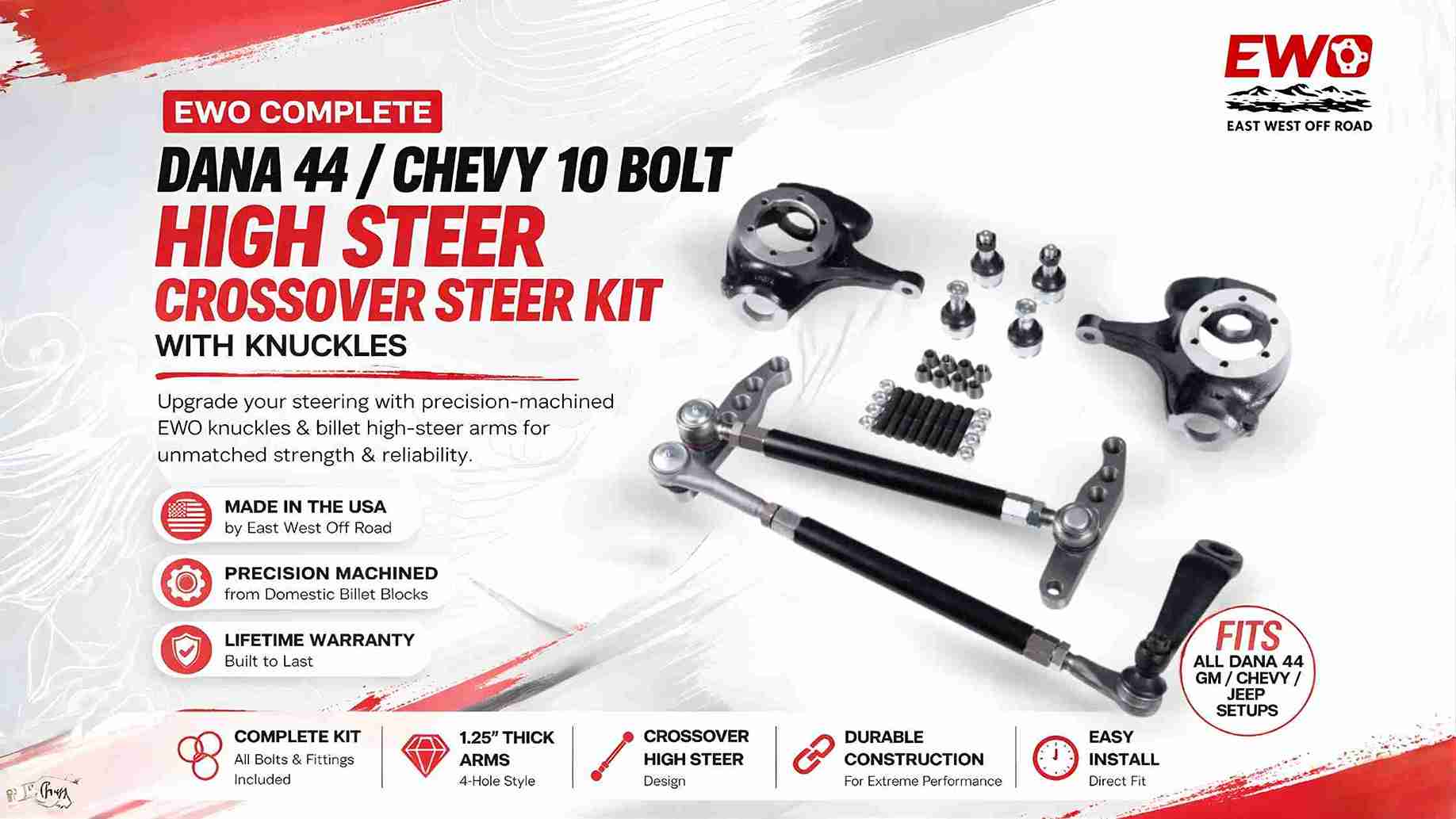
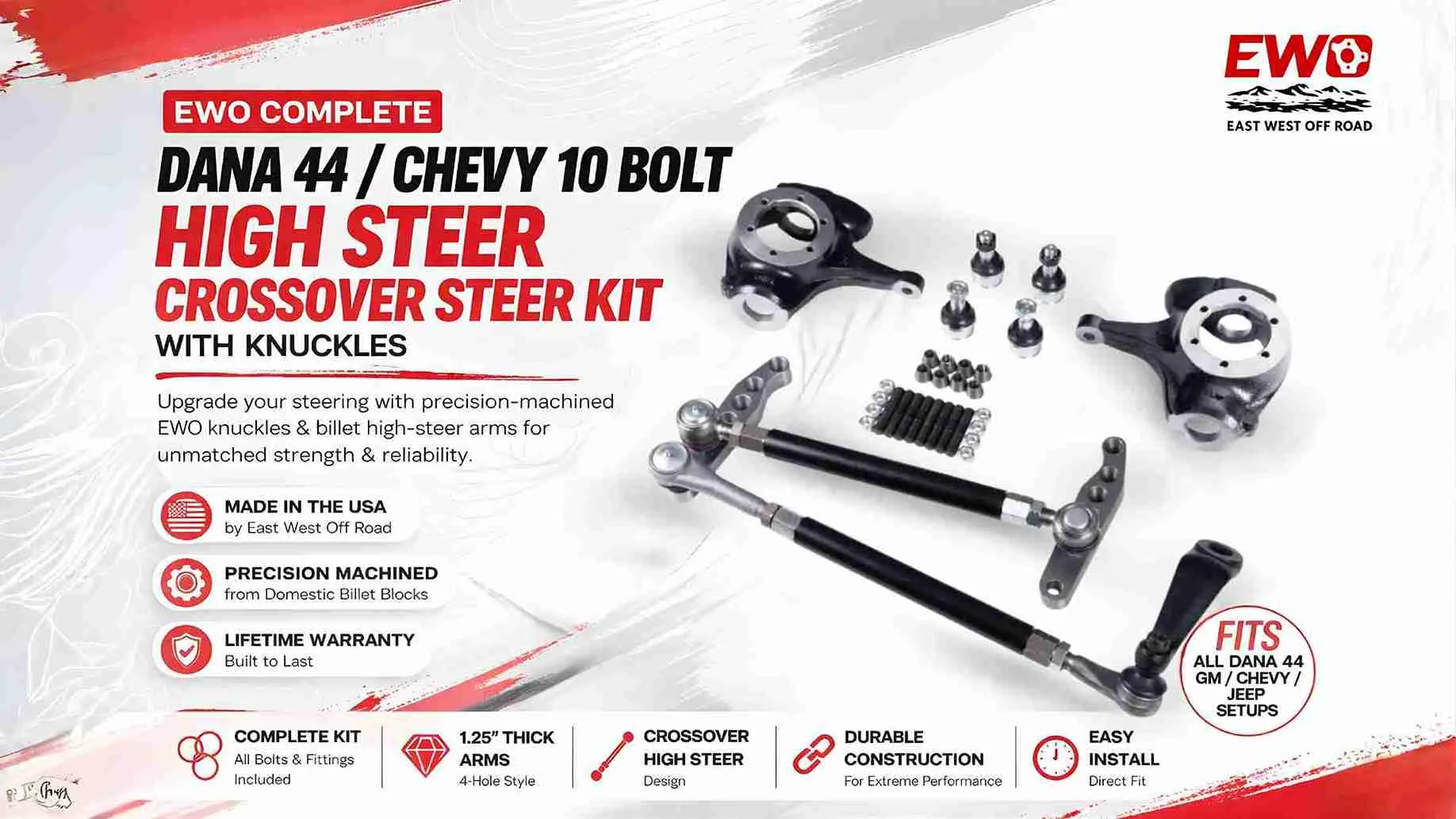
How to Evaluate an HD Crossover Steering Kit An HD crossover steering kit should be judged as a load path, not by the largest-looking tube or thickest advertised part. Steering force travels from the box and pitman arm through the drag link, steering arms, knuckles, tie rod, ball joints, and mounting hardware. Any mismatched taper, loose interface, poor weld, binding joint, or bad angle can undermine the system. For a rock crawler, trail rig, overlanding build, mud truck, or lifted 4x4, “heavy duty” should mean coordinated components, credible manufacturing details, suitable geometry, and a professional installation plan. Start With the Intended Use A rock crawler encounters slow-speed tire resistance and direct obstacle contact. A mud rig adds contamination and rapid steering corrections. An overlanding truck may prioritize long-distance inspection and serviceability, while a dual-purpose trail vehicle also needs predictable road behavior. Describe how the vehicle is actually used: ●Tire size and wheel package ●Suspension design and travel ●Typical terrain ●Road mileage ●Recovery and payload configuration ●Existing axle and steering parts ●Known steering symptoms These details help determine clearance, joint-angle, maintenance, and fabrication priorities. They do not create a simple load-rating formula, and unsupported strength percentages should be avoided. Evaluate the Entire Component Chain A complete heavy-duty package should identify the major parts rather than using generic terms. The EWO system includes: ●Driver- and passenger-side flat top knuckles ●Driver- and passenger-side 1.25-inch billet high steer arms ●Upper and lower Dana 44 ball joints ●ES2026R and ES2027L drag-link ends ●ES2234L and ES2234R tie-rod ends ●54-inch and 43-inch DOM tubing ●7/8-18 weld bungs or tube adapters ●Left- and right-hand jam nuts ●High-strength Dana 44 studs, conical washers, and lock nuts ●A 3-inch dropped pitman arm ●Installation and mounting hardware Component coverage reduces the need to combine unidentified parts, but every item still needs to match the vehicle and its intended position. Look for Specific Manufacturing Information “Premium” and “extreme duty” are difficult to evaluate without details. Confirmed information is more useful. EWO’s arms are 1.25 inches thick, manufactured from USA domestic billet blocks, and precision-machined in-house. A lifetime warranty applies to the steering arms. The heavy-duty EWO crossover steering system is built for 7/8-inch Chevy 3/4-ton-style ends. Listing the ES part numbers, thread format, and supplied hardware helps a buyer and installer discuss real interfaces instead of vague claims. Manufacturing quality cannot compensate for an incorrect application. An accurately made arm still needs the right knuckle pattern, studs, taper, wheel clearance, and link angle. Geometry and Clearance Define Real-World Suitability Higher linkage is designed to improve clearance around rocks, but moving components upward can introduce wheel, spring, or chassis interference. Crossover geometry may help reduce bump steer when correctly configured, but it cannot guarantee a specific driving result. During mockup, inspect: ●Drag-link angle and full joint travel ●Tie-rod clearance to differential and springs ●Steering-end clearance to wheels and tires ●Pitman-arm and drag-link clearance to the frame ●Arm clearance around brakes and wheel spokes ●Link contact through articulation ●Adjustment range and thread engagement Full travel matters more than a single ride-height photograph. A hard trail can place the axle at combined steering and articulation positions that expose hidden contact. The USA-made Dana 44 arm evaluation guide covers the arm interface in greater depth. Serviceability Belongs in the Heavy-Duty Test Off-road components need inspection and eventual service. Ends should be identifiable, jam nuts accessible, and adjustment possible without disassembling unrelated parts. Replacement planning is easier when part numbers and thread directions are known. The steering system should also allow practical inspection of: ●Arm mounting hardware ●Steering-end play and boots ●Tube welds and straightness ●Ball-joint condition ●Pitman-arm connection ●Steering-box mount and frame ●Contact marks after trail use An arm warranty is valuable, but preventive inspection protects the whole vehicle. Review current written warranty terms rather than assuming coverage beyond the steering arms. Serviceability also affects trail recovery. Clearly documented end locations, thread directions, and adjustment references make it easier to diagnose a change after an impact. Keep a build record with part numbers, alignment results, fabrication details, and inspection dates. That record does not replace physical inspection, but it gives the owner and technician a reliable baseline when steering feel or component position changes. Fitment and Installation Considerations The product is intended for applicable GM, Chevy, and Jeep Dana 44/Chevy 10 Bolt configurations. Promotional references include Dana 44, K10, K20, and K5 Blazer applications from 1973–1991. Identify the actual axle, especially on modified vehicles. This crossover configuration requires a 2WD steering box. Installation may still involve tube measurement and cutting, bung installation, professional welding, taper verification or reaming where confirmed, component fitting, clearance correction, alignment, and final safety inspection. Use a qualified fabricator who will mock up before welding. Require a check at both steering locks and through usable suspension travel. After installation, establish a maintenance and fastener-inspection schedule appropriate to the vehicle. For a branded product inventory, see the East West Off Road steering kit component guide. Frequently Asked Questions What makes a crossover steering kit heavy duty? No single feature earns that description. Look for suitable material and machining, robust but properly designed arms, identified steering ends, quality linkage material, matched knuckles, correct mounting hardware, appropriate ball joints, and a layout that avoids binding. Installation quality, welding, geometry, and maintenance are equally important. Avoid relying on unsupported load ratings or broad superlatives. Is DOM tubing automatically stronger than every factory link? That claim cannot be made without exact material, dimensions, construction, and comparison data. DOM tubing is commonly selected for fabricated steering linkage because it offers a consistent tube form suitable for properly designed assemblies. In this product, the exact outside diameter, inside diameter, and wall thickness are not supplied here, so they should not be invented or used for unsupported comparisons. Are larger steering ends always better? Not automatically. Ends need suitable capacity, correct tapers, proper articulation, adequate thread engagement, and clearance around wheels and suspension. This system is built for 7/8-inch Chevy 3/4-ton-style ends, with specific ES part numbers. A physically larger joint that does not match the arm or pitman arm is not an upgrade. How often should trail-rig steering be inspected? Inspection frequency depends on use, impacts, mileage, environment, and manufacturer guidance. Check the steering before demanding trips and after significant contact or unusual steering behavior. Look at ends, boots, jam nuts, tubes, welds, arm hardware, knuckles, ball joints, pitman arm, box mounting, and frame. A qualified professional should assess anything questionable before further use. Can a heavy-duty kit prevent all trail damage? No. Higher placement and robust components may improve clearance and durability, but rocks, collisions, binding, loose hardware, or extreme loads can still damage steering. Good driving lines, skid and clearance planning, regular inspection, and prompt repair remain necessary. No steering package should be marketed as invulnerable or maintenance-free. Inspect after significant contact. Choose Verified Details Over Vague Labels The strongest buying case comes from known components, controlled manufacturing, compatible interfaces, thoughtful geometry, and a realistic installation plan. Compare what is included and how it fits your verified axle rather than selecting by the “HD” label alone. Builders seeking a coordinated package can evaluate the EWO heavy-duty crossover steering kit with their fabricator.
You may like
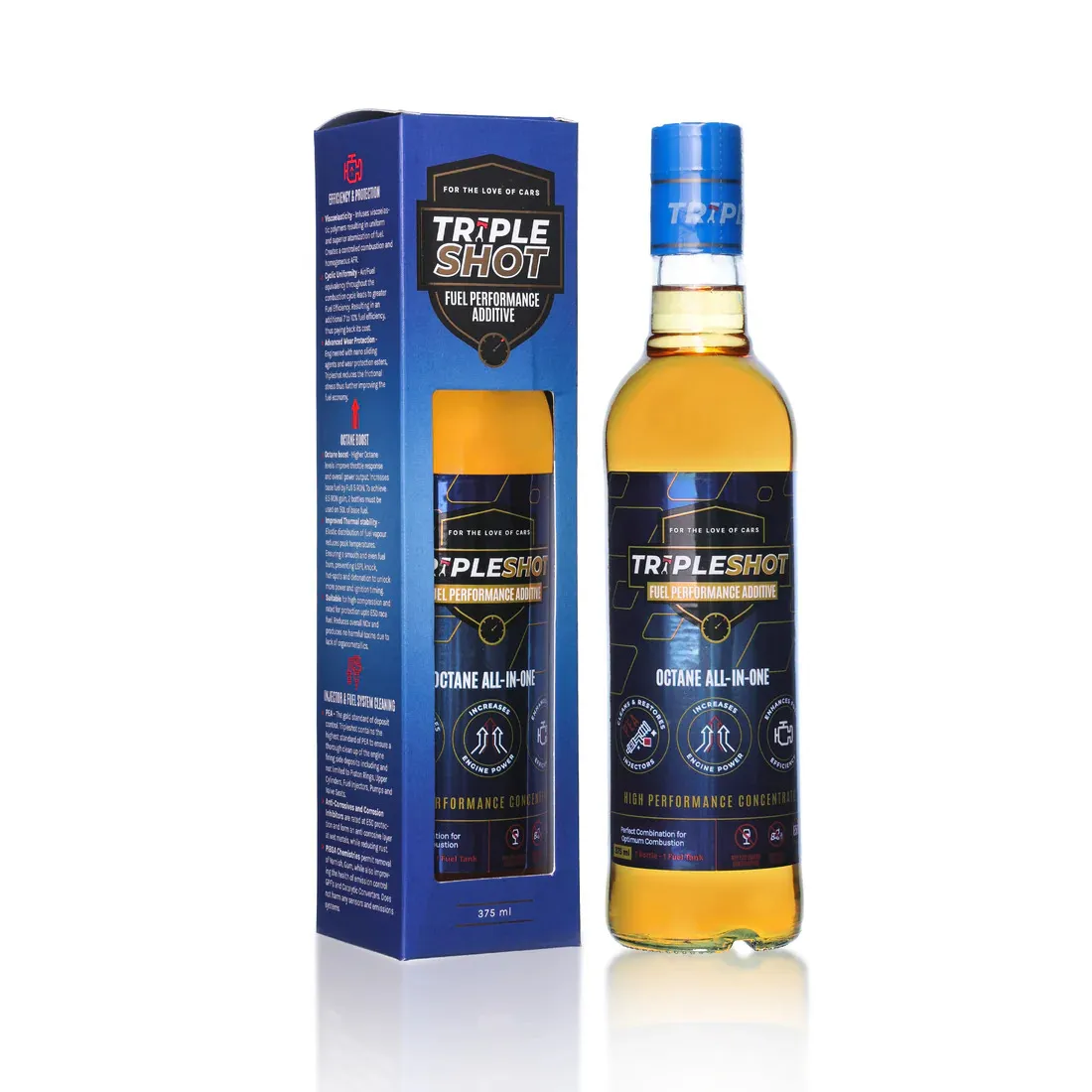
Shop Tripleshot Petrol Additive For Car - Octane Booster or Injector Cleaner
Indian driving conditions, ethanol…
5 Signs Your Power Steering Rack is Failing
How to Evaluate an HD Crossover Steering Kit
An HD crossover steering kit should be judged as a load path, not by…