

 Re-mark
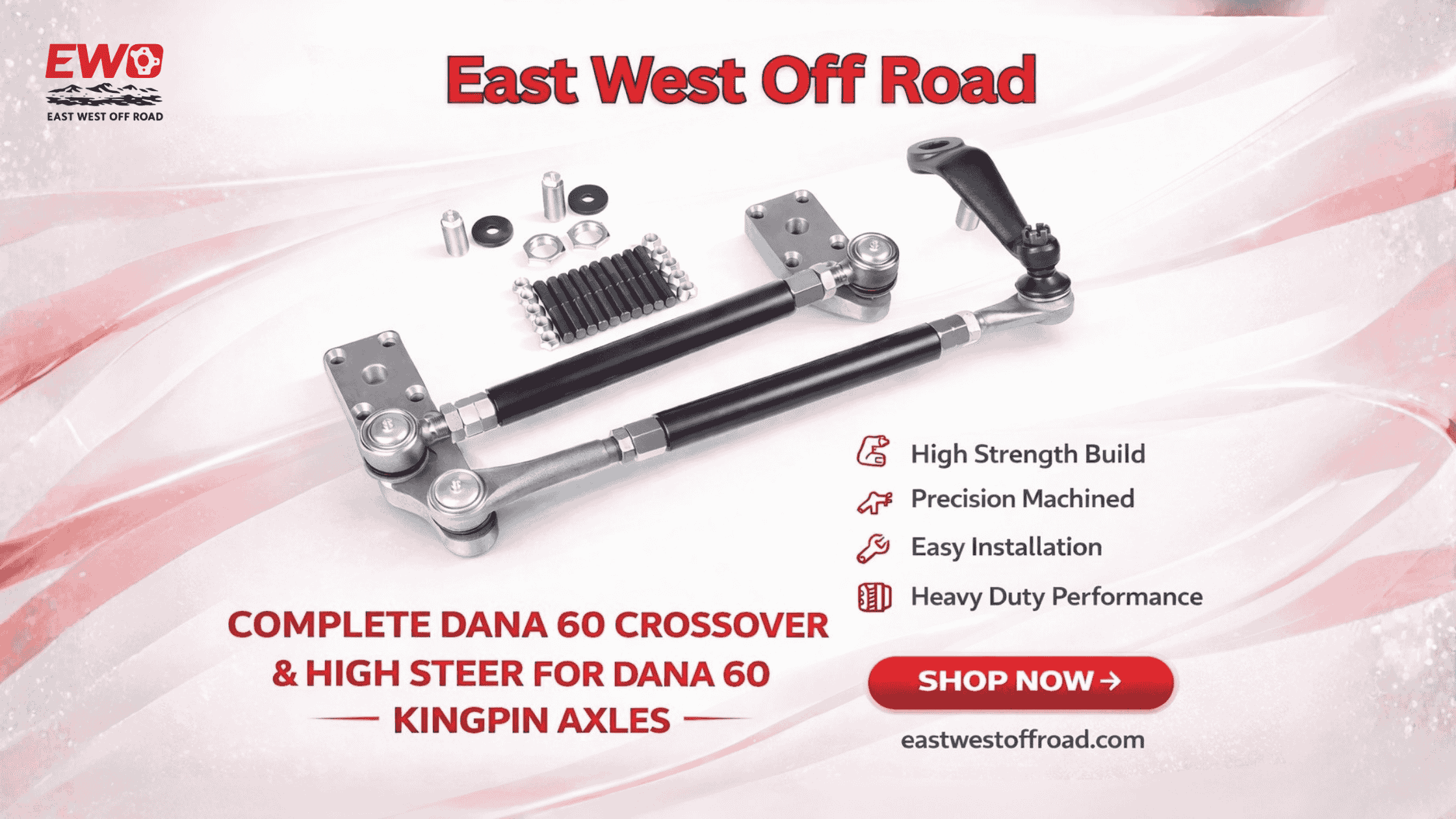
Planning a Crossover High Steer Build with Dana 60 Kingpin Parts Selecting Dana 60 Kingpin Parts for a modified 4x4 requires careful attention to steering geometry, axle configuration, knuckle pattern, suspension travel, and fabrication quality. The East West Off Road Complete Dana 60 Crossover and High Steer Kit provides major components for fabricating crossover and high steer linkage on compatible Kingpin Dana 60 axles. The package includes billet arms and raw DOM tubing, but it is not presented as a universal bolt-on solution. The tubing must be measured and fabricated for the vehicle, and the optional pitman arm must be selected separately when required. Because steering directly affects vehicle control, experienced professional installation is strongly recommended. Understanding Dana 60 Kingpin High Steer and Crossover Steering Crossover steering changes the route used to transfer input from the steering box to the axle. Rather than relying on a factory-style push-pull arrangement, the drag link typically crosses toward the opposite-side steering arm. This can create a more direct layout for a modified front axle. High steer arms relocate steering connections upward on compatible flat-top Kingpin knuckles. This can improve linkage placement and working angles on lifted vehicles. Final geometry still depends on the steering box, pitman arm, axle position, tie rod location, and suspension design. Why Factory Steering Can Become Limiting A suspension lift increases the vertical distance between the steering box and axle, often making the drag link steeper. Tie rod placement may also conflict with springs, shocks, differential covers, or suspension links. As the axle moves through compression and droop, poorly coordinated angles can feed movement into the steering wheel, contributing to bump steer, wander, or inconsistent response. A factory push-pull system is not automatically unsuitable, but it may become harder to package effectively after major lift, axle, and suspension changes. Properly planned crossover steering can improve the linkage path and may help reduce unwanted steering behavior. It cannot guarantee that bump steer or wander will disappear. Caster, track bar geometry, worn joints, steering-box movement, tires, alignment, and other factors also influence vehicle handling.
You may like

PPT - Denzel Car Rentals: Trusted Car Rental Services in Niue PowerPoint Presentation - ID:14860442
car rental services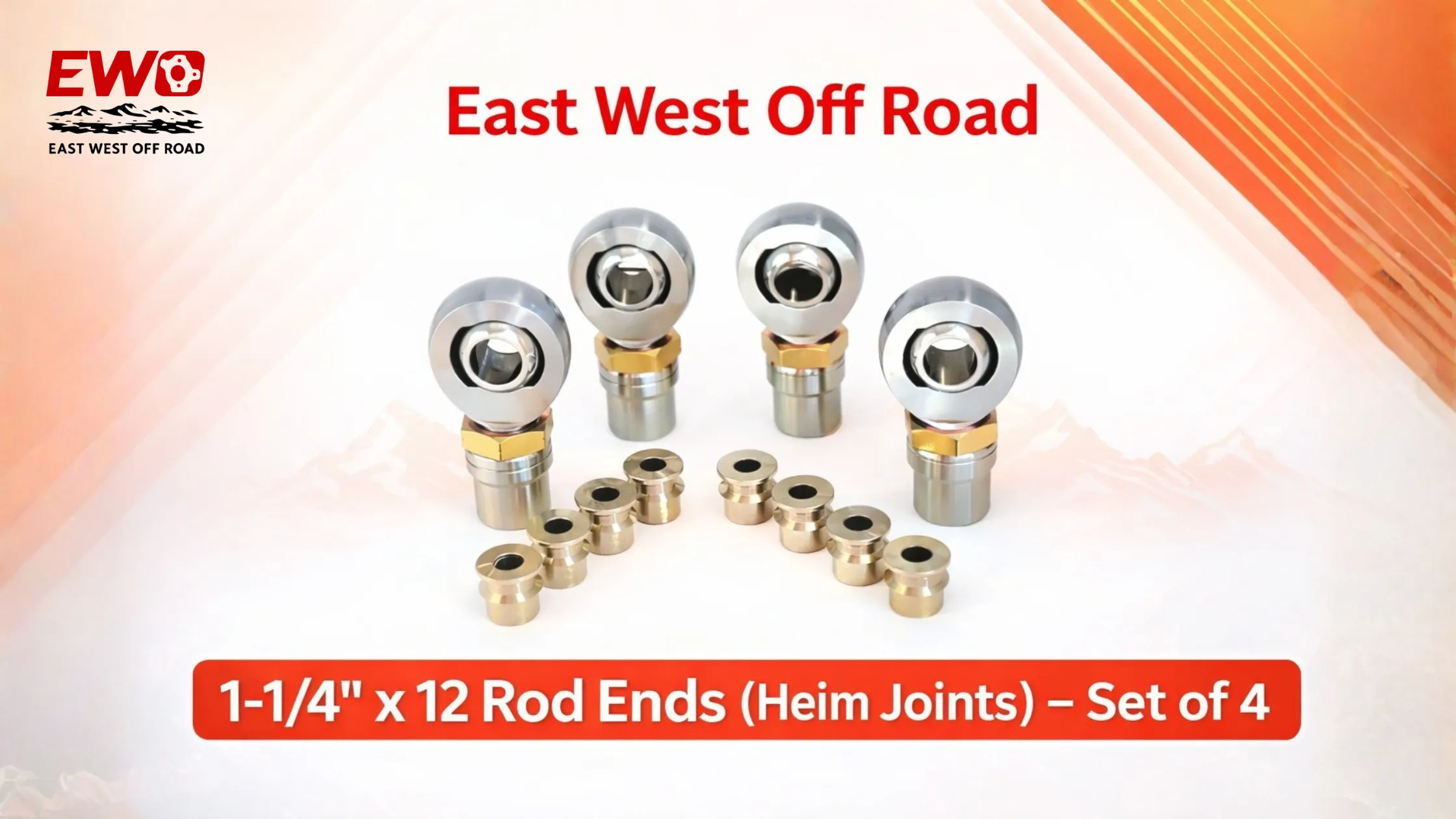
Upgrade your Off-Road Suspension Parts with premium chromoly heim joints, heavy-duty rod ends, tube adapters, and…
#HeimJointKit, #125RodEnds, #ChromolyHeimJoints, #ChromolyHeimJoints, #HeimJoints, #MisalignmentSpacers, #12512RodEndSet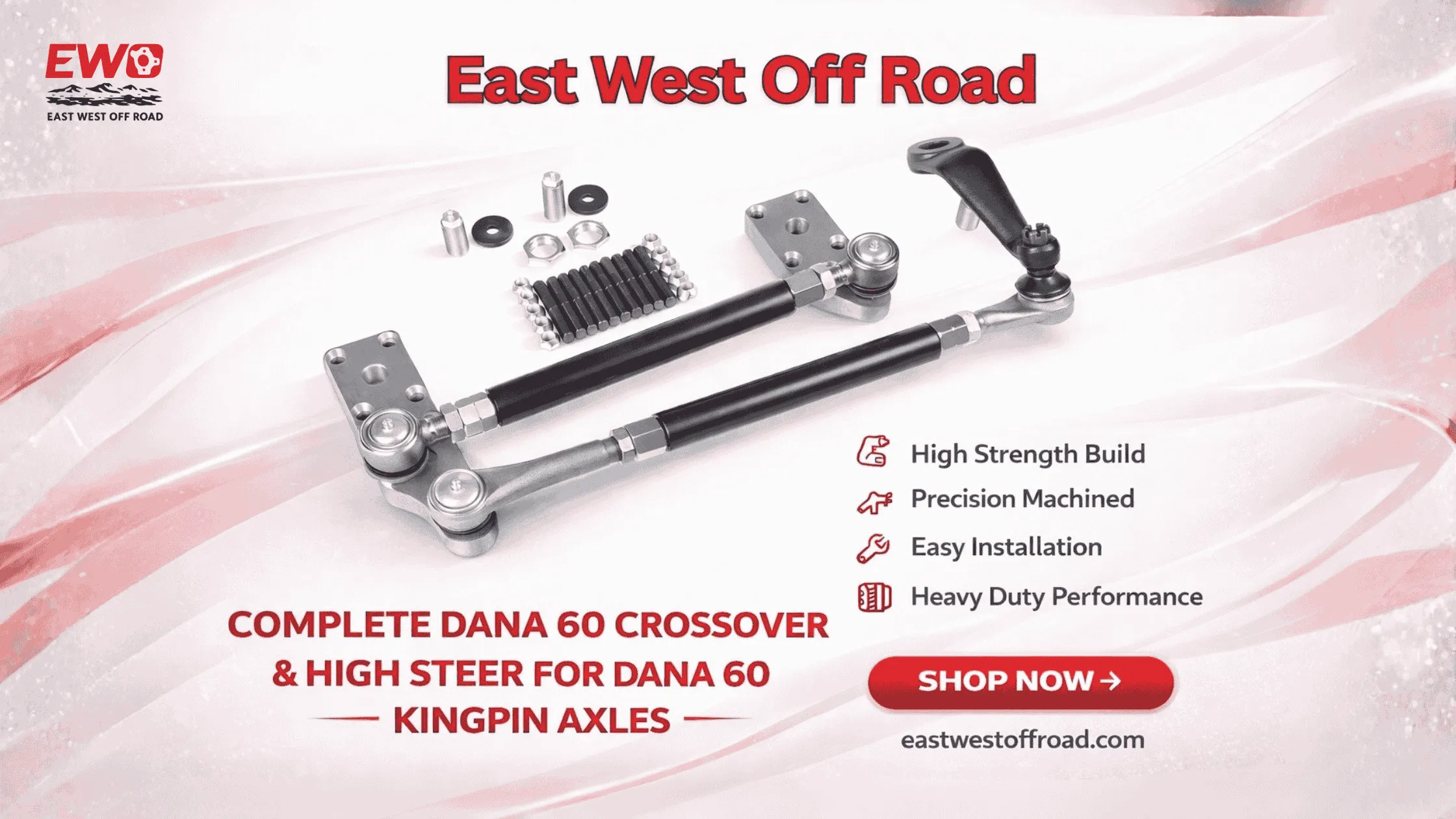
Planning a Crossover High Steer Build with Dana 60 Kingpin Parts
Selecting Dana 60 Kingpin Parts for a modified 4x4…