

 Re-mark
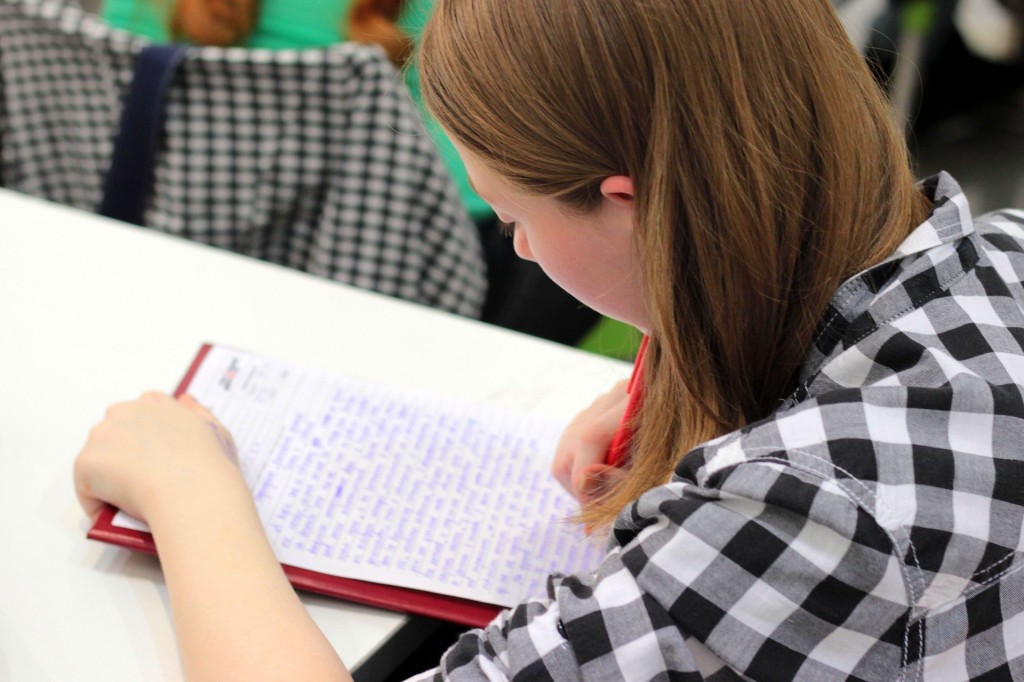
People are now considering international schools as the academic institution of choice. And as parents get to discover more schools, it can become quite overwhelming and difficult for them to choose which international school in the Philippines would be the best for their children. But in selecting the best school for their child, they must be aware and informed not only with the school's curriculum, its academic programs, and its safety protocols, but with the school's philosophy and educational approach as well — as to how students are taught and how they learn and think. Some schools are traditional with their approach to education while some are progressive. Given that every school's primary objective is student learning, how they are taught is where it all starts to differ. With the traditional approach, the teacher is the central figure of the learning experience, and the students are expected to learn as soon as the information if given to them. In the progressive approach on the other hand, there is no structured curriculum, tests, grades and homeworks, rather students learn mostly through experiences, collaborations, and through play. This approach considers that learning is something that students themselves must experience through the guidance of their teachers and the environment. Basically, the main difference between the two lies in where student learning is centered. Traditional schools focus on the teacher and what they teach while progressive schools focus on the students and how they can learn.
You may like

Hire freelance scientists and research scientists for hire from a global pool of 20,000+ experts. Post your job free…
Hire freelance research scientists, freelance research scientists

The Ultimate 2026 Training Management Software Checklist: Cut Through the Hype
This buyer's guide explains how to…