

 Re-mark
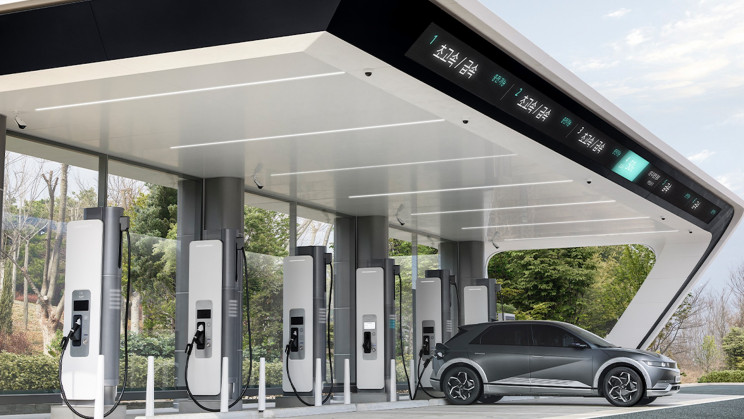
The surging popularity of electric vehicles (EVs) has sparked an important discussion about the best way to charge their batteries. Two main options have emerged – charging the battery at stations or swapping out a depleted battery for a fully charged one. Both battery charging and battery swapping have their own pros and cons. In this article, we’ll explore how each recharging method works and the benefits and limitations of each. Looking at the ins and outs of both can help determine which option may be better in different situations. We will outline these EV battery recharging methods in a clear, everyday way so EV enthusiasts can make informed decisions. A Brief History of EV Refueling Methods Before looking at battery swapping and charging, let’s look at the backstory of how we got to the EV refueling options we have today. Electric cars have actually been around since the late 1800s, but they only recently became practical for everyday use. The early EVs from over a century ago had minimal range. Refueling them was simple – you just swapped the drained lead-acid batteries for fresh ones. Then in the 1990s, concerns about air pollution and oil dependence led to renewed interest in electric vehicles. GM’s EV1 showed lithium-ion batteries could provide a decent range. But recharging took many hours using an early, slow Level 1 charger. It became clear that faster refueling solutions would be needed for EVs to truly compete with gas cars. This challenge paved the way for new recharging approaches to be explored and developed. The Israeli startup Better Place, founded in 2007, created one of the earliest viable battery-swapping platforms. The system involved driving EVs fitted with standardized battery modules to swapping stations, where robotics could remove a drained pack and replace it with a fully charged unit in just a few minutes. During this period, plug-in charging technologies also advanced significantly. The Nissan Leaf, launched in late 2010, gave rise to an era of modern EVs with usable range via onboard Level 2 charging. Tesla arrived at the scene in 2012 with its premium Model S sedan and a novel supercharging network that could replenish over 170 miles of range in only 30 minutes. Today, both battery swapping and charging ecosystems continue to evolve as automakers and tech startups develop new solutions. Nio has become a leader in battery swapping for passenger vehicles in China, while infrastructure giants like Tesla and Ionity are rolling out more high-powered charging plugs across major markets. Visit here: https://evchargerprime.com/the-role-of-battery-swapping-vs-ev-charging/
You may like

Marblism provides AI virtual assistants, AI automation and business automation solutions for modern companies across…

Johnte Black | Virtual Magician & Zoom Magician for Corporate Events

The global BOPET market is witnessing an unusual shift as falling crude oil prices are reducing production costs across…