

 Re-mark
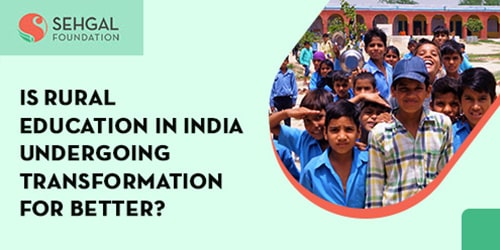
Is Rural Education In India Undergoing Transformation For Better? While there has been considerable progress in terms of statistics in the coverage and access of primary" target="_blank" rel="noopener noreferrer">https://www.smsfoundation.org/transform-lives/">primary education across the “countryside,” the ground reality is different. The reasons are discussed in wide forums, and there is no dispute that even primary education in these areas leaves a lot to be desired. The reasons are a mix of demographic, social, and economic factors. The pandemic has only added to the glaring disparities in the Indian education system. At the risk of being repetitive, some of these are outlined below. Infrastructure. With dismal investment and maintenance of physical and basic infrastructure, primary educational institutions in rural areas are bereft of classrooms, toilets, playgrounds, etc. When the basics are missing, the children also go missing, enrollment is low, and dropout rates high. Faculty. Underqualified teachers, absenteeism, and lack of timely recruitment of teachers lead to poor quality and a limiting reach of education. Economic Issues. With low income, education is often a low-priority area to start with. Employment opportunities are also limited and add to the perception of the futility of education. Social Issues. Some societies do not permit girls to go to school as part of the social culture, lack of transportation, or missing toilets. While the solution is to build more schools, in reality, rural schools are instead being shut down, and there is little effort to promote girls’ education. Technology. With the shifting emphasis to digital “vidya,” schools and children in rural areas are devoid of the basics in terms of computers, internet access, and also the know-how to derive benefits from the intentions of the policymakers. No wonder that the Annual Status of Educational Report (ASER) points to a poor outcome in terms of quality as far as primary education is concerned. Rural" target="_blank" rel="noopener noreferrer">https://www.smsfoundation.org/outreach-for-development/">Rural education in India has placed emphasis on enrolments, reducing dropout rates in school, and adequacy of physical infrastructure and tends to ignore the other soft aspects of child learning and skill development. Rural India is in a learning crisis as its education system is failing to produce children ready for challenges of the twenty-first century. A radical change is the order of the day—one that synergizes the education systems design and keeps away external pressures that rely on mere enrollment statistics. S" target="_blank" rel="noopener noreferrer">https://www.smsfoundation.org/">S M Sehgal Foundation (Sehgal Foundation) has been working since 1999 to improve the quality of life of the rural communities in India. As a rural development NGO in India, established as a public, charitable trust, S M Sehgal Foundation has been actively working in creating programs to address the most pressing needs of the rural areas of the country. S M Sehgal Foundation’s grassroots programs and development interventions have already reached more than three million people across the country. Their underlying mantra is to achieve sustainable rural development in India, thereby empowering individuals and communities in need to escalate and enhance their own growth.
You may like

Top 5 Universities for MSc distance course in India - Premium Blogging Platform


Business Ideas and Business Thought News Portal | Thebusinessthought.com
start an online business