

 Re-mark
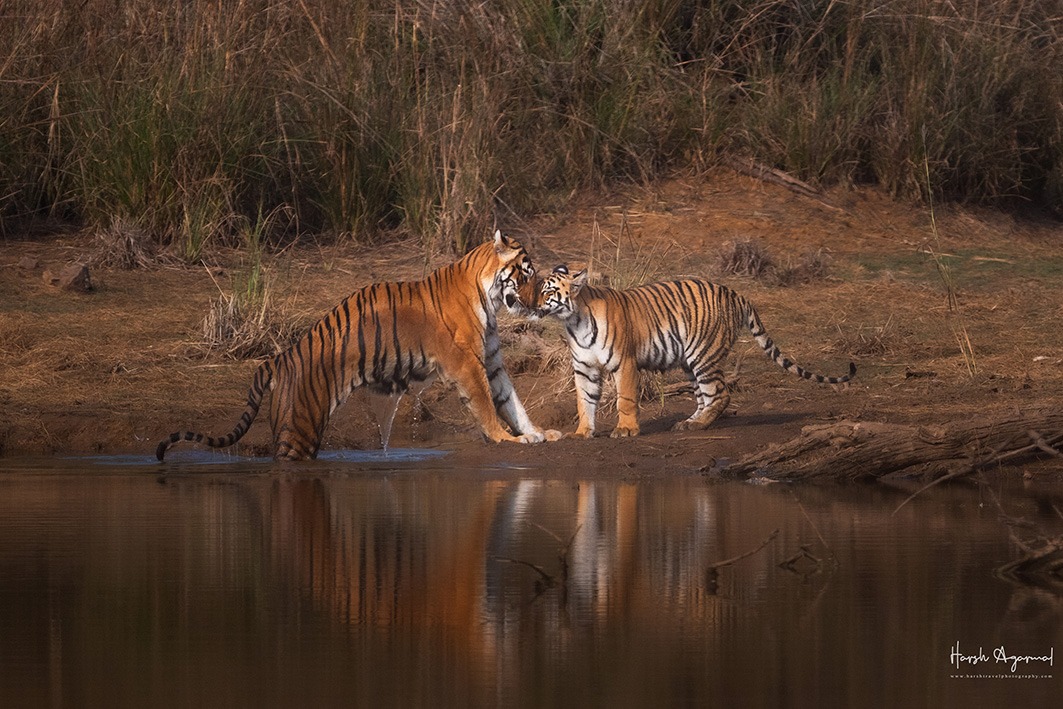
When travelers speak of a "Big Five" safari, the mind often drifts to the savannas of Africa. However, deep within the varied landscapes of the Indian subcontinent lies an expedition that is arguably more diverse, more elusive, and more rewarding. To seek India’s Big Five—the Royal Bengal Tiger, the One-Horned Rhinoceros, the Asiatic Elephant, the Leopard, and the Indian Gaur—is to embark on a 17-day pilgrimage through the very soul of the wild. This isn’t just a tour; it’s a "Living Portrait" of a land that inspired Kipling and bewitched explorers for centuries. From the prehistoric wetlands of the northeast to the rugged hills of the north and the deep bamboo thickets of Central India, here is how the magic of the Big Five unfolds. The Prehistoric Wetlands: Kaziranga The journey begins in the tall elephant grass of Kaziranga National Park in Assam. The unique essence of Kaziranga is its "Time-Travel" quality. As the morning mist lifts off the Brahmaputra floodplains, you find yourself staring at the Great One-Horned Rhinoceros. With their armor-plated skin and stoic presence, these giants look like they stepped right out of the Pleistocene epoch. Watching them graze in the shimmering wetlands is a lesson in raw, prehistoric beauty. The Shadow in the Shivaliks: Rajaji and Jim Corbett From the swamps, the expedition heads to the rugged foothills of the Himalayas. Rajaji National Park: This is the realm of the Leopard. Unlike the bold tiger, the leopard is a ghost. Tracking them through the dry riverbeds and hilly terrain requires a "Patient Lens." Here, the unique idea is the "Art of the Invisible"—learning to spot a rosette-covered coat camouflaged perfectly against the dappled forest light. Jim Corbett: In India’s oldest reserve, the scale changes. Here, you track the Asiatic Elephant. Witnessing a herd crossing the Ramganga River—mothers guiding their calves with gentle trunks—is one of the most emotional sights in nature. Corbett is also where your first dance with the Royal Bengal Tiger begins, often along scenic riverbanks that offer a cinematic backdrop unlike any other. The Land of the Giants: Tadoba and Kanha The final act of the expedition takes place in the high-voltage jungles of Central India. Tadoba National Park: Known as the "Land of Tigers," Tadoba offers an intimate look at the predator’s daily life. Because of its dry teak forests and vital waterholes, sightings here are visceral. You aren't just seeing a tiger; you are witnessing a "Regal Stalk"—a masterclass in power and stealth. Kanha National Park: The "Jungle Book" comes to life in Kanha’s vast, misty meadows. This is the best place to complete your Big Five collection with the Indian Gaur. These massive wild cattle, with their muscular builds and white "socks," stand like dark statues against the golden grass at dusk. The Unique Idea: The "Biographic" Approach What sets this 17-day expedition apart is the Mentorship of the Lens. Led by experts like Harsh Agarwal, the tour moves away from "check-box" tourism and into "Wildlife Biography." You don't just snap a photo of a rhino and move on; you learn to anticipate its movements, understand its behavior, and frame it within its natural story. You learn the "Language of the Woods"—the alarm calls of the Chital, the smell of the forest after rain, and the specific silence that precedes a predator’s appearance. This is a journey for those who want to feel the texture of the wild, from the humid air of Assam to the dry heat of the Central Indian plains. Why This Expedition Stays With You By the time you return to Delhi, you haven't just seen five animals; you have witnessed the incredible Biodiversity of India. You have moved from wetlands to mountains and meadows, realizing that each of these "Big Five" is a guardian of its unique ecosystem. You leave with a memory card full of masterpieces and a soul full of the quiet, untamed magic that only the Indian wilderness can provide.
You may like

The July 2026 fuel price update offers valuable insights for UAE residents and businesses managing daily travel and…
UAE Fuel Prices
In Jeddah’s hospitality sector, internal transport plays a big role in daily operations. Many resorts now rely on 4…

Most Famous Cigars to Try in Costa Rica | Thepublishstory.com
luxury villa rental in Costa Rica