
 Re-mark
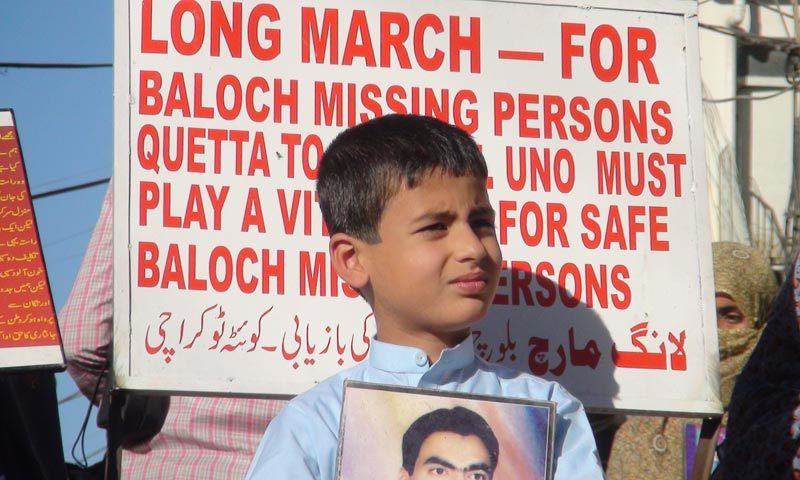
Balochistan A Story of Popular Upheaval Balochistan’s Gwadar region witnesses one of the largest ever protests recorded in the province. Having begun a month ago, the protests seem to a culmination of all the policies that have ended up in maladministration of the province. The concerns raised by the protests include access to clean water, illegal trawling, CPEC’s arbitrary policies and the fears of influx of outsiders into the region. As usual, the military is expected to diffuse the situation sooner or later; this does not take away attention from the past decades of misgovernance which resulted in the ongoing institutionalization of protests. In the backdrop of the seven-decade long insurgency, the presence of such grievances has also renewed focus on the legitimacy of Kalat’s accession to the dominion of Pakistan in 1948. This is not to question its legality on technical grounds, the reality remains that the coercion on the erstwhile ruler (who had a separate independent status distinct from other princely states) gave way to the continuation of similar tactics on the Baloch people at large. This short article looks into the Human Rights situation in the province, particularly the Enforced Disappearances and the presence of Death Squads, the main issues plaguing Balochistan. Enforced Disappearances Enforced disappearance and Extra Judicial killings in Balochistan have developed a sense of insecurity among the common Baloch people. This issue has been at the top of the list of all the problems since the law enforcement agencies have been suspected for this case, in order to regulate and overpower insurgency in the province. The exact statistics of these enforced disappeared people remains debatable due to a deliberate under reporting. It was only in 1994 that the Human Rights Commission of Pakistan first looked into the issue of missing persons. The cases of missing persons saw an upsurge in the country following the 9/11 attacks in the US. Further, missing persons increased significantly after the killing of Nawab Akbar Bugti in 2006. The establishment’s response to Baloch nationalists and militants was to set up more military cantonments and outposts throughout the province. In the Marri and Bugti areas, these operations resulted in thousands of Internal displacements as well as migration across the Afghan Border. The government did attempt minimal firefighting through a general amnesty but the situation remained the same. According to a State Department report, “the federal Commission of Inquiry on Enforced Disappearances in Balochistan claimed 164 cases remained pending from 483 cases reported between March 2011 and March 2020”. To know more: https://peaceforasia.org/balochistan-a-story-of-popular-upheaval/
You may like

Johnte Black | Virtual Magician & Zoom Magician for Corporate Events

Benefits of Foot Reflexology – Foot Guasha TherapyBest Acupuncture Treatment by Well Experienced Acupuncture Doctor in Chennai
Benefits of Foot Reflexology, Foot Guasha Therapy in Anna Nagar Chennai, relaxing wellness therapies, Natural Stress Relief, Foot Reflexology Anna Nagar, Foot Reflexology Chennai, foot reflexology near me