

 Re-mark

The temptation to build a business website using standard drag-and-drop templates or heavy page builders is understandable. On paper, it looks fast and inexpensive. However, as the digital landscape evolves in 2026, relying on these off-the-shelf templates creates hidden structural bottlenecks that actively throttle business growth, compromise data security, and hurt search engine visibility. The Performance Penalty of Template Bloat Template systems are designed to cater to everyone. To do that, they ship with massive, generic stylesheets, oversized JavaScript libraries, and unnecessary plugins that load on every single page view. Your users pay the price for this bloat. Modern users expect instant interactions. If a website takes longer than two seconds to load, bounce rates skyrocket by over 50%. Custom-engineered websites solve this by stripping out the noise. Developers write clean, lightweight HTML, CSS, and JavaScript tailored exactly to your business logic. The result is near-instant load speeds, higher retention, and fluid mobile responsiveness. Breaking Through the Feature Wall Every business has unique operational workflows. When you build on top of a rigid template framework, you inevitably hit the "feature wall." The moment you want to integrate a custom B2B billing portal, a dynamic booking pipeline, or a specialized database look-up, you find yourself limited by the template's architecture. Custom software development eliminates these artificial constraints. Instead of forcing your business processes to adjust to the limitations of a pre-made tool, the software is engineered around your exact rules. It scales naturally as your operational demands expand. Elevating Security and Search Visibility Templates are open targets. Because millions of sites share the exact same underlying codebase, hackers actively scan for common vulnerabilities in popular themes and public plugins. A single unpatched flaw can expose sensitive corporate client databases. Custom codebases drastically reduce this attack surface, providing an isolated, secure perimeter that keeps proprietary data safe. Furthermore, search engines prioritize performance and clean technical architectures. Legacy templates with messy nested elements and poor rendering pipelines are consistently outranked by custom-coded platforms built for optimal accessibility and speed. The Bottom Line: Don’t treat your primary digital gateway as a generic shortcut. Ditch the rigid templates and invest in clean, custom engineered web architecture built to scale your business operations securely.
You may like

Government jobs in India latest apply updates Sarkari Result 2026 recruitment portal sarkariresults.com.tc provides job…
sarkari result, sarkari results, Sarkari Results 2026, Sarkari Result 2026, sarkariresults.com.tc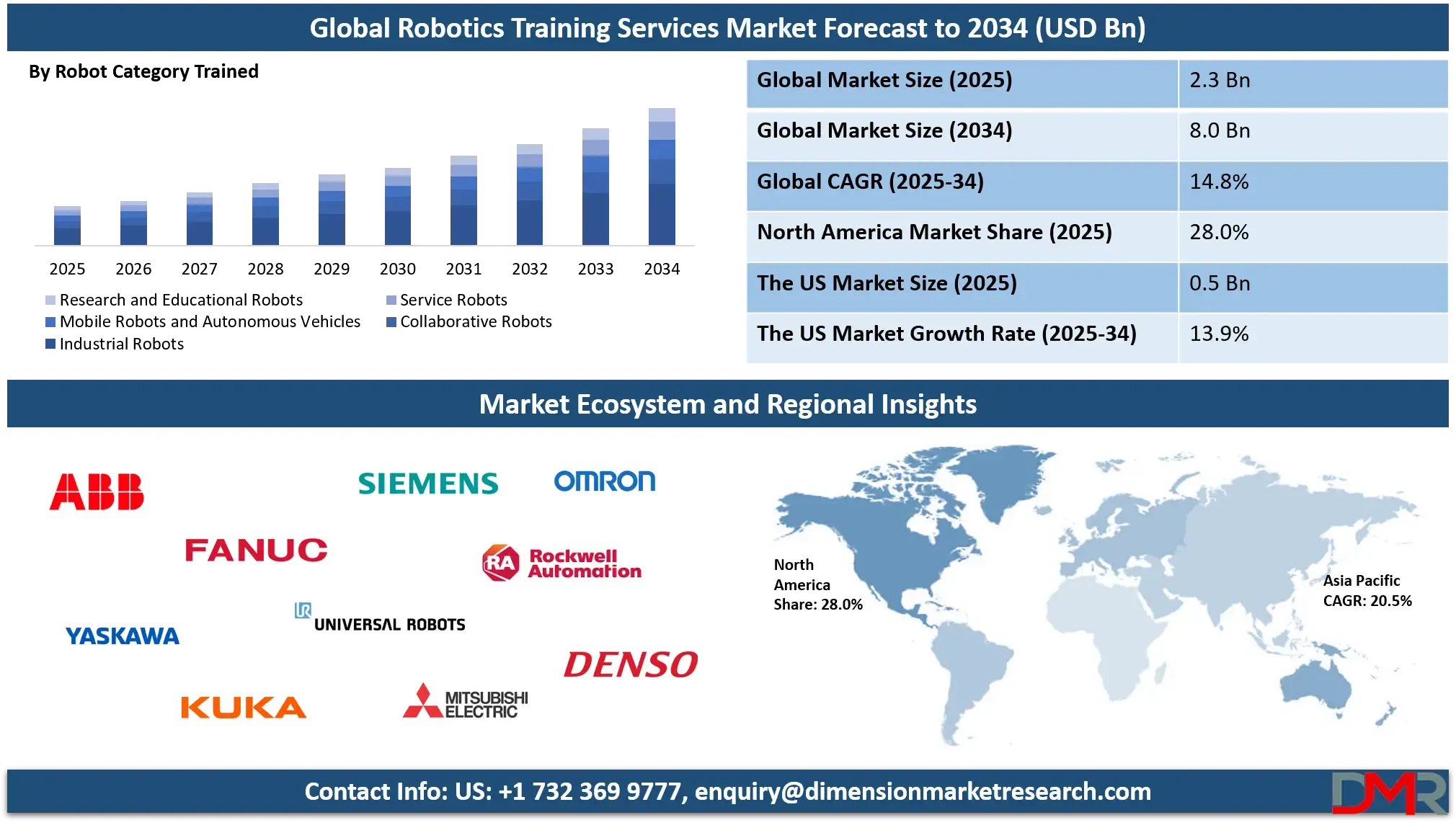
Robotics Training Services Market Size & Outlook 2025-2034

Latest job alerts and recruitment updates portal Sarkari Results 2026 information hub sarkariresults.com.tc delivers…
sarkariresults.com.tc, Sarkari Results 2026, Sarkari Result 2026, sarkari results, sarkari result