

 Re-mark
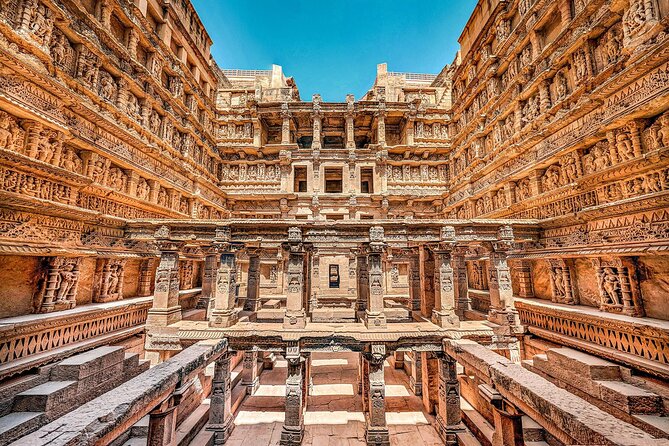
Rani Ki Vav is a UNESCO World Heritage Site inscribed in 2014 that UNESCO itself describes as ‘the most developed and ornate example’ of stepwell architecture in India. Built in the 11th century by Queen Udayamati of the Solanki dynasty as a memorial to her husband King Bhimdev I, it is 65 metres long, 20 metres wide, and 27 metres deep, with seven levels of descending galleries that together hold more than 500 principal sculptures and over 1,000 minor ones. It was designed UNESCO’s own description as ‘an inverted temple highlighting the sanctity of water.’
You may like

Harleen McLean provides professional biophilic design services across the UK, creating inspiring residential and…
biophilic design consultant, Biophilic Design Service uk

Handasa Inc offers professional structural engineering Anaheim services backed by technical expertise and personalized…