

 Re-mark
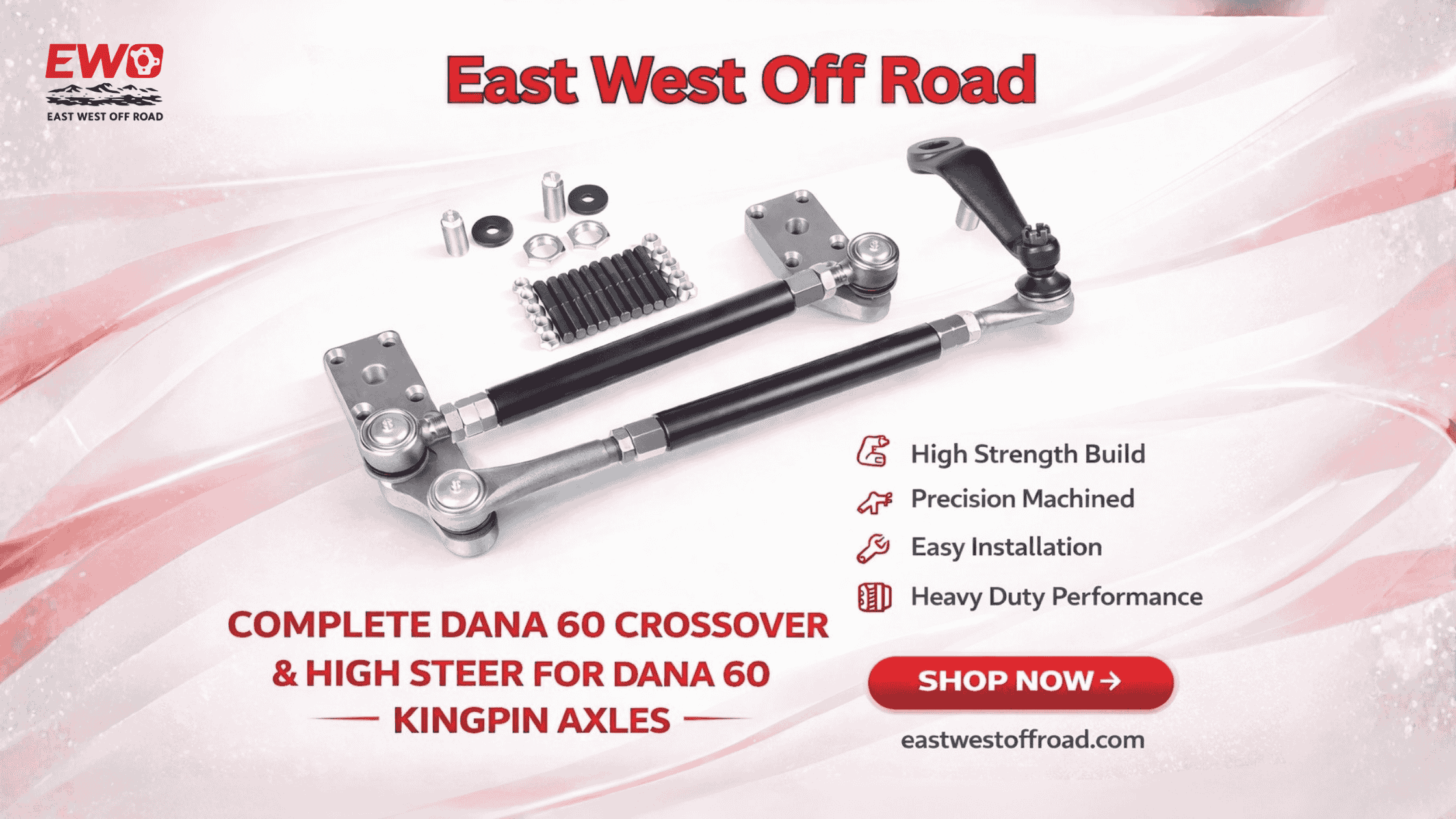
Dana 60 High Steer Arms 5 Stud: The Billet Knuckle Upgrade That Eliminates Failure The steering arm is the most mechanically critical component on a kingpin Dana 60 front axle. It is the bridge between the knuckle and the steering linkage, and every pound of force generated by the steering box or hydraulic ram passes through it. When a steering arm fails, the result is instantaneous and complete loss of steering control. Factory three-stud arms fail because they concentrate enormous loads onto too few fasteners. The permanent solution is a set of Dana 60 High Steer Arms 5 Stud machined from solid domestic billet steel. By spreading the clamping and steering forces across five high-strength fasteners instead of three, these arms eliminate the stud stretching and knuckle wallowing that send factory arms to the scrap bin. This guide dives deep into the engineering behind the five-stud pattern, why billet material matters, and how these arms integrate into a complete crossover steering system. The Engineering Case for Five Studs The difference between a three-stud and a five-stud arm is not incremental. It is the difference between a design that invites fatigue failure and one that operates with a comfortable safety margin. Load Distribution Across the Knuckle Face A steering arm mounted to a kingpin knuckle experiences two primary forces. The first is clamping force from the studs pulling the arm flat against the knuckle face. The second is the rotational steering load trying to twist the arm off the knuckle. With a three-stud pattern, each stud carries roughly 33 percent of the total load. When a truck on 40-inch tires wedges against a rock and the driver leans into the hydraulic assist, that per-stud load can spike well beyond the tensile strength of a single fastener. The failure mode is predictable and brutal. One stud stretches past its yield point, the arm lifts microscopically from the knuckle face, and the remaining two studs shear in rapid succession. The 5 hole pattern Dana 60 steering arms reduce the per-stud load to roughly 20 percent, a 40 percent reduction in stress on each individual fastener. This moves operating loads well within the safe range of the stud material, even under the spike loads generated by hydraulic assist systems pushing 2,000 PSI or more. The math is simple and the engineering is sound. More studs mean more total clamping force spread across a larger contact area.
You may like

Stay informed on recent traffic incidents with up-to-date tracking of fatal car crashes in the last 24 hours across Los…
Car Accident Attorney, car accident lawyers, Car Accident Attorney, Personal Injury Lawyers
Renting a car at Islamabad International Airport (ISB) gives you fast and flexible transport options right after you…
rent a car in islamabad,, rent a car islamabad,, islamabad airport rent a car,, rent a car in islamabad airport,, islamabad airport car rental,, rent a car islamabad airport,, car rental islamabad airport,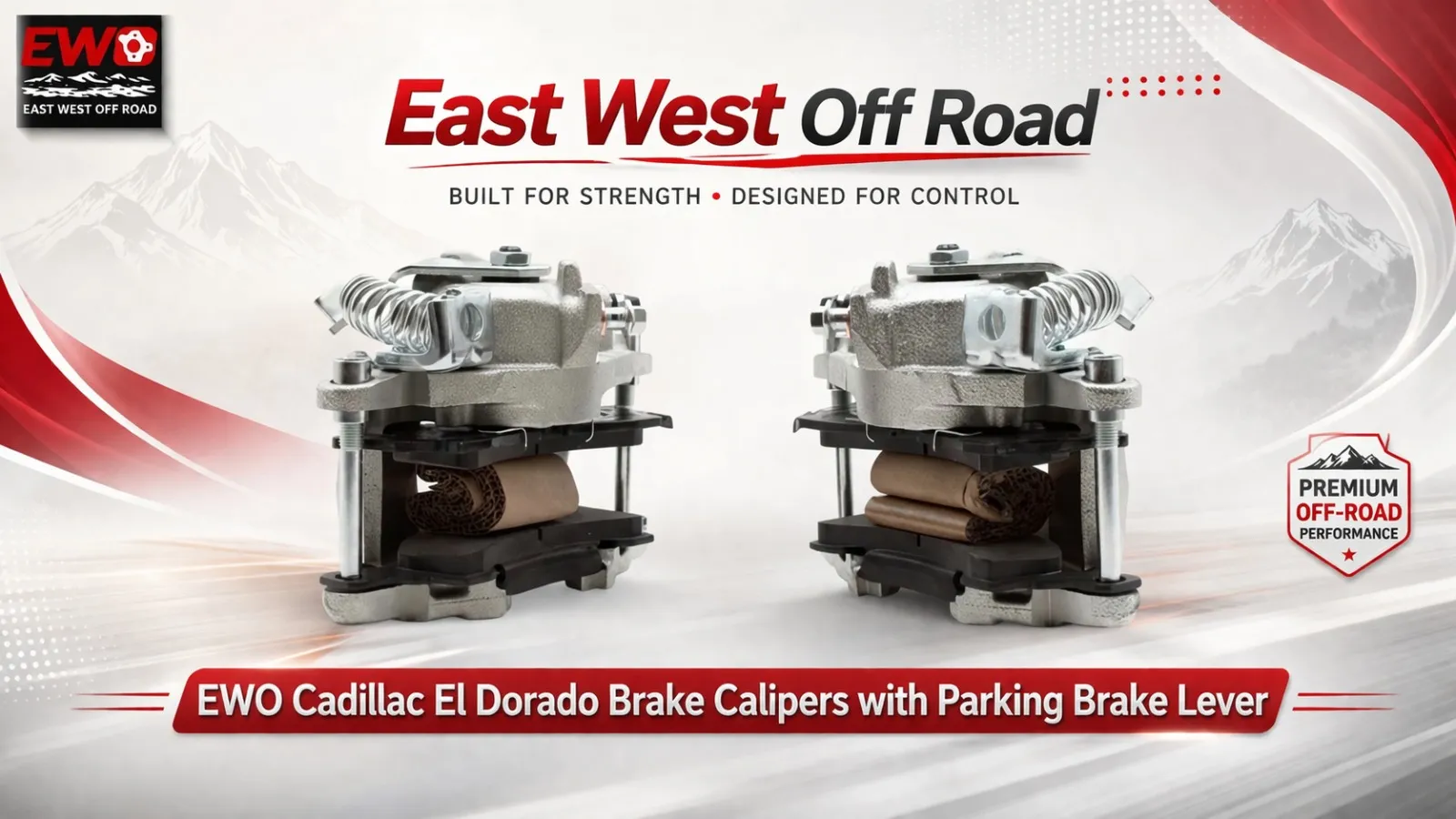
Upgrade your truck's axle with heavy-duty EWO Cadillac El Dorado brake calipers. Loaded, clear zinc-plated housings…
#CadillacElDoradoBrakeCalipers, #ParkingBrakeCaliper, #RearDiscBrakeConversion, #GMRearDiscBrakeCaliper, #ElDoradoParkingBrakeCaliper, #OffRoadBrakeCalipers, #GMK20BrakeCaliper