

 Re-mark
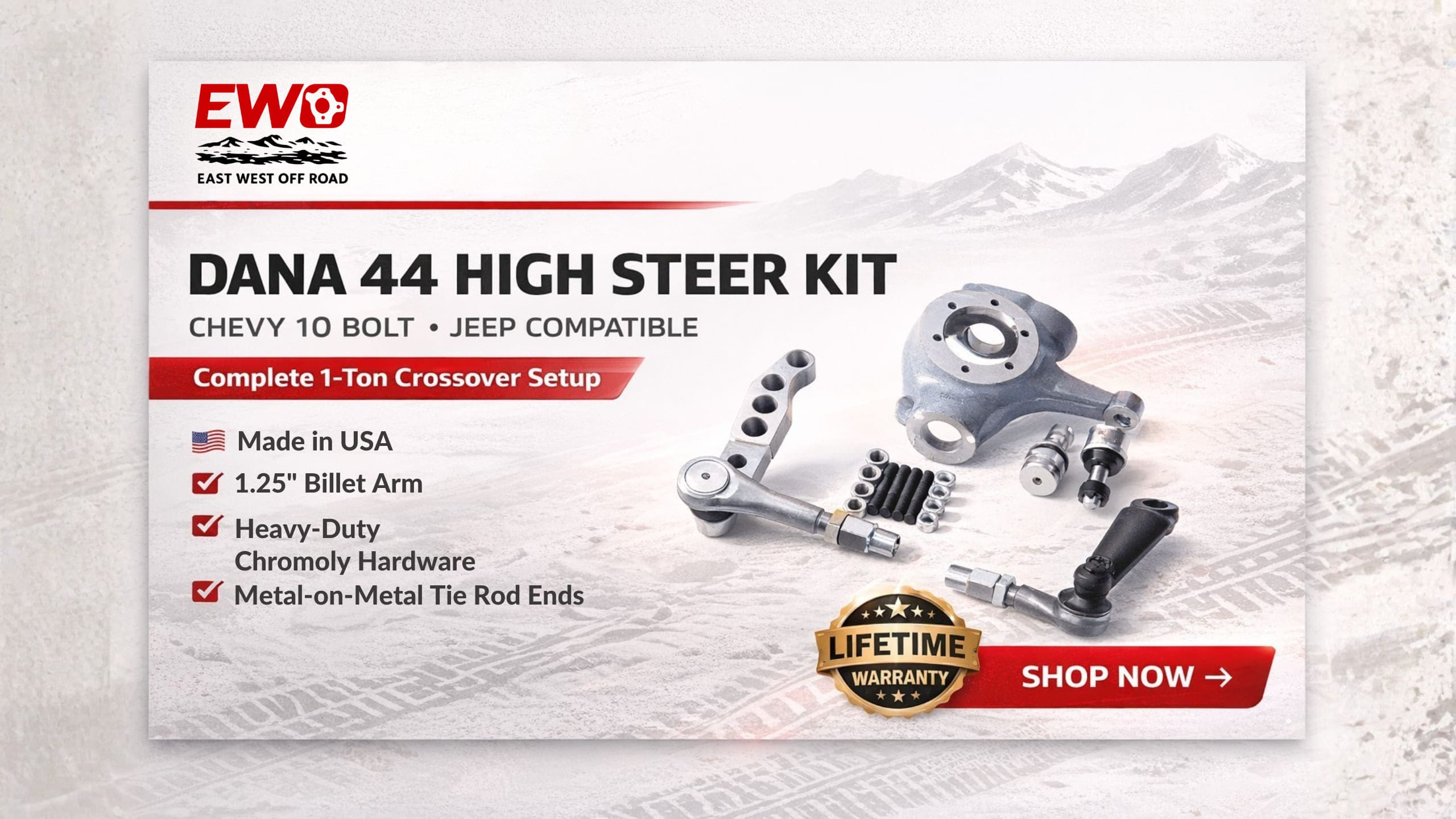
If you are running a lifted vintage square body GM truck or Blazer on big tires, you are likely all too familiar with the terrifying sensation of steering feedback over bumps. A 1 ton steering upgrade Chevy K5 build requires moving away from the highly flawed stock push-pull steering geometry. When you lift a classic K5 Blazer, Suburban, or K10/K20 truck, the severe drag link angle introduces massive geometry issues. The single most effective modification you can make to reclaim handling precision, maximize front axle articulation, and permanently fix bump steer lifted Chevy trucks is upgrading to a heavy-duty crossover and high-steer configuration. In this comprehensive technical guide, we break down why factory push-pull layouts fail, how a square body crossover steering kit completely transforms your driving dynamics, and what makes the East West Off Road (EWO) system the premium solution on the market. The Root Problem: Why Factory K5 Push-Pull Steering Fails Classic GM solid-axle vehicles from 1969 to 1991 relied on a push-pull steering mechanism. In this setup, the steering box pushes a short drag link forward and backward, which connects to a steering arm bolted to the driver-side steering knuckle. This design works passably at factory ride height, but it scales horribly when aftermarket suspension lifts are installed. The Geometry Nightmare of Lifted Trucks When you install a suspension lift, the vertical distance between the frame-mounted steering box and the front axle increases dramatically. This forces the short push-pull drag link into a steep, aggressive angle. When the front driver-side tire compresses or drops over obstacles, the axle moves along its natural suspension arc. Because the angled drag link cannot expand or contract, it forcibly rotates the steering knuckle independent of your steering wheel input. This structural flaw is known as bump steer, and it makes highway driving or high-speed trail running dangerous. Component Failure Under Heavy Load Beyond geometry, the stock factory components are simply not rated for modern off-road abuse. Upgrading to large 35-inch, 37-inch, or 40-inch mud-terrain tires dramatically increases the rotational leverage and stress applied to your steering linkages. Stock tie rods bend like wet noodles, factory ball joints wear out in thousands of miles, and stock steering arms are prone to structural fatigue under intense trail strain. The Solution: Crossover and High Steer Conversion Explained To build an indestructible front end, you need to discard the push-pull framework entirely and convert to a modern, robust crossover system. What is Crossover Steering? A crossover steering system routes a significantly longer drag link horizontally across the vehicle, connecting the steering box pitman arm directly to a dedicated steering arm on the passenger-side knuckle. This replicates the steering layouts of modern trucks. Because the drag link is long and parallel to the axle housing, suspension travel has a negligible impact on the drag link angle, completely eliminating bump steer. What is High Steer? A high-steer conversion takes the geometry benefits a step further. Instead of mounting your steering linkages underneath or halfway up the steering knuckles where they are vulnerable to rock impacts, high steer utilizes specialized steering arms bolted to the very top of "flat-top" knuckles. This raises your critical steering linkages up above the leaf springs and axle tube, providing maximum ground clearance and protecting your investment from trail damage. The Anatomy of a Bulletproof 1-Ton System Upgrading your front axle requires premium components engineered to handle severe torsional force. Whether you are building an explicit 1 Ton Steering Upgrade Chevy K5 setup or restoring a classic trail rig, every single link in the chain matters. 1. The Foundation: Heavy-Duty Flat Top Knuckles The entire conversion relies on having a heavy-duty passenger-side knuckle featuring a flat, machined top surface with pre-drilled and tapped holes to accept an aftermarket steering arm. Factory Chevy 10-bolt axles and early Dana 44 front ends did not always come machined from the factory. Using a high-strength, premium US made Dana 44 knuckle ensures that you have the precise metallurgical structure required to handle the immense lateral forces generated when turning heavy tires through deep mud or rocky ruts. For maximum strength, an EWO complete 1-ton crossover high steer kit includes a specialized Dana 44 passenger side flat top knuckle that is custom-engineered to drop perfectly into place, providing a reliable mounting surface that stands up to severe off-road trauma. 2. High Steer Arms and Chromoly Hardware The steering arm acts as a massive lever arm multiplying the force from your steering box to rotate the knuckles. Weak, thin, or imported cast arms can bend or shear under load, leading to catastrophic steering failure.
You may like
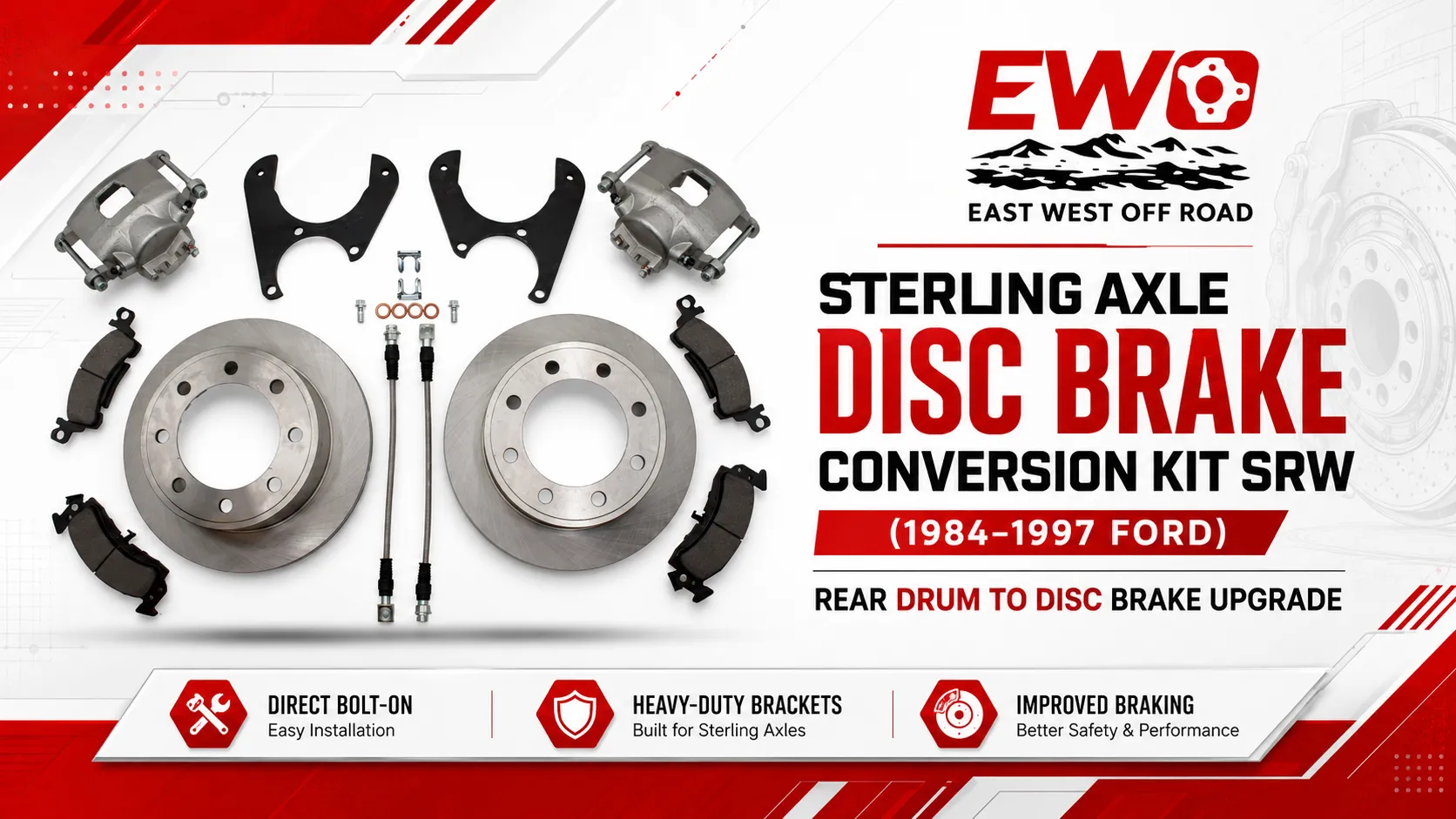
Cheap Sterling axle disc brake conversion kits fail. See the component comparison. Premium CNC brackets, stainless…
#SterlingAxleDiscBrakeConversionKit, #FordSterlingDiscBrakeConversion, #SterlingSRWBrakeUpgrade, #DrumToDiscBrakeConversionKit, #Ford1025DiscBrakeKit, #Ford105SterlingBrakeConversion, #RearDiscBrakeConversionTruck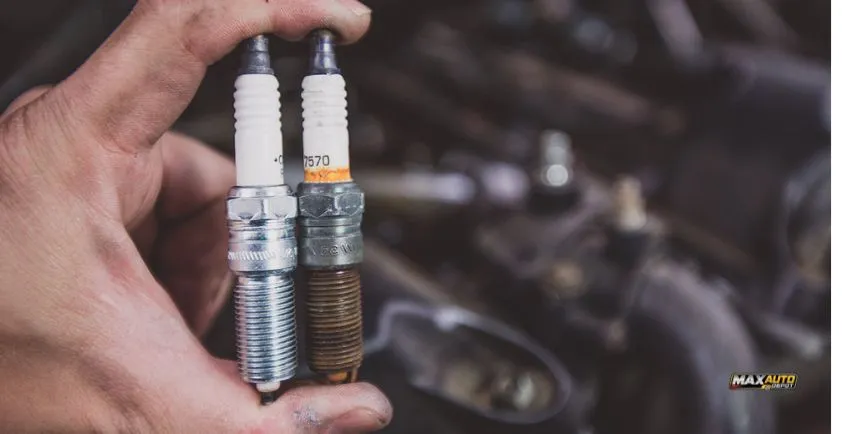
How To Gap Iridium Spark Plugs? Expert Tips for Perfect Performance - Max Auto Depot
spark plugs, expert tips, maxautodepot.com, maxautodepot
How Regular Maintenance Helps Preserve Vehicle Value: Essential Tips - Snap Drive Parts
Vehicle Value, Vehicle tips, Vehicle guide, automotive, auto guide