

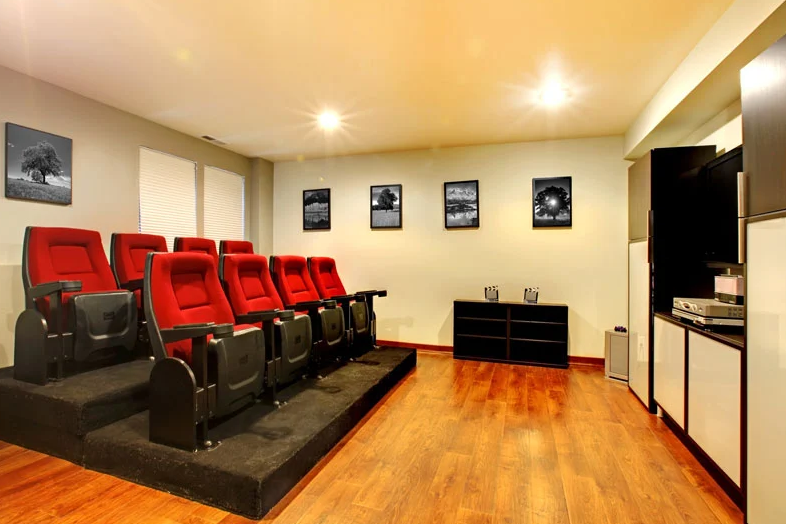
How to Set Up the Perfect Two-Row Home Theater Seating Arrangement
A two-row home theater creates an authentic cinema experience at home, giving multiple viewers unobstructed sight lines and a sense of shared immersion that a single row simply cannot replicate. Whether you are designing a new home theater from scratch or upgrading an existing room, a well-planned two-row layout is one of the most rewarding investments you can make in your entertainment space.
The starting point for any seating decision is understanding your options. Browsing through a dedicated home" target="_blank" rel="noopener noreferrer">https://theaterseatshop.com/blogs/home-theater-seating-guides">home theater guides resource will give you a solid foundation of knowledge before you begin measuring your room and purchasing seats.
Understanding Sight Lines
The primary challenge in a two-row setup is ensuring that viewers in the back row can see the screen without their view being obstructed by the heads of viewers in the front row. There are two main ways to address this.
The first is to elevate the back row on a platform. A raised platform of 12 to 18 inches is typically sufficient to clear the head height of seated viewers in the front row. This approach gives the room a true cinematic feel and is the most common solution in professionally designed home theaters.
The second approach is to stagger the seats so that back row viewers sit in the gaps between front row seats rather than directly behind them. This works well in rooms where building a platform is not feasible.
Platform Construction
If you plan to build a raised platform for the back row, the platform must be structurally sound and finished consistently with the rest of the room. Common platform heights range from 12 to 24 inches. The platform should extend far enough forward that the back legs of the rear row seats rest fully on the raised surface.
Use carpet or the same flooring material as the rest of the room to cover the platform surface. LED step lighting along the platform edge improves safety and adds to the cinematic atmosphere.
Row Spacing
Adequate spacing between rows is essential for comfort and ease of movement. A minimum of 36 inches from the back of the front row seat to the front of the back row seat is generally recommended. If you are using wide or extra-deep recliners, allow additional space to accommodate the full recline depth without crowding.
Visitors should be able to walk to their seats without requiring front row viewers to stand. This typically requires a clear walkway of 18 to 24 inches when front seats are in the upright position.
Selecting Matching Seat Configurations
For the best visual result, both rows should use matching or coordinated seat styles. Many home theater seat retailers sell modular configurations that allow you to build rows of any width. Match the upholstery, color, and style between rows for a cohesive, professional appearance.
Consulting Resources Before You Buy
Before finalizing your layout and purchasing seats, reviewing home" target="_blank" rel="noopener noreferrer">https://theaterseatshop.com/blogs/home-theater-seating-guides">home theater guides that cover seating arrangements, room measurements, and configuration options will help you avoid costly mistakes. Many resources include diagrams, dimension calculators, and real-world examples that make the planning process significantly easier.
FAQ
Q: How much does it cost to build a raised platform for a second row? A: Basic platform construction for a home theater typically costs between $500 and $2,000, depending on size, materials, and whether you hire a contractor or build it yourself.
Q: What is the ideal platform height for a two-row home theater? A: A height of 12 to 18 inches is generally sufficient for most seating configurations. Taller seat backs may require a higher platform.
Q: Can I use different seat styles for the two rows? A: While possible, using consistent styles creates a more polished look. Coordinating upholstery colors can tie together different seat models effectively.
Q: How many seats fit comfortably in a 15-foot-wide home theater? A: A 15-foot width can typically accommodate a four-seat row using standard home theater recliners with appropriate side clearance.
Q: Does the back row need cup holders? A: Both rows benefit from cup holders, particularly if you serve beverages during viewings. Many linked seat configurations include built-in cup holders in the shared armrests.
You may like

9 Powerful Secrets Behind Every Great Supernatural Author That Readers Love - Bcrelx 9 Powerful Secrets Behind Every Great Supernatural Author That Readers Love
Secrets Behind Every Great Supernatural Author
9 Powerful Christian Book Author Truths That Inspire
Christian Book Author
There’s something truly special about traveling with your family. It’s not just about visiting new places—it’s about…
#UttarPradeshTour, #UttarPradeshTourPackages, #VisitUttarPradesh, #incredibleindia