

 Re-mark
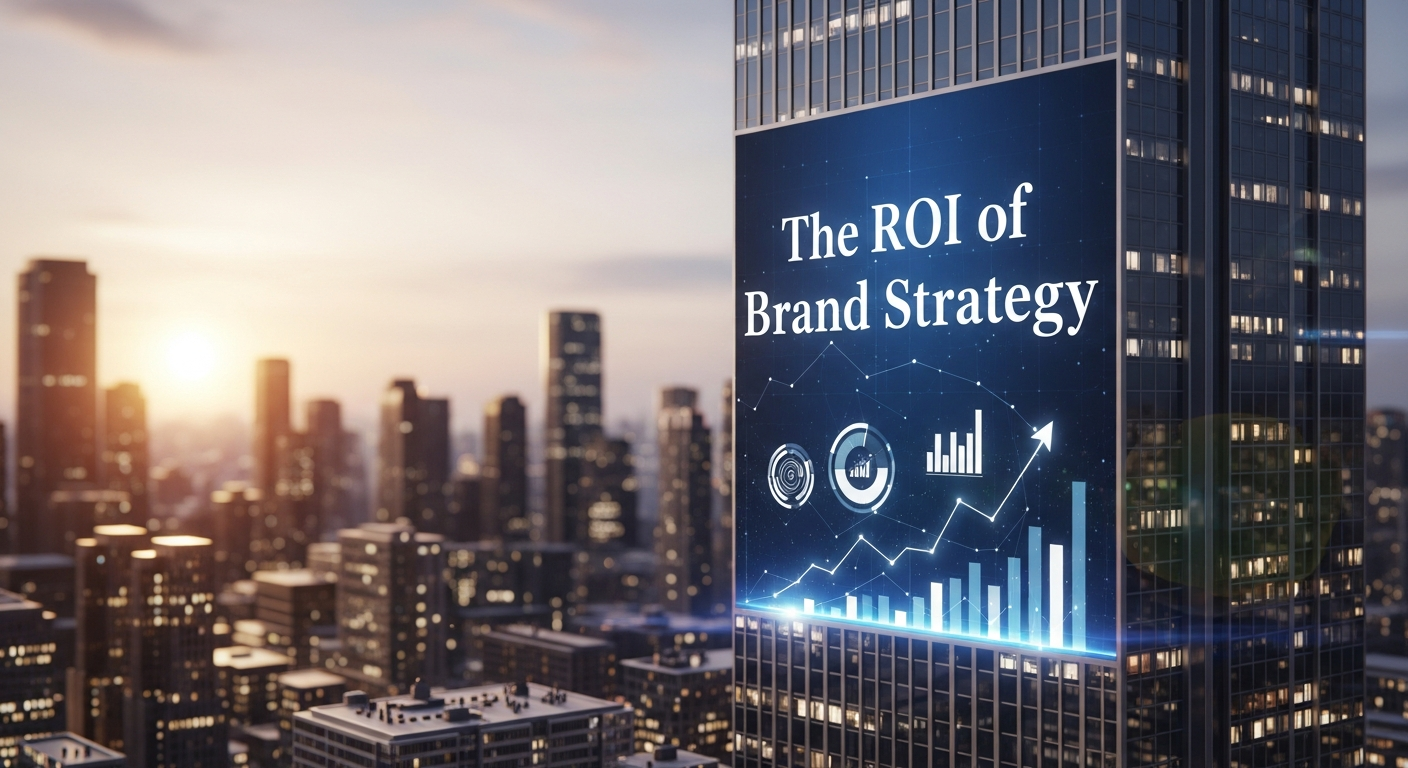
The ROI of Brand Strategy: Making the Business Case to Leadership Transforming marketing from a cost center into a value driver requires a shift in perspective—moving from aesthetic discussions to economic realities. Understanding the ROI of brand strategy is the key to securing executive buy-in by demonstrating that a strong brand is not just a creative asset, but a high-performing financial engine that fuels long-term profitability. While many leaders mistake branding for a superficial layer of logos and slogans, it is actually the structural foundation of a company’s market authority. As noted by Brand’s Dad, true brand strategy defines a company's position, its differentiation, and the emotional narratives that drive consumer behavior. When quantified, these strategic elements deliver measurable returns that impact the entire business ecosystem. The Financial Authority of Premium Pricing The most direct evidence of a successful brand strategy is the ability to command—and sustain—premium pricing. When a brand moves beyond being a functional commodity and becomes a preferred identity, it gains significant pricing power. This allows a company to maintain high gross profit margins even when production costs rise or market competition intensifies. Strong brands exhibit lower price elasticity; their customers are less likely to defect to cheaper alternatives because they are buying into a perceived value and emotional promise. This psychological "moat" ensures that the ROI of brand strategy is felt directly in the bottom line, where increased margins contribute to superior shareholder returns. Lowering Customer Acquisition Costs (CAC) Through Trust In an era of skyrocketing digital advertising costs, a well-defined brand serves as a massive efficiency multiplier. A strong brand presence naturally lowers Customer Acquisition Costs (CAC) because recognized names require significantly less "persuasion" to generate a lead or close a sale. Trust acts as a lubricant that speeds up the entire sales cycle. According to insights shared by Brand’s Dad, strategic branding creates a ripple effect across all performance marketing channels: Enhanced Click-Through Rates (CTR): Users instinctively engage with brands they recognize and respect in search and social feeds. Superior Conversion Ratios: A pre-existing positive perception of a brand removes the friction of skepticism, leading to faster buyer decisions. Organic SEO Dominance: High volumes of branded search queries signal authority to search engines, reducing the long-term reliance on expensive paid media. The Human Capital ROI: Recruitment and Retention The impact of brand strategy is not confined to external sales; it is a critical driver of internal operational health. A compelling employer brand acts as a magnet for top-tier talent, which drastically reduces the expenses associated with recruitment agencies and job board advertising. Furthermore, a clear brand purpose fosters employee alignment and loyalty. Since replacing a skilled team member can cost an organization up to double that individual’s annual salary, the increased retention provided by a strong brand identity represents a direct and measurable financial saving. A loyal workforce is a more productive and cost-efficient workforce. Maximizing Customer Lifetime Value (LTV) The most resilient financial asset a business can possess is a loyal customer base. It is a fundamental truth that retaining an existing client is far cheaper than acquiring a new one. A strategic brand builds an emotional connection that protects the business from competitive poaching and market volatility. Loyalists demonstrate a much higher Customer Lifetime Value (LTV) through repeat purchases, a higher average order value, and a willingness to explore new product lines with minimal marketing spend. This predictable, recurring revenue stream is the direct result of a consistent and authoritative brand experience that prioritizes long-term relationship building over one-off transactions. Crisis Resilience and Strategic Risk Management Brand equity functions as a form of "corporate insurance" during market disruptions or PR challenges. Companies with a deep reservoir of public trust recover from setbacks significantly faster than their unbranded competitors. This resilience preserves long-term enterprise value and ensures that the organization can navigate volatile economic cycles without losing its core market standing. Conclusion: Bridging the Gap Between Brand and Bottom Line To secure long-term executive support, brand strategy must be presented as a core business driver rather than a peripheral marketing expense. By focusing on margin growth, marketing efficiency, and human capital stability, it becomes clear that a strong brand is the ultimate competitive advantage. Strategic branding ensures that a company is not just seen, but consistently chosen and valued. Read the Full Article Are you ready to build a data-backed case that proves the financial power of your branding initiatives? Visit the original source to explore the complete framework for calculating and communicating brand value to your leadership team. 👉 Read the full article here: https://www.brandsdad.com/the-roi-of-brand-strategy/
You may like

The RLLDPE Price Trend remains influenced by raw material costs, supply-demand balance, and regional market conditions…
RLLDPE Price Trend, RLLDPE Prices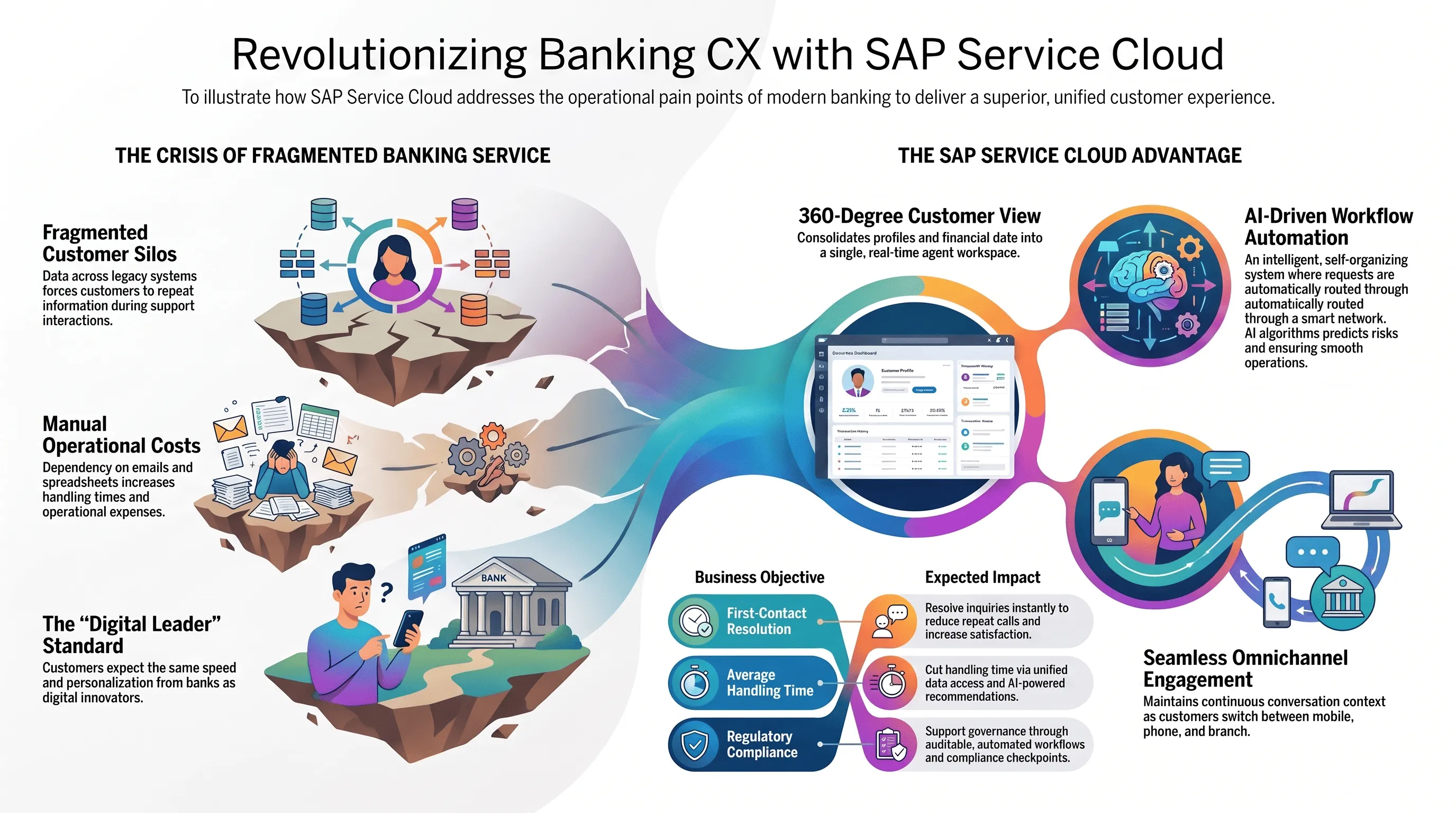
Traditional banking CX is facing a major crisis driven by fragmented data silos and rising operational costs.
How do…

AlphaGraphics West Plano | Frisco is a trusted print communications and marketing solutions company proudly serving…
Booth Displays Plano, Book Printing Plano, Pop Up Banners Printing Plano, Promotional Items Printing Plano, Postcards Printing Service Plano
Comments
What's up, this weekend is nice in support of me, since this <br> <br> point in time i am reading this great educational post here at my residence.<br> <br> <br> <br> <br> <br> <br> <...
What's up, this weekend is nice in support of me, since this <br> <br> point in time i am reading this great educational post here at my residence.<br> <br> <br> <br> <br> <br> <br> <br> Feel free to surf to my web page; <a href="http://www.xn--2s2b270b.com/bbs/board.php?bo_table=free&wr_id=600375">สมัครสล็อต</a>
Superb blog! Do you have any tips for aspiring writers?<br> <br> I'm planning to start my own website soon but I'm a little lost <br> <br> on everything. Would you suggest starting with a free...
Superb blog! Do you have any tips for aspiring writers?<br> <br> I'm planning to start my own website soon but I'm a little lost <br> <br> on everything. Would you suggest starting with a free platform like Wordpress <br> <br> or go for a paid option? There are so many options out there that I'm totally overwhelmed ..<br> <br> Any suggestions? Thank you!<br> <br> <br> <br> Also visit my web page; สล็อต - https://interior01.netpro.co.kr:443/bbs/board.php?bo_table=free&wr_id=315
<br> <br> <br> <br> my website :: Hacksaw Gaming Slots & Rtp Guide - http://Medic.Zkgmu.kz/?option=com_k2&view=itemlist&task=user&id=4828872