

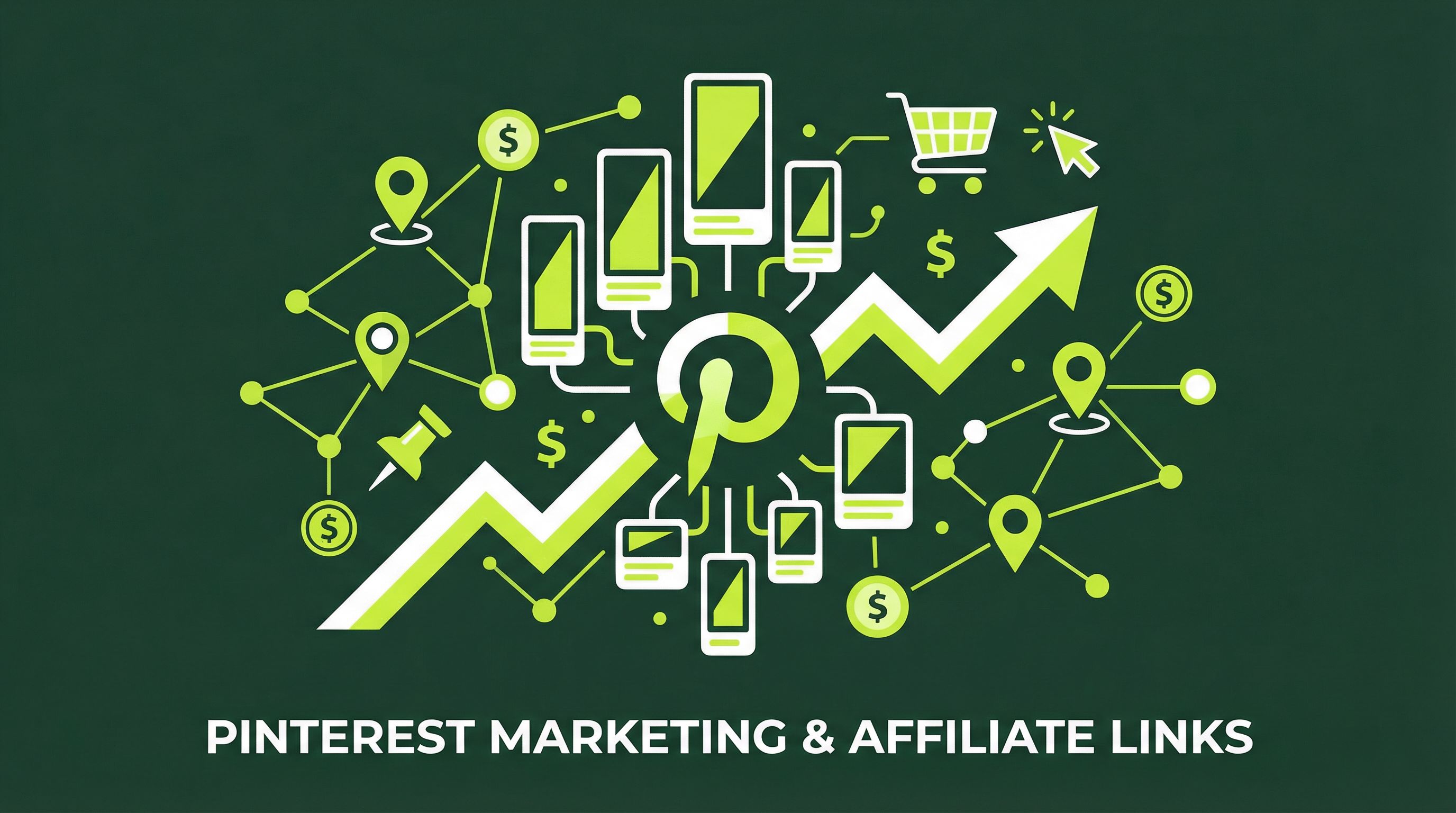
Make Money Online: Affiliate Marketing Without a Website One of the biggest myths in affiliate marketing is that you must build a website before you can earn. In reality, many affiliates start by building an audience on platforms they already use — and only add a website later (if at all). The website isn’t the business. The audience relationship is. This guide explains how affiliate marketing can work across major platforms — even if you don’t own a domain. 1. YouTube Affiliate Marketing (Without a Website) YouTube allows creators to include links in video descriptions, making it beginner-friendly for affiliate marketing. You can: Create how-to tutorials Review products Compare tools Demonstrate solutions to common problems Instead of “selling,” focus on helping someone make a better buying decision. Example: Someone searching “best budget laptop for college” is already researching. A helpful comparison video builds trust naturally. Best practices: Be transparent about affiliate links Add links clearly in the description Focus on solving one specific problem per video No expensive gear required. Clear audio and good lighting matter more than a high-end camera. 2. Pinterest as a Search Platform Pinterest works more like a search engine than a social network. Users actively look for: Product ideas Gift inspiration Tutorials Shopping guides Affiliate links are allowed in many niches (always review current policies). Content that performs well: Product roundups Seasonal gift guides Step-by-step tutorials Visual checklists Consistency and keyword optimization matter more than going viral. 3. Short-Form Video (TikTok & Reels) TikTok and short-form platforms reward relatable, authentic content. While clickable links may be limited in captions, creators often: Use a link in bio Mention resources in their profile Share discount codes Content that works best: Demonstrations Before/after results Quick tips using a tool Personal experiences The key is authenticity. Overly scripted or aggressive promotion often performs poorly. 4. Email Lists Without a Website You don’t need your own domain to collect emails. Platforms like Systeme.io allow users to create hosted landing pages. Traffic from: YouTube descriptions Social profiles Community bios Once someone joins your email list, your focus should be: Education Insights Problem-solving Promotions should feel like recommendations — not constant pitches. A simple guideline: Provide value consistently before introducing offers. 5. Community-Based Affiliate Marketing Platforms such as: Facebook Groups Reddit Discord communities …can be effective when approached correctly. The rule is simple: Contribute first. Promote later (and only if allowed). Helpful participation builds credibility. Direct link dropping without context damages reputation quickly. Always review each community’s rules before sharing affiliate links. Choosing the Right Platform There are two broad approaches: Search-Based Platforms (YouTube, Pinterest) Slower start Long-term traffic potential Evergreen content lifespan Algorithm-Based Platforms (TikTok, Instagram Reels) Faster reach potential Requires consistent posting Shorter content lifespan Beginners often do better by focusing on one platform for 60–90 days instead of trying to be everywhere. A Practical 7-Day Starting Plan Day 1 – Choose your niche and platform Day 2 – Optimize your profile clearly Day 3 – Research common questions in your niche Day 4 – Outline 10 helpful content ideas Day 5 – Publish your first value-driven piece Day 6 – Engage with others in your niche Day 7 – Review performance and refine Focus on improvement, not perfection. Final Thoughts A website can be useful long-term — especially for brand control and SEO — but it is not mandatory to begin. Affiliate marketing works best when you: Solve real problems Build trust Stay transparent Respect platform rules The audience is the asset. Everything else is infrastructure.
You may like

Bunjy
Digital marketing agency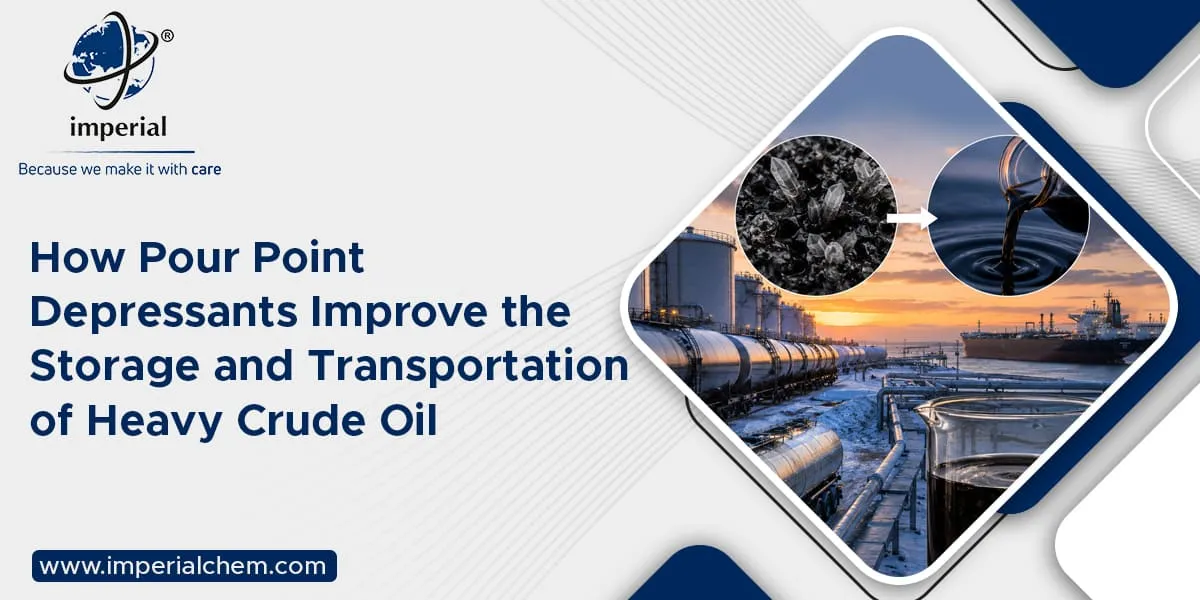
Looking for a reliable corrosion inhibitor manufacturer and supplier for industrial applications? We provide advanced…
#CorrosionInhibitor, #CorrosionProtectionSolutions, #IndustrialCorrosionProtection, #AcidCorrosionInhibitor, #WaterSolubleCorrosionInhibitor, #PipelineCorrosionInhibitor, #OilfieldCorrosionInhibitor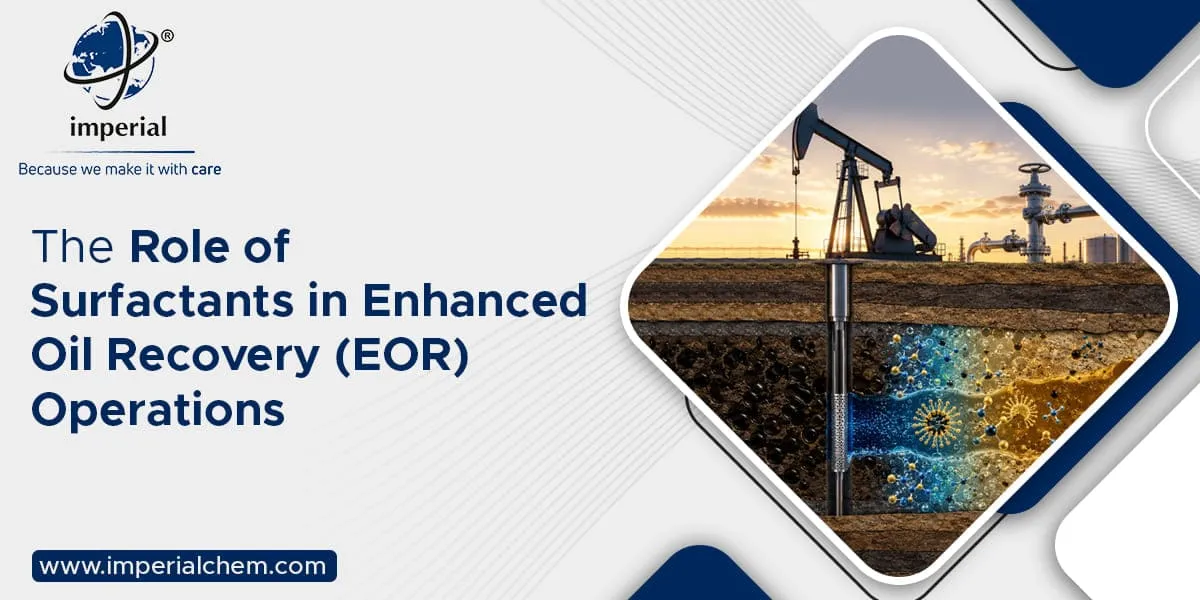
Looking for reliable foam control solutions for industrial applications? Imperial Oilfield Chemicals offers high…
#DefoamerManufacturer, #SiliconeDefoamer, #GlycolBasedDefoamer, #AlcoholBasedDefoamer, #IndustrialChemicals, #ChemicalManufacturer, #AntifoamAgent