

 Re-mark

How to Maintain and Store Aluminium Scaffolding for Long-Term Use – A Guide by Champion Sterling Aluminium scaffolding is a reliable partner on countless job sites—strong, lightweight, and easy to maneuver. At Champion Sterling, we know that investing in aluminium scaffolding is not just about performance today, but durability tomorrow. With proper care, your scaffolding can serve you for years without losing strength, safety, or usability. Here’s a practical, easy-to-follow guide on how to maintain and store aluminium scaffolding so you get the most out of your investment. 1. Routine Cleaning: The First Step to Long-Term Use After every job, it's tempting to just pack up and move on—but a quick clean can go a long way. Aluminium doesn’t rust like steel, but it can still accumulate grime, cement splatter, or corrosive materials. 🔹 What to do:Use a soft cloth and mild detergent with water. Avoid harsh chemicals or steel wool that can scratch or damage the surface. If the scaffolding was exposed to saltwater or chemicals, rinse thoroughly. 🔹 Champion Sterling Tip:Pressure washing is okay, but make sure you dry the scaffolding completely to prevent moisture build-up in joints or locking mechanisms. 2. Inspection: Small Issues Can Become Big Problems Regular inspections are the key to preventing accidents and keeping your scaffolding in good working order. Even aluminium, with its strength-to-weight advantage, can suffer from wear and tear over time. 🔹 What to check: Cracks or deformities in frames Loose or missing locking pins Rust or corrosion on non-aluminium parts (like wheels or hardware) Secure welds and joints 🔹 Champion Sterling Tip:Create a weekly or monthly inspection log. It helps to catch problems early and can be useful if you're renting or auditing equipment. 3. Proper Storage: Don’t Let the Weather Win Aluminium scaffolding is designed for outdoor use, but long-term exposure to the elements can degrade even the toughest materials. 🔹 Best practices: Store scaffolding under cover, preferably indoors. If outdoor storage is the only option, use waterproof tarps that still allow for air circulation. Keep all components off the ground using pallets or racks to avoid contact with moisture or chemicals. 🔹 Champion Sterling Tip:Organized storage reduces handling damage and makes it faster to set up your next job. Invest in labeled storage racks or bins for small parts. 4. Lubrication: Keep It Moving Smoothly Mobile aluminium scaffolding tower units often include caster wheels, hinges, or locking systems. These parts need occasional lubrication to stay functional and safe. 🔹 What to use:Silicone-based lubricants are best, as they don’t attract dust or grime. 🔹 Champion Sterling Tip:Avoid oil-based greases near walking platforms—they can create slip hazards. 5. Training & Documentation: Your Hidden Safety Net Even with perfect maintenance, equipment can only be as safe as the people using it. Champion Sterling encourages proper training for all scaffold users and handlers. 🔹 Things to consider: Document maintenance and repairs Train teams on correct assembly and dismantling procedures Keep user manuals and safety protocols easily accessible Final Thoughts At Champion Sterling, we believe that great equipment deserves great care. With a little attention and the right storage habits, your aluminium scaffolding can support your team safely and efficiently for years to come. Need help with maintenance tools or storage solutions? Reach out to the Champion Sterling team—we’re happy to guide you.
You may like
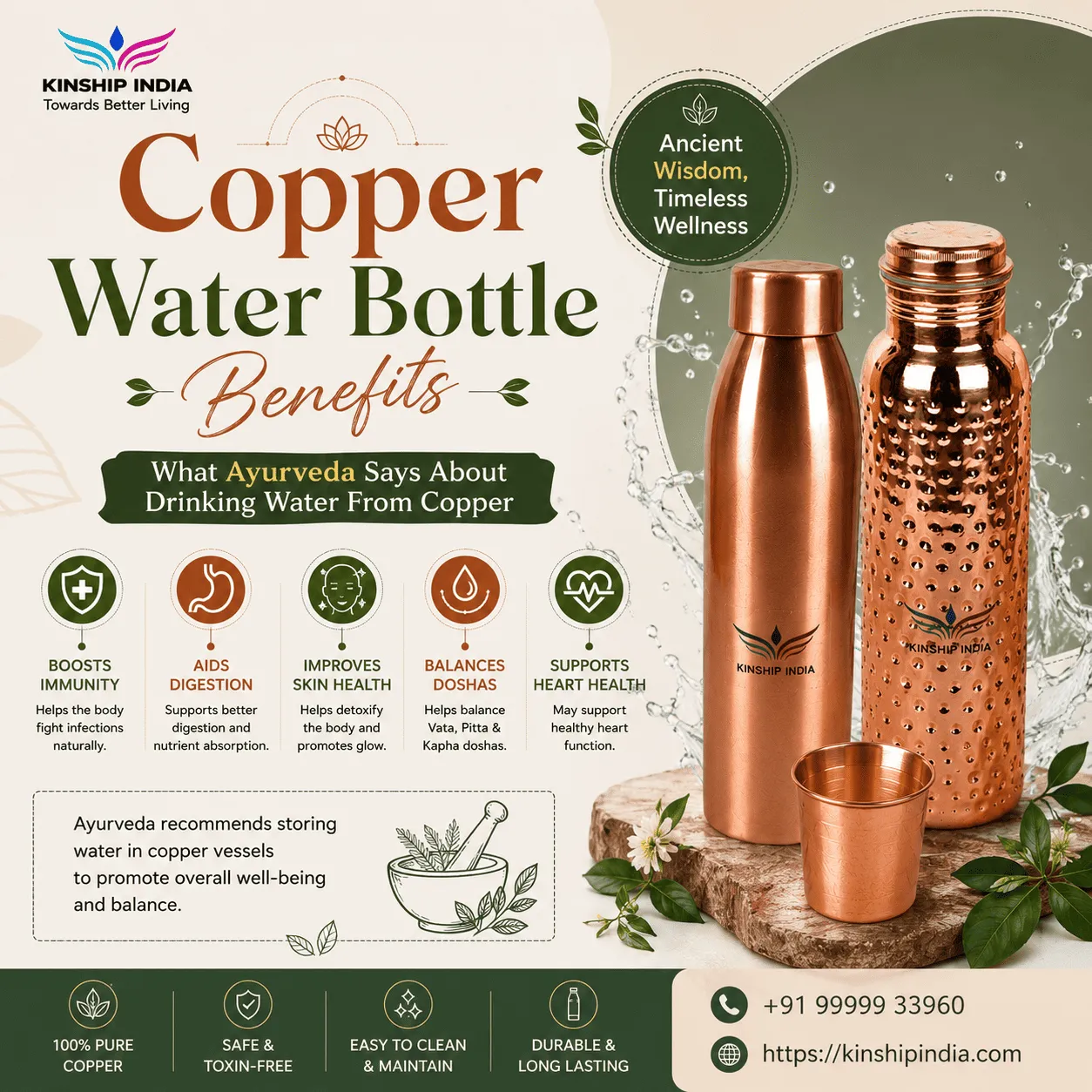
Copper Water Bottle Benefits: Ayurvedic Wellness Insights by Kinship India
Explore the traditional benefits of…
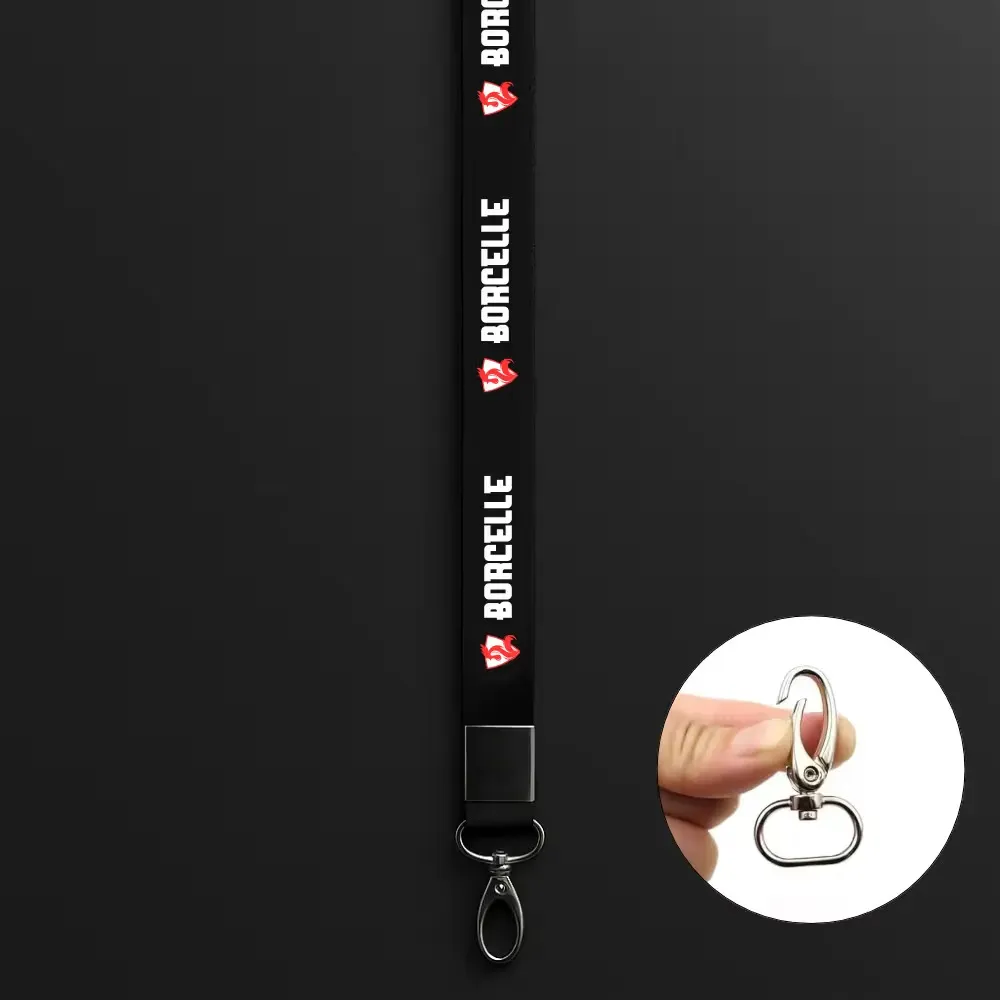
Features of Our Lanyard with Fish Hook
Premium Satin Material: Smooth, durable, and comfortable for extended wear,…
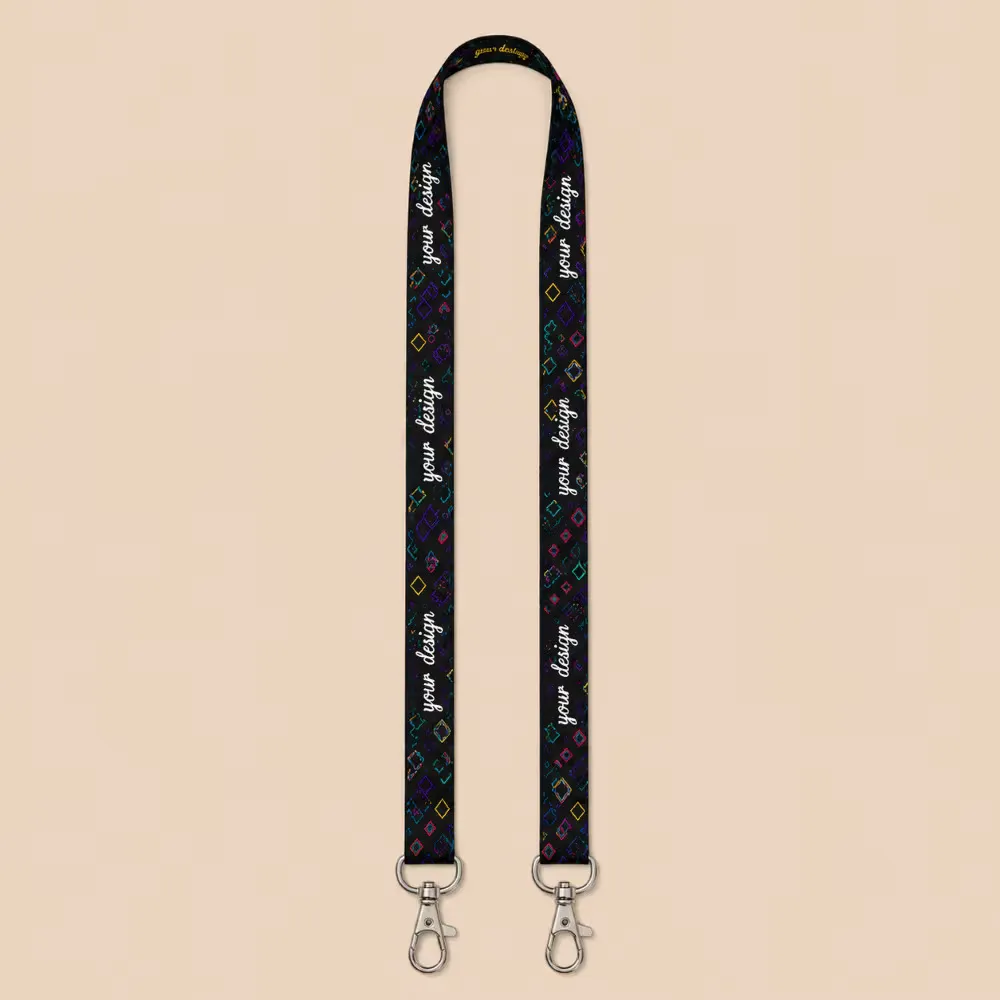
Premium Features of Our Double Hook Lanyards
1. High-Quality Satin Ribbon Material
Our double clip lanyard is made…