

 Re-mark

Detect Impression Spam & Save Ad Budget | mFilterIt Blogs While marketers focus on driving installs and scaling campaigns, there’s a silent threat that’s bleeding budgets dry – Impression Spam. These are fake or hidden impressions generated to manipulate attribution models and steal credit for app installs, especially through View-Through Attribution (VTA). On the surface, everything looks great. High impression counts, rising install numbers, good reach. But beneath, you’ll often find invalid impressions that were never actually seen by real users. Here’s the uncomfortable truth: if your VTA numbers are spiking without corresponding clicks, your ads are likely being targeted. Impression spam doesn’t just distort your data; it rewards fraudsters, inflates costs, and hijacks installs that should have been credited to genuine traffic or organic users. That’s where impression validation becomes non-negotiable. In this article, we’ll talk about how impression spam works, what red flags to watch for, and how mFilterIt helps you bring transparency back to your attribution funnel with impression integrity. Table of Contents Why Impression Spam Happens? What is the Difference Between Click Through Attribution & View Through Attribution? How Impression Spam Hurts Your Campaigns? (Some Red Flags You Shouldn’t Ignore) How mFilterIt Helps You Detect and Block Impression Spam Conclusion: Protect Your Campaigns with Valid8 Why Impression Spam Happens? Most marketers use both Click-Through Attribution (CTA) and View-Through Attribution (VTA) to measure performance. While CTA requires a user to click on an ad before converting, VTA allows installs to be credited based solely on an impression, if the user later installs the app within the attribution window. This is where the impression fraud creeps in. VTA opens the door for bad actors to take advantage of attribution systems, inflate VTA that allow installs to be attributed even when no click happens, just by showing an impression. What is the Difference Between Click Through Attribution & View Through Attribution? While both CTA and VTA serve distinct purposes in performance measurement, their attribution mechanics differ significantly. Here’s How:
You may like

Data Center Water Treatment in Hyderabad | Hydromo
Data Center Water Treatment in Hyderabad, Best Water Treatment System for Data Centers, Reducing Water Consumption in Data Centers, Industrial RO Plant for Cooling Towers, Industrial Water Treatment for AI Data Centers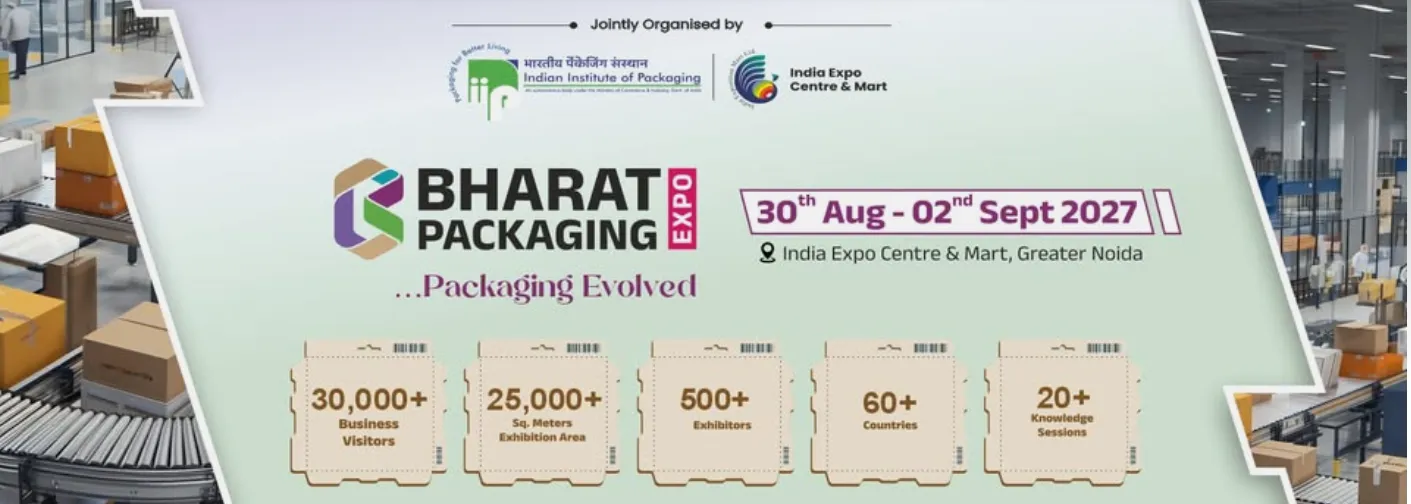
Sourcing the right packaging line often starts at a trade fair floor, not a catalogue. This post explains how packaging…
industrial export packaging, Bharat Packaging Expo 2027, pharma packaging materials, smart packaging market, Smart Packaging Solutions, Sustainable Packaging, pharma packaging India
DNA Travel | B2B Booking Platform for Travel Agents
DNA Travel, DNATravel, travel advisors, Travel Agents, hotel quote workflow, branded hotel quotes