

 Re-mark
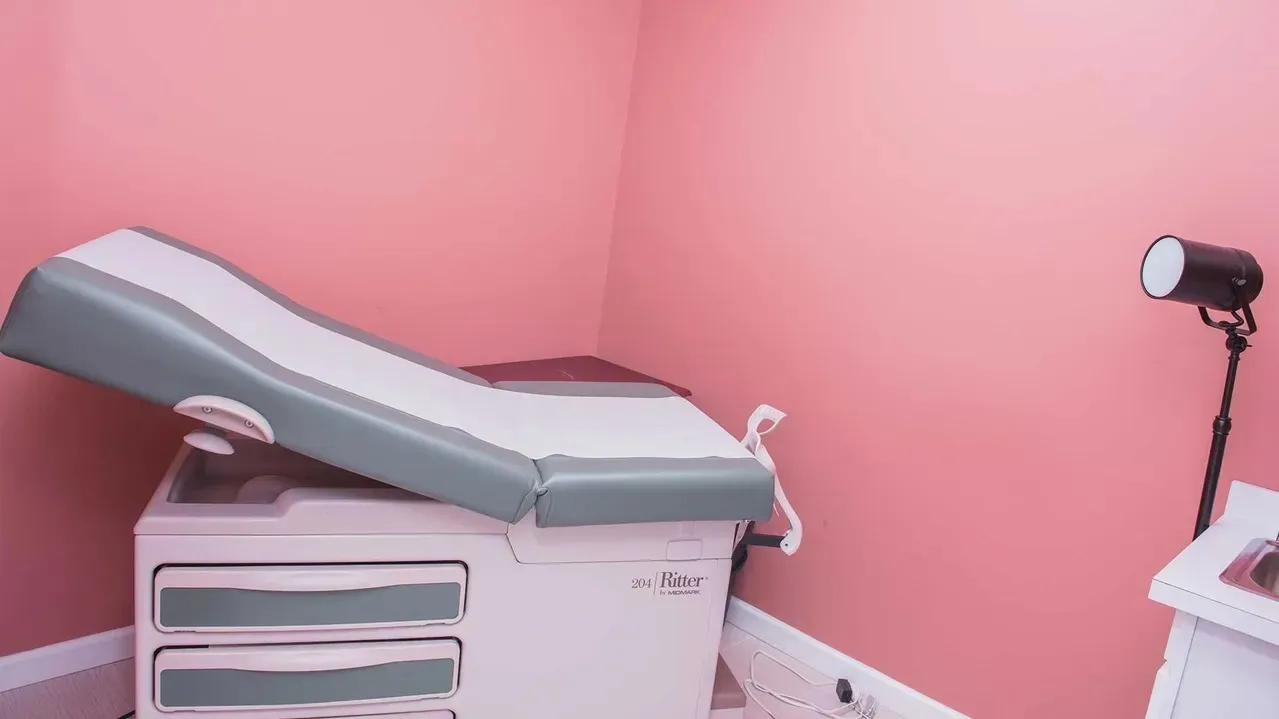
Your Guide to Health Exams for a Safer, Healthier Future When it comes to starting a new chapter in life—whether it's moving to a new country or stepping into a career as a commercial driver—medical examinations play a crucial role. Two such essential health evaluations are the Immigration Medical Exam and the DOT/CDL Medical Exam. While they serve different purposes, both are designed to ensure public safety and individual well-being. In this article, we’ll walk you through what each exam involves, why it’s important, and how to prepare. What is an Immigration Medical Exam? If you're applying for a U.S. green card (permanent residency), you’re required to undergo an Immigration Medical Exam. This exam is mandated by the United States Citizenship and Immigration Services (USCIS) and must be completed by a civil surgeon approved by USCIS. The purpose? To make sure you're not carrying any communicable diseases that could pose a public health risk and that you’re up to date on required vaccinations. Here’s what’s typically included: Medical history review: The doctor will ask about your past illnesses, surgeries, mental health, and substance use. Physical examination: Basic checks like height, weight, blood pressure, and a general physical review. Tests for specific diseases: Blood tests and chest X-rays to screen for diseases like tuberculosis, syphilis, and other conditions. Vaccination review: You’ll need to show proof of vaccinations for diseases like measles, mumps, rubella, hepatitis B, and others. If you’re missing any, you may need to get them during the exam. The results are sealed and sent directly to USCIS or handed to you in a sealed envelope, depending on how your application is being processed. What is a DOT/CDL Medical Exam? If you're planning to drive a commercial vehicle—whether it's a truck, bus, or another heavy-duty vehicle—you’ll need to pass a DOT/CDL Medical Exam. This exam is required by the Department of Transportation (DOT) and administered by a FMCSA-certified medical examiner. The main goal? To ensure you’re physically and mentally fit to operate a commercial vehicle safely on the roads. What the exam includes: Vision and hearing tests: You must meet minimum standards for visual acuity and hearing. Blood pressure and pulse rate: High blood pressure may not disqualify you, but it could mean shorter medical certification periods. Urinalysis: This checks for signs of underlying medical conditions like diabetes. Medical history and medication review: You’ll discuss any ongoing health issues, current medications, and past surgeries or hospitalizations. Physical examination: From neurological checks to limb function and cardiovascular health, this exam covers it all. If you pass, you’ll receive a Medical Examiner’s Certificate (DOT card), which is typically valid for up to two years. In some cases, if the examiner wants to monitor a condition, it might be valid for a shorter period. Tips for a Smooth Medical Exam Experience Bring your paperwork: ID, medical records, vaccination history, glasses or contacts, and a list of medications. Be honest: It’s important to answer all questions truthfully to avoid issues later. Rest up: Get a good night’s sleep and avoid caffeine or nicotine if you’re worried about your blood pressure. Stay calm: These exams are not “tests” you pass or fail in the usual sense. They’re there to ensure you're healthy enough for the responsibilities ahead. Final Thoughts Whether you're pursuing a new life in the U.S. or hitting the road as a commercial driver, the Immigration Medical Exam and the DOT/CDL Medical Exam are milestones on your journey. While the paperwork and procedures may seem overwhelming, they’re essential steps toward your goals. By understanding what to expect and coming prepared, you can approach both exams with confidence—and take one step closer to your future. Address: 170-07 Hillside Ave., Jamaica, NY 11432 Phone: +1 347-380-9050 Website: msalammedical.com
You may like
Matte Visiting Cards
#MatteVisitingCards, #MatteFinish, #ElegantBusinessCards, #SmoothTouch, #PremiumQuality, #CustomMatteCards, #ModernDesign
Glossy Business Cards
#GlossyBusinessCards, #HighGlossFinish, #ShinyBusinessCards, #LuxuryVisitingCards, #PremiumPrinting, #ProfessionalDesign, #VibrantColors
Eco-Friendly Business Card
#EcoFriendlyBusinessCards, #SustainableDesign, #RecycledPaperCards, #GreenPrinting, #EcoBranding, #BiodegradableCards, #EnvironmentFriendly