

 Re-mark
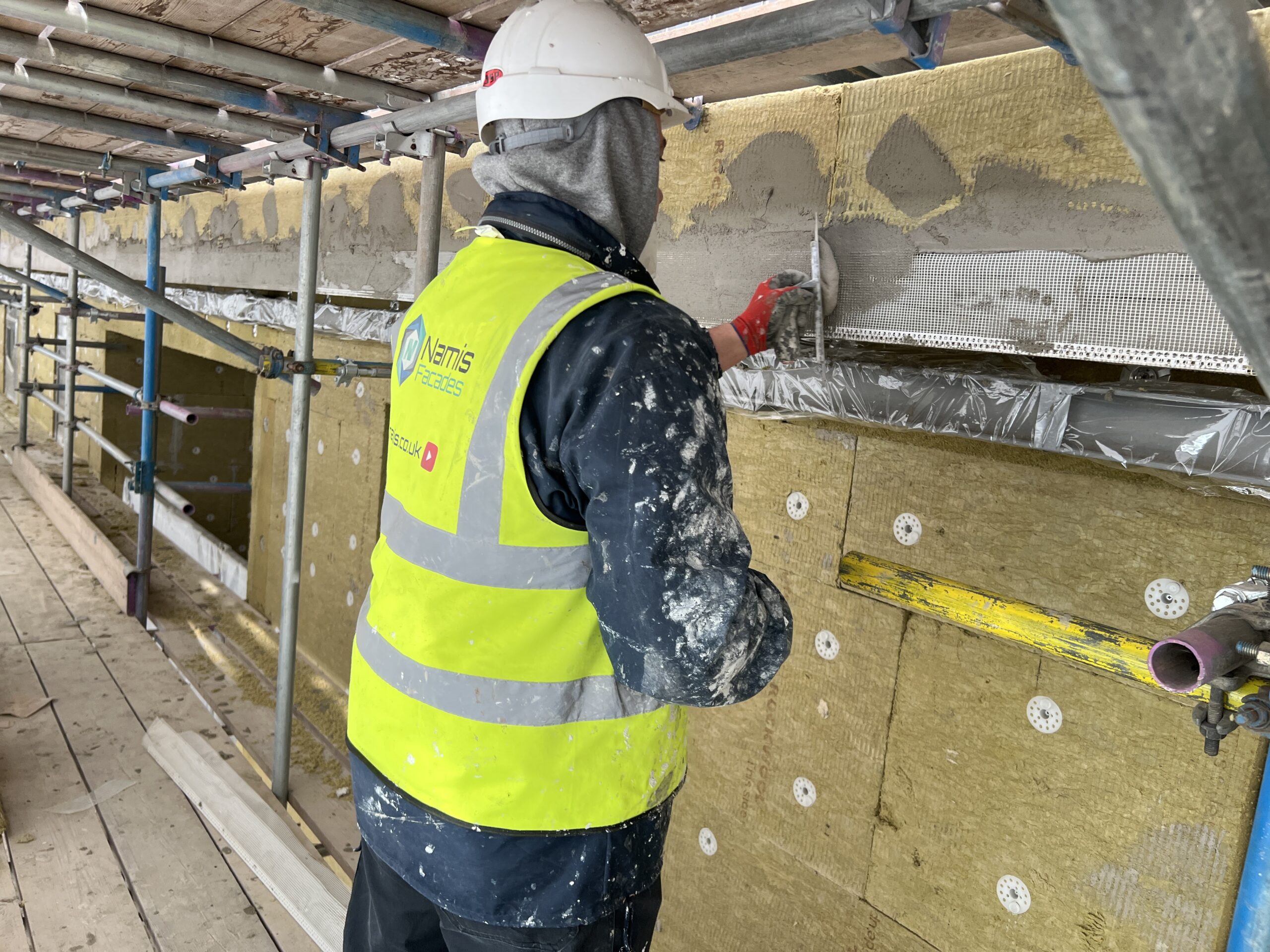
The Benefits of External Wall Insulation (EWI): Enhancing Efficiency and Comfort In the quest for improved energy efficiency and comfort within our homes, external wall insulation (EWI) has emerged as a powerful solution. This innovative method of insulating the exterior of buildings offers a range of benefits that go beyond simple temperature control. Let’s explore why EWI is gaining traction and how it can transform your living environment. What is External Wall Insulation? External wall insulation involves applying an insulating material to the outside of a building’s walls, which is then covered with a protective and often decorative render. This process creates a continuous layer of insulation around the home, effectively reducing heat loss and improving energy efficiency. EWI can be applied to a variety of building types, including brick, concrete, and stone structures. Key Benefits of External Wall Insulation 1. Improved Energy Efficiency One of the most significant advantages of EWI is its impact on energy efficiency. By providing a continuous layer of insulation, EWI minimizes the amount of heat escaping from the home during colder months. This leads to a reduction in energy consumption for heating, which can translate into substantial cost savings on energy bills. In fact, some studies suggest that EWI can reduce heat loss by up to 40%, making it a worthwhile investment for those looking to lower their energy expenses. 2. Enhanced Comfort EWI helps maintain a more consistent indoor temperature by reducing drafts and cold spots. This increased thermal comfort is particularly beneficial during the winter months when homes can otherwise feel cold and uncomfortable. By keeping the internal temperature stable, EWI contributes to a more pleasant living environment year-round. 3. Reduced Condensation and Mould Growth External wall insulation can also help tackle issues related to condensation and mould. Cold walls can lead to condensation forming on the inside, which in turn can cause mould growth and damage. EWI creates a barrier that keeps the wall surface warmer, reducing the likelihood of condensation and improving indoor air quality. This can lead to healthier living conditions and reduce the need for costly repairs. 4. Increased Property Value Installing EWI can enhance the overall aesthetic of a property while simultaneously boosting its value. The external render can be customized in various finishes and colours, providing an opportunity to refresh the appearance of an old or dated building. In addition to aesthetic improvements, the energy efficiency gains associated with EWI can make the property more attractive to potential buyers. 5. Environmental Impact Reducing energy consumption not only benefits homeowners financially but also has a positive environmental impact. By lowering the amount of energy needed to heat a home, EWI helps to reduce carbon emissions associated with energy production. This contributes to a smaller carbon footprint and aligns with broader sustainability goals. Conclusion External wall insulation represents a practical and effective solution for enhancing energy efficiency, comfort, and property value. With its ability to reduce heat loss, improve indoor conditions, and contribute to environmental sustainability, EWI is a valuable investment for homeowners seeking to optimize their living spaces. As energy costs rise and environmental concerns grow, the benefits of EWI make it a compelling choice for modernizing and improving the performance of residential buildings.
You may like
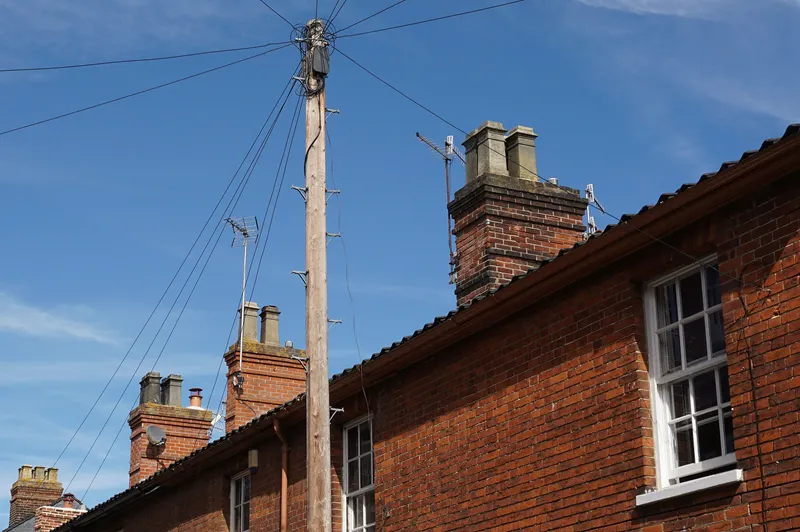
Need a chimney sweep in Virginia Beach? A Step In Time Chimney Sweeps offers chimney cleaning, inspections, repairs,…
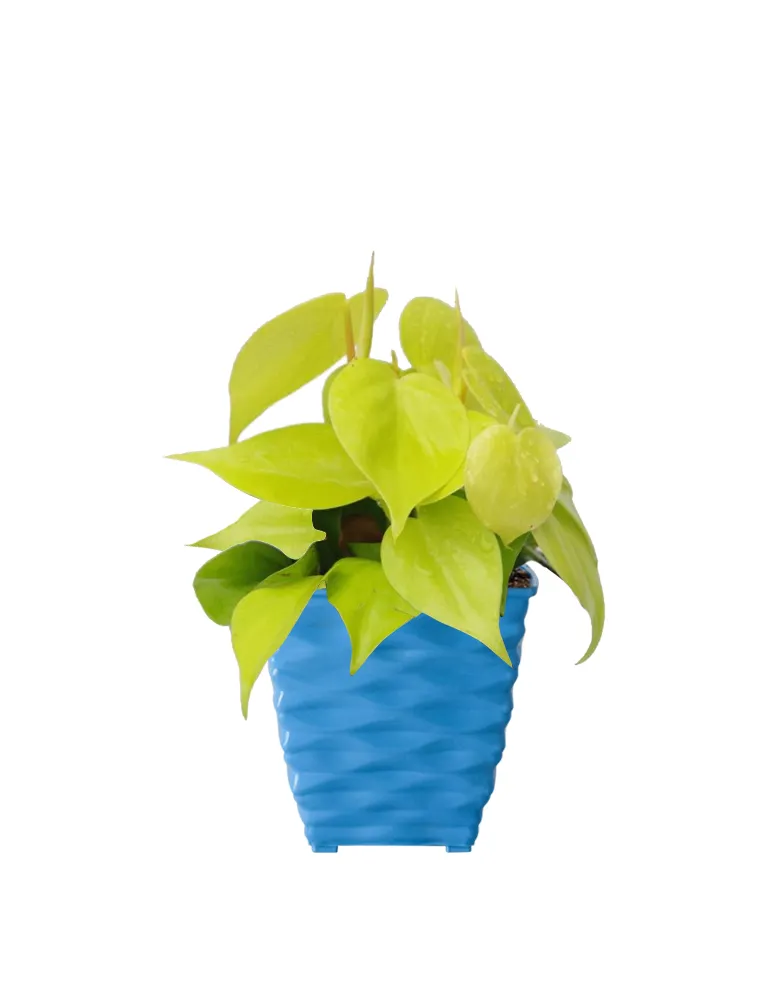
Choosing plants for your living room is the best thing you can do for your health, as caring for plants has a...

An office could also be an area where you spend most of your everyday time and movie how hard it'll be to visit an...