

 Re-mark
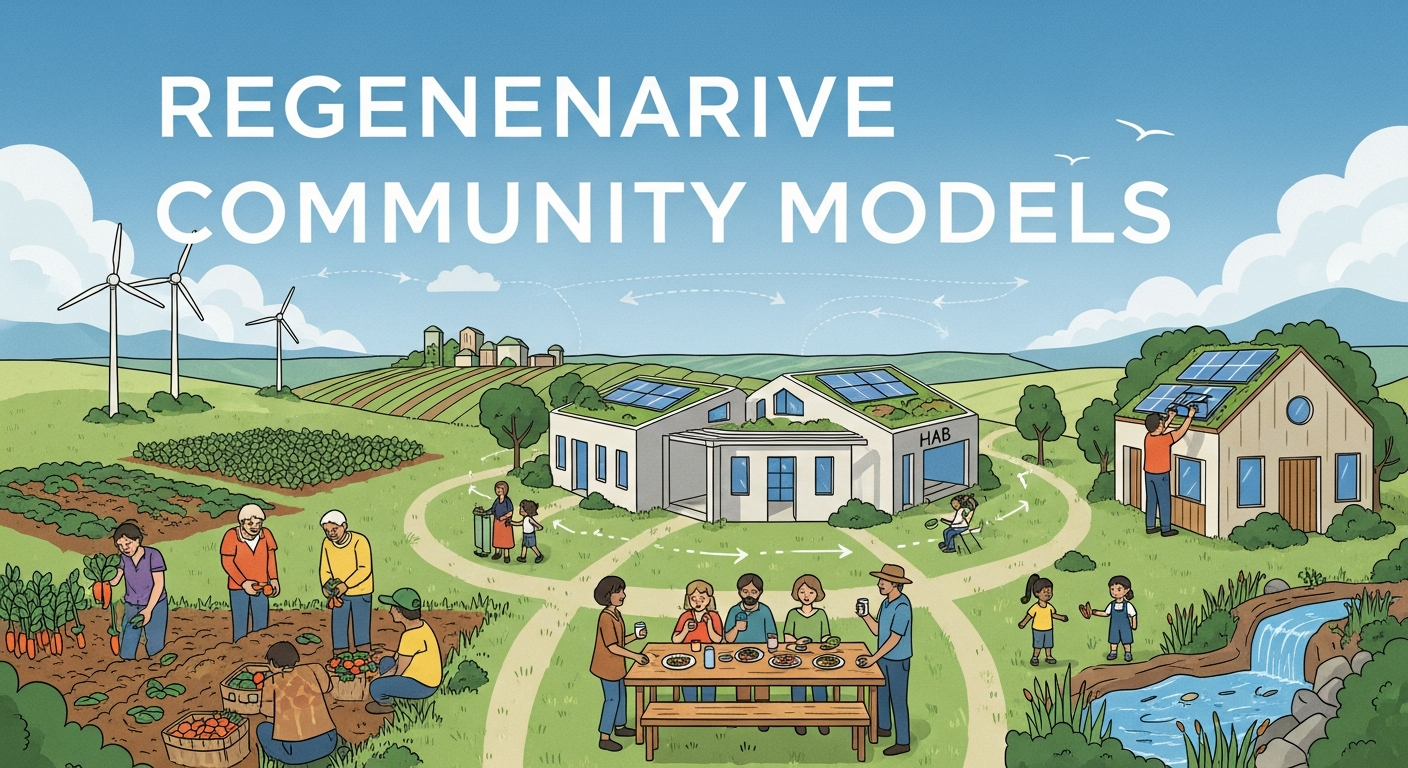
In a landscape where "sustainability" is often reduced to a series of mitigation strategies, a more ambitious framework is rising to the forefront: the regenerative community. While traditional sustainable practices focus on reducing harm and achieving a "net-zero" impact, regenerative community models represent a paradigm shift toward active restoration. These groups are designed to be net-positive, ensuring that their social, economic, and ecological footprints actually improve the environment and the lives of those around them. By moving from a mindset of "doing less bad" to "doing more good," we can build resilient systems that flourish for generations. Defining the Regenerative Shift: Beyond Sustainability The transition from sustainable to regenerative is a movement from maintenance to evolution. A sustainable community aims to use resources at a rate that allows them to be replaced, essentially treading water. In contrast, a regenerative community functions like a living organism, constantly renewing itself and its surroundings. This approach views human settlements not as separate from nature, but as vital participants in a larger ecological dance. According to insights shared by BuildBonding, the success of these models depends on a fundamental change in how we perceive value. Instead of measuring success solely through financial growth or resource conservation, we begin to value social cohesion, soil health, and the mental well-being of the collective. This holistic perspective ensures that every action taken by the group contributes to a cycle of mutual benefit. Key Pillars of a Regenerative Community To build a group that truly gives back more than it takes, leaders must integrate several core dimensions of human and environmental health. These pillars serve as the foundation for a truly thriving, self-healing society. Ecological Vitality and Biodiversity Regenerative models treat the land as a primary stakeholder. Rather than simply minimizing carbon emissions, these communities actively sequester carbon through soil restoration and reforestation. They utilize greywater systems and permaculture design to ensure that the water leaving the community is often cleaner than the water entering it. By fostering local biodiversity, the community creates a stable ecosystem that can naturally withstand pests and climate fluctuations. Social Resilience and Relational Wealth A community is only as strong as its relationships. Regenerative groups prioritize deep social equity, ensuring that resources and opportunities are accessible to all members. This is achieved through transparent governance, conflict-resolution frameworks, and shared spaces that encourage spontaneous interaction. When trust is high, the "social capital" of community life increases, and the group's ability to innovate and support members in times of crisis increases exponentially. Economic Circularity and Local Wealth The economic engine of a regenerative model is circular. This means keeping capital—both financial and material—within the community. By supporting local artisans, implementing tool-sharing cooperatives, and utilizing community-supported agriculture (CSA), the group reduces its dependence on external, extractive global supply chains. This localized approach not only reduces the carbon footprint but also keeps wealth circulating among the people who created it. Strategies for Implementing Regenerative Design Moving toward a regenerative future requires intentionality and a willingness to experiment. Whether you are part of a neighborhood association, a co-living space, or a professional organization, these strategies can help pivot your group toward a net-positive impact: Audit Your Outflows: Identify what your community "wastes." Whether it is food scraps, energy, or even human talent, find ways to turn those outflows into inputs for another part of the system. Prioritize Multi-Solving: Look for solutions that solve more than one problem at once. For example, a community garden provides local food, improves mental health, and captures rainwater. Focus on Long-Term Stewardship: Move away from short-term "fixes" and toward long-term care. This involves creating "legacy" projects that will continue to provide value for generations to come. A Vision for Thriving Together The goal of regenerative community models is to create a world where our very existence enhances the planet. By building groups that are deeply rooted in their local ecosystems and committed to the flourishing of every member, we move closer to a future defined by abundance rather than scarcity. As we refine these models, we prove that human ingenuity and nature’s wisdom can work in perfect harmony to heal our world. 👉 Read the full article here: https://www.buildbonding.com/regenerative-community-models-building-groups-that-give-back-more-than-they-take/
You may like
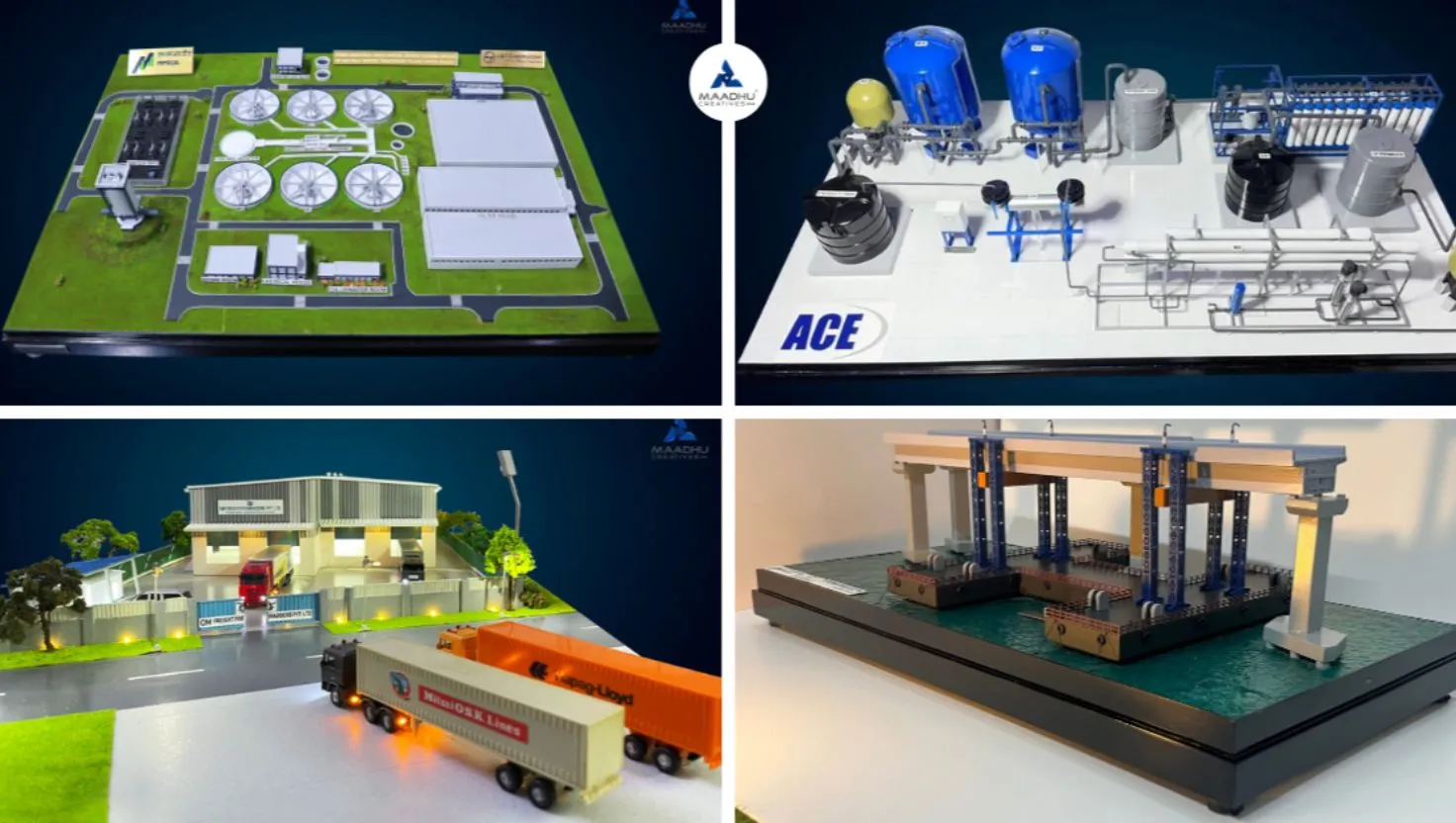
Best Miniature Model Making Services for Realistic Project Presentation
Best miniature model making services provide…
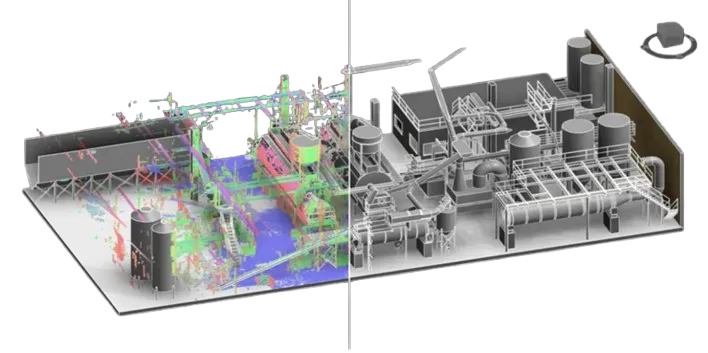
Revit Modeling Services USA offers high-quality BIM solutions, Point Cloud to Revit conversion, Scan to BIM, MEP…
revit modeling services, revit modeling usa, BIM Modeling, Point Cloud to Revit, scan to bim, MEP Modeling, as built modeling
تصميم ثري دي للمنازل : ابنِ منزل أحلامك بدون خسائر | فوموشن