

Marked 2 months 2 weeks ago onto Advanced Medical Laser Solutions
 Re-mark
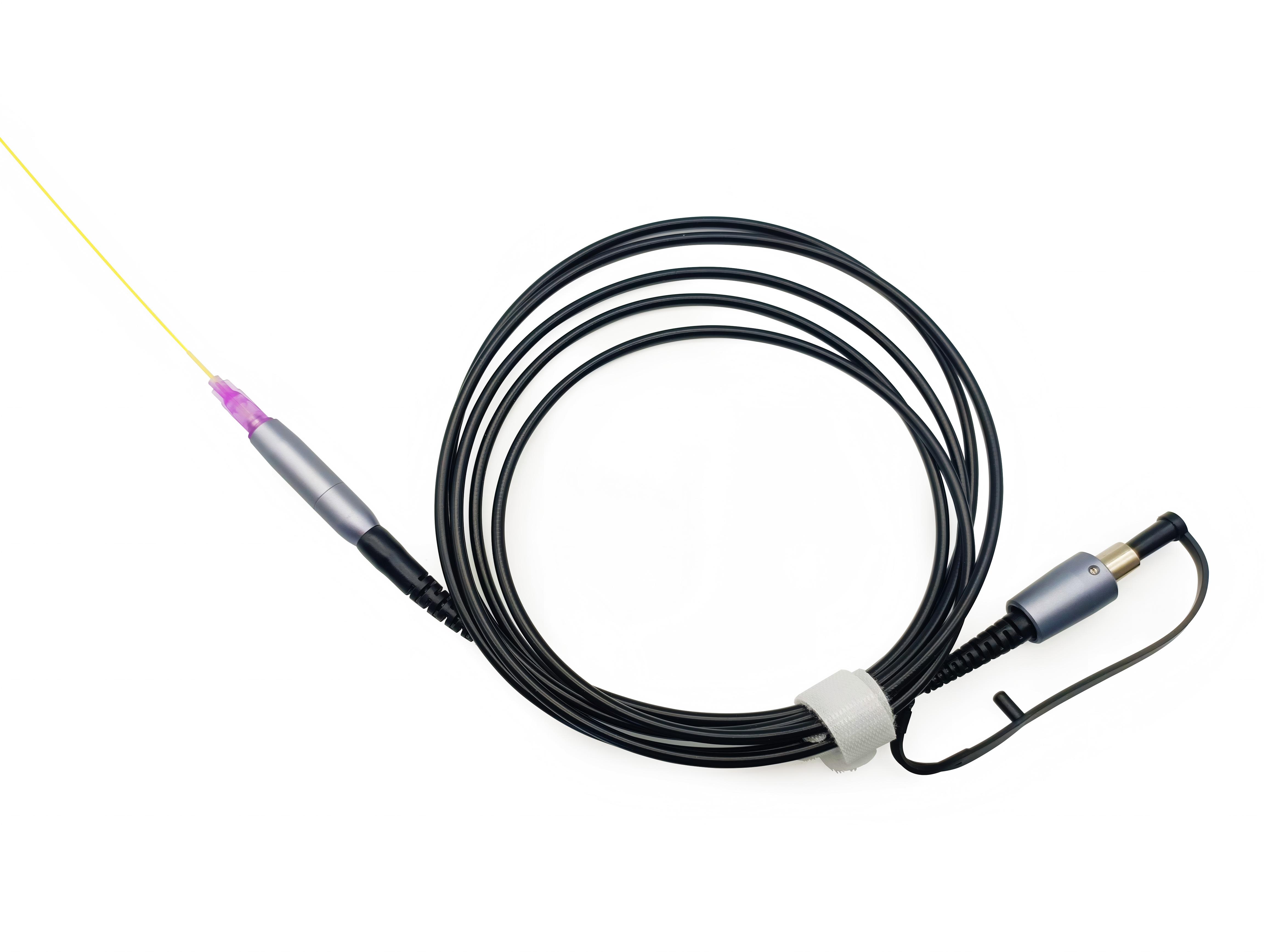
Optimizing Surgical Precision: The Critical Role of High-Performance MFF Handpieces
In minimally invasive surgical procedures, ranging from laser-assisted lipolysis to delicate ENT operations, the success of the intervention is defined by precision. While the choice of laser generator (980nm/1470nm) and optical fiber (radial/bare) is critical, the MFF Handpiece (Multi-Function Fiber Handpiece) is the final, ergonomic interface that determines how effectively that energy is delivered.
The Surgical Pain Point: Fatigue and Lost Transmission
Surgeons performing lengthy laser procedures often face two major challenges:
1.Hand Fatigue: Traditional, bulky, or poorly balanced handpieces increase pinch force and muscle strain, potentially affecting fine motor control.
2.Energy Loss: Suboptimal coaxial alignment at the handpiece-fiber interface can lead to power loss (lost transmission), slower procedures, and unintended thermal damage at the connector.
Why Ergonomics and Materials Matter
A high-performance MFF handpiece, like those manufactured by MedFibers, is designed from anodized, surgical-grade aluminum. This material choice ensures a lightweight yet durable tool that dissipates heat rapidly. Key ergonomic advantages include:
Balanced Weight Distribution: The handpiece sits naturally in the surgeon's hand, allowing for a relaxed, pen-like grip.
Non-slip Texture: Advanced knurling patterns prevent slipping, even when wearing gloves, providing enhanced tactile feedback and maneuverability in delicate anatomical spaces.
Universal SMA905 Interoperability
For medical device distributors and hospital procurement managers, interoperability is crucial for streamlining inventory. A professional MFF handpiece must feature a precision-machined SMA905 connector. This universal standard guarantees perfect coaxial alignment with over 98% of the surgical diode laser systems on the market, facilitating seamless energy transmission.
Procurement Strategy: Direct Sourcing for B2B Partners
When sourcing surgical accessories, partnering directly with a specialized manufacturer offers significant strategic advantages:
Customization (OEM/ODM): Custom cannula lengths and diameters (e.g., 14G-20G) to match specific surgical requirements.
Cost Efficiency: Competitive pricing models for bulk procurement, bypassing middle-market markups.
Supply Chain Reliability: Certified production facilities ensuring consistent quality standards (ISO) and reliable lead times.
Conclusion
Investing in a high-performance MFF Handpiece is an investment in both surgical comfort and operational efficiency. By prioritizing ergonomics, material science, and universal compatibility, clinics and distributors can significantly enhance their minimal invasive offerings.
About MedFibers:
MedFibers is a premier manufacturer of surgical fiber optics and laser delivery systems. We specialize in robust, autoclavable solutions for Lipolysis, EVLT, and Proctology applications. If you want to know more. Please visit:https://new.medfiber.com/accessories/#section3You may like

The Best Time of Year to Replace Your HVAC System in Southern Arizona : Duct Cleaning Tucson AZ
tucson az heating and cooling, heating and cooling tucson az, air duct cleaning tucson, air duct cleaning tucson az, duct cleaning tucson az, ac installation tucson, air conditioning repair tucson
Content-
गर्मी में जामुन खाने के फायदे गर्मी में जामुन खाने से ब्लड शुगर कंट्रोल में होती है पेट की समस्याओं जैसे गैस…

Learn about common liver disease symptoms, including fatigue, jaundice, abdominal pain, nausea, and swelling. Discover…