

 Re-mark
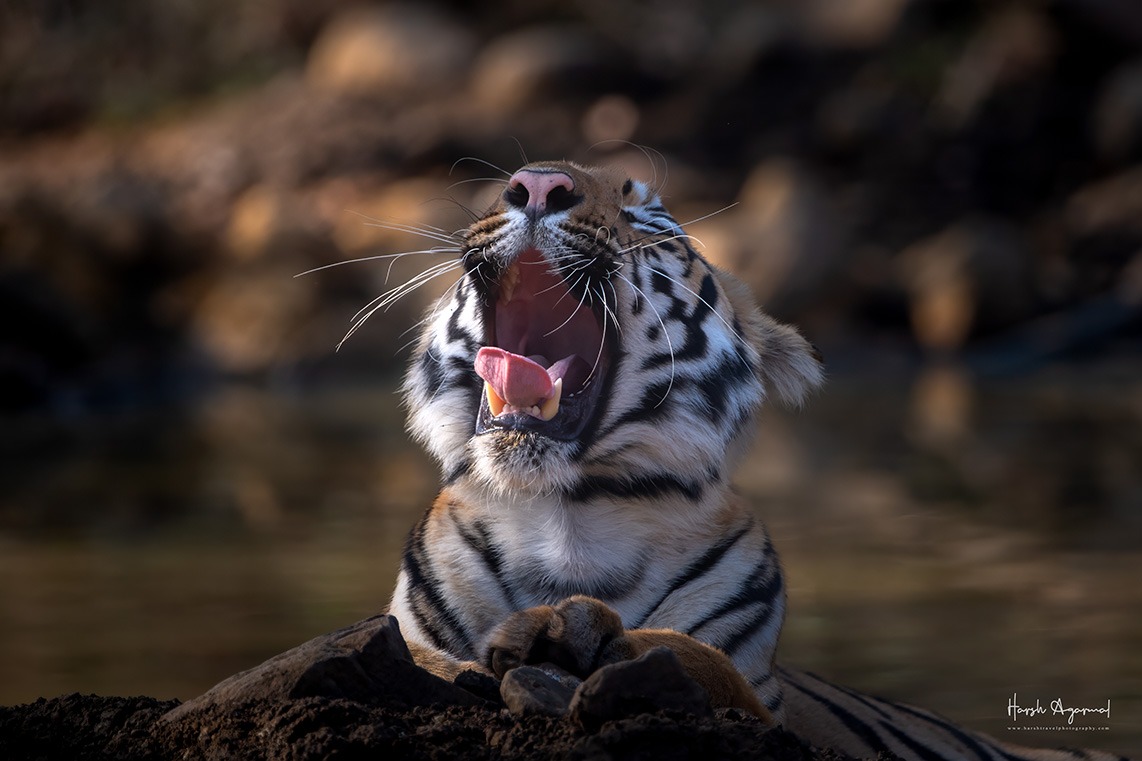
🐅 The Tiger Marathon: A Soul-Stirring Journey Through India’s Wild Heart There is a specific kind of silence that only exists in the Indian jungle just before a tiger emerges. It isn’t the absence of sound, but a heavy, electric tension where every bird and deer stands frozen. To experience this once is a gift; to experience it across the five most iconic landscapes of Central India is what we call the Tiger Marathon. This journey—looping through Tadoba, Pench, Kanha, Bandhavgarh, and Panna—is more than a safari. It is a deep-immersion masterclass in the raw power and poetic beauty of the Royal Bengal Tiger. The Ever-Changing Stage of the Wild What makes this expedition unique is the shifting "theatre" of the jungle. No two parks feel the same. Tadoba & Pench: You begin in the rugged, dry teak forests where the heat creates a dramatic backdrop. Tadoba is famous for its bold tigers that frequent the waterholes, while Pench offers the "Mowgli" landscape—rocky outcrops and open teaks where leopards and tigers play a lethal game of hide-and-seek. Kanha & Bandhavgarh: You then move into the "Evergreen Soul" of India. Kanha’s sprawling meadows and towering Sal trees feel ancient and regal. It is here you see the Barasingha (Swamp Deer) and the Indian Gaur. Bandhavgarh, by contrast, is intimate and steep, where tigers roam amidst 2,000-year-old fort ruins, making every sighting feel like a scene from a legend. Panna: The final wild stop brings you to the banks of the Ken River. Panna is a story of resurrection, a place where the deep gorges and sparkling water create a serene habitat for tigers and the elusive Sloth Bear. The Unique Idea: The "Predator’s Eye" Perspective The magic of this tour lies in the presence of Harsh Agarwal. The unique concept here isn't just "seeing" a tiger; it’s about the "Predator’s Eye" Perspective. When you travel with a master photographer and naturalist, the jungle stops being a wall of green and starts being a map of stories. You aren't just driving; you are learning to read the "alarm calls" of the Langur monkeys and the frantic whistles of the Chital deer. Harsh ensures you aren't just at the sighting, but positioned for the perfect light and angle. You learn to anticipate where the tiger will step next, allowing you to capture the "soul" of the animal rather than just its image. A Transition from Wild to Wonder As the "Marathon" of the jungle winds down, the tour takes a fascinating turn toward human artistry. In Khajuraho, you witness stone carvings that mirror the grace and sensuality found in nature. Finally, the journey concludes in Agra, where the Taj Mahal stands as the ultimate human tribute to beauty and devotion. The transition from the wild, unscripted power of a tiger in Bandhavgarh to the silent, symmetrical perfection of the Taj Mahal provides a profound realization: India is a land where the ferocity of nature and the delicacy of art are two sides of the same coin. Beyond the Stripes While the tiger is the undisputed king, the "Marathon" introduces you to the full supporting cast of the Indian wilderness. You’ll see Marsh Crocodiles basking like prehistoric logs, Wild Dogs (Dholes) hunting with terrifying coordination, and Indian Pythons draped like heavy ropes across the forest floor. This is a journey for the patient, the curious, and the creative. It is a 650-word story written in dust, stripes, and sunlight. By the time you return to Delhi, you won't just have a memory card full of photos; you will have a soul full of the jungle’s rhythm.
You may like
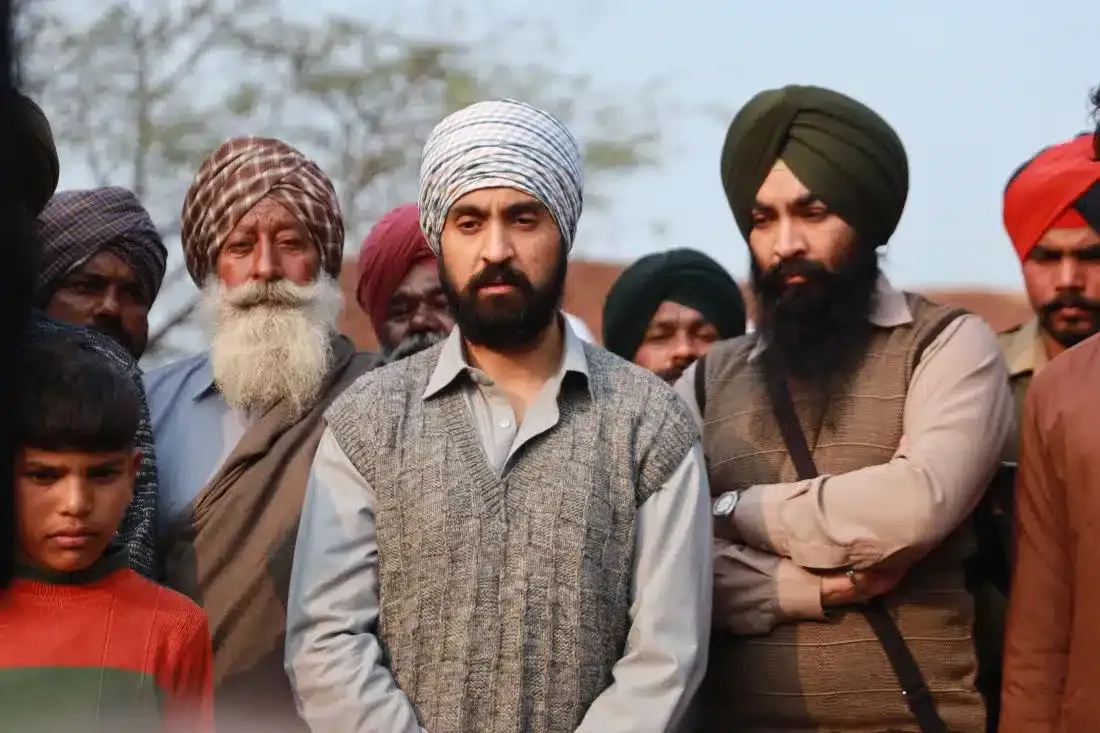
Why Satluj is unavailable in India
Why Satluj Is Unavailable in India
What Should Facility Managers Know Before Hiring a DAS Installation Company | Technologysnews.com
Public safety distributed antenna system
Salt City Billiards is designed to deliver a complete billiards experience. The facility features well-maintained…