

 Re-mark
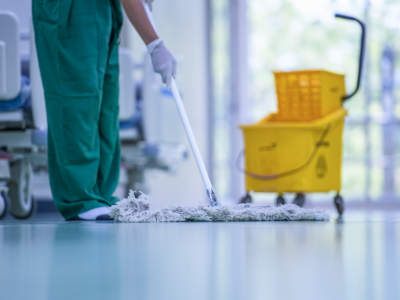
A guide to the types of cleaning in hospitals and their roles in patient safety Hospital environments are inherently complex, housing vulnerable populations who may already be battling illness. The significance of maintaining a clean and hygienic environment is paramount, especially when considering the prevalence of healthcare-associated infections (HAIs) that can risk patient safety. With an estimated 170,574 infections occurring annually in Australian public hospitals alone, effective cleaning practices play a vital role in reducing these infections and ensuring a safer environment for patients and healthcare workers. Additionally, the financial implications of HAIs are significant, costing the Australian healthcare system billions each year in extended hospital stays and additional treatments. This underscores the need for hospitals to prioritise cleaning protocols as part of their infection control strategies. By investing in comprehensive cleaning practices, your healthcare facility not only protects patients but also enhances their operational efficiency and reputation within the community. Exploring the essential types of cleaning in hospitals Hospitals employ a multifaceted approach to cleanliness, encompassing routine, terminal, and scheduled cleaning practices. Each method plays a vital role in preventing healthcare-associated infections (HAIs) and ensuring a safe environment for patients and staff. Routine cleaning Routine cleaning refers to the regular cleaning activities that take place in hospitals on a daily basis. The primary objective is to maintain a clean environment that minimises the risk of infection. High-touch areas such as doorknobs, light switches, and bed rails require special attention, as they are often the primary vectors for germs. By focusing on thorough cleaning of these surfaces, hospitals can significantly reduce the likelihood of HAIs. Terminal cleaning Terminal cleaning is performed after a patient is discharged or transferred. The main aim of this type of cleaning is to prevent cross-contamination for new patients who will occupy the same space. A thorough disinfection of all surfaces, including walls, floors, and medical equipment is a part of terminal cleaning. This process ensures that any pathogens left behind by previous occupants are effectively eliminated. Scheduled cleaning Scheduled cleaning involves regular maintenance tasks that occur at predetermined intervals. This type of cleaning is essential for maintaining hygiene standards over time, especially in facilities with high patient turnover. Scheduled cleaning helps ensure that less-frequented areas do not become neglected and that cleanliness is upheld throughout the hospital. Learning the essential best practices for types of cleaning in hospitals Implementing best practices tailored to routine, terminal, and scheduled cleaning enhances effectiveness and fosters a culture of safety for patients, as well as for visitors, and staff. Routine cleaning best practices For routine cleaning to be effective, staff should employ specific techniques tailored to patient occupancy. This includes using appropriate cleaning agents and methods that are effective against common pathogens. It’s advisable to use Good Environmental Choice Australia-accredited (GECA) cleaning chemicals, which are backed by ISO certifications and ensure relevant quality, safety, and environmental standards are met. Terminal cleaning best practices A detailed checklist guides terminal cleaning procedures to ensure thoroughness. The checklist typically includes steps such as removing all linens, disinfecting all surfaces, and ensuring that medical equipment is properly sanitised. Collaboration between cleaning staff and healthcare providers is essential during this process to identify any additional areas requiring attention. Scheduled cleaning best practices Efficient strategies for scheduled cleaning include creating a comprehensive plan outlining which areas will be cleaned and when. It’s important to use appropriate cleaning products that minimise contamination risks while ensuring no surfaces are overlooked during the process. Deducing why training and protocols are necessary for ensuring hospital cleanliness Training is crucial for cleaning staff to effectively adhere to established protocols. Regular training sessions help staff stay updated on best practices and new infection control measures. Since relying solely on visual monitoring for assessing cleanliness can be insufficient; implementing systematic checks is ideal to enhance accountability and effectiveness. Navigating the common challenges of hospital cleaning Cleaning staff face numerous challenges, including time constraints and staffing issues. High patient turnover can make it difficult to maintain rigorous cleaning standards consistently. To overcome these challenges, hospitals must prioritise adequate resources and training for their cleaning teams. This includes investing in advanced cleaning technologies, providing ongoing education about emerging pathogens, and effective disinfection methods. Understand different types of cleaning in hospitals – ensure patient safety! Each type of cleaning—routine, terminal, and scheduled—plays an integral role in ensuring patient safety within hospitals. By implementing best practices and fostering collaboration between cleaning staff and healthcare providers, hospitals can significantly reduce the risk of healthcare-associated infections. A commitment to cleanliness not only protects patients but also enhances the overall quality of care provided within healthcare facilities. Connect with a specialised cleaner providing " target="_blank" rel="noopener noreferrer">https://www.accordproperty.com.au/cleaning/">commercial cleaning in Sydney to find out how you can keep your property thoroughly cleaned to ensure patient safety.
You may like

Matte Visiting Cards
#MatteVisitingCards, #MatteFinish, #ElegantBusinessCards, #SmoothTouch, #PremiumQuality, #CustomMatteCards, #ModernDesign
Glossy Business Cards
#GlossyBusinessCards, #HighGlossFinish, #ShinyBusinessCards, #LuxuryVisitingCards, #PremiumPrinting, #ProfessionalDesign, #VibrantColors
Eco-Friendly Business Card
#EcoFriendlyBusinessCards, #SustainableDesign, #RecycledPaperCards, #GreenPrinting, #EcoBranding, #BiodegradableCards, #EnvironmentFriendly