

 Re-mark
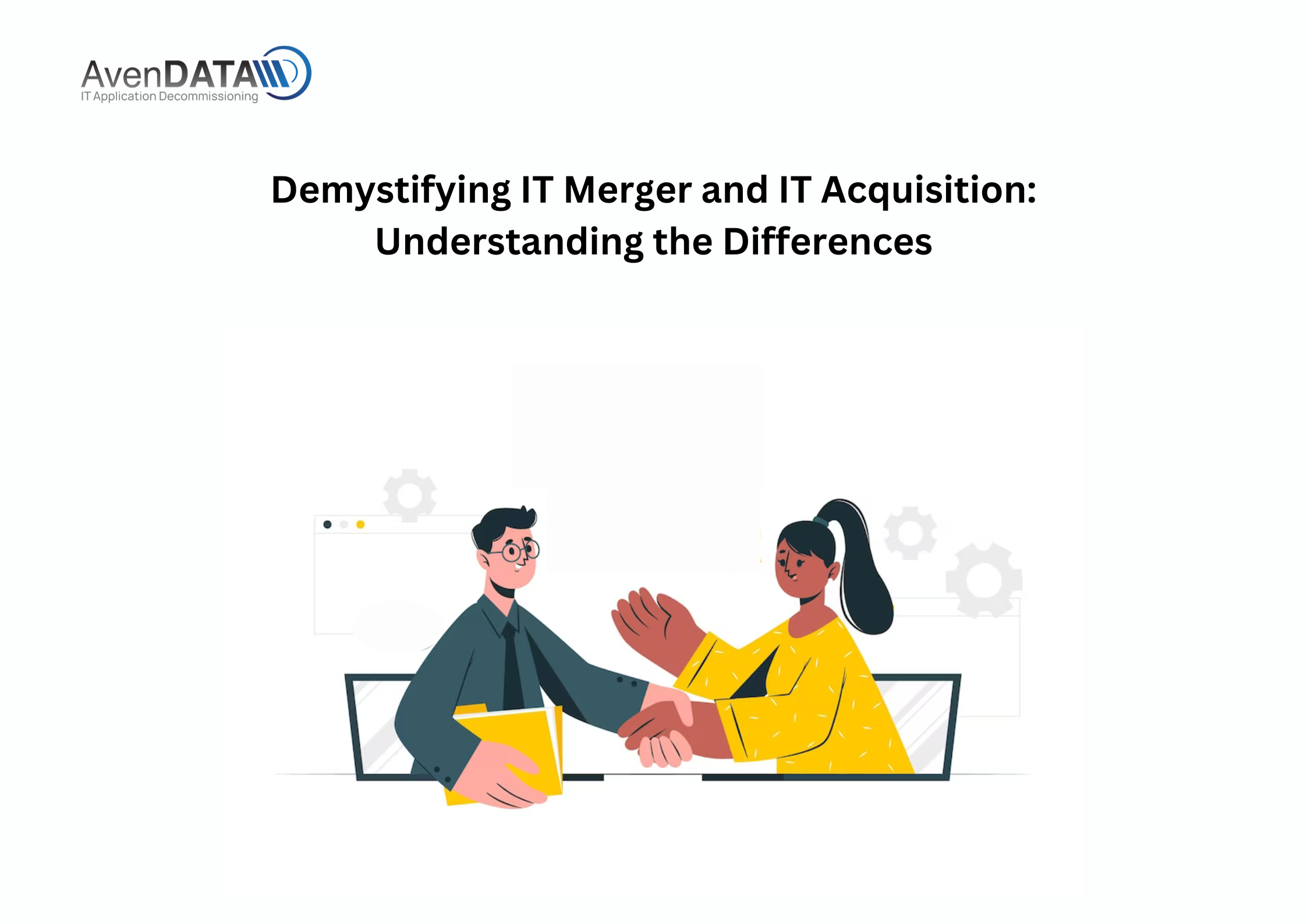
In the fast-paced world of business, growth often necessitates strategic decisions like mergers and acquisitions (M&A) within the IT sector. While these terms are often used interchangeably, they represent distinct approaches to achieving corporate objectives. This article delves into the differences between IT mergers and IT acquisitions to help organizations make informed decisions in their pursuit of growth and success. Defining IT Merger and IT Acquisition 1. IT Merger: Collaboration and Integration An IT merger is a strategic move in which two or more companies decide to combine their resources and operations into a single, cohesive entity. In an IT merger, the focus is on collaboration and integration. The result is often a new, unified organization that draws from the strengths of the merging entities. Both companies typically come together as equals, with shared control and decision-making. 2. IT Acquisition: Control and Expansion An IT acquisition, on the other hand, involves one company (the acquiring company) purchasing another company (the target company). In this scenario, the acquiring company gains control over the target company’s assets, operations, and intellectual property. The target company may retain some degree of autonomy, but it ultimately becomes a subsidiary of the acquiring company. Key Differences Now, let’s explore the primary differences between IT mergers and IT acquisitions: 1. Ownership and Control: — Mergers: In mergers, ownership and control are shared between the merging entities. There’s a sense of equality, with both companies contributing to the decision-making process. — Acquisitions: Acquisitions involve a clear distinction between the acquiring company, which assumes control, and the target company, which cedes control. The target company becomes a subsidiary. 2. Integration vs. Autonomy: — Mergers: Mergers emphasize integration and collaboration. The goal is to create a unified entity where both companies’ operations and resources are combined for mutual benefit. — Acquisitions: Acquisitions prioritize maintaining the autonomy of the target company. While some integration may occur, the target company’s operations often continue independently. 3. Cultural Considerations: — Mergers: Mergers require careful attention to cultural alignment. Combining corporate cultures is essential to ensure a harmonious transition. — Acquisitions: In acquisitions, there’s often less emphasis on cultural alignment, as the target company retains its culture to a greater extent. 4. Equity and Shareholder Value: — Mergers: Mergers typically involve a stock-swap or other equity-sharing arrangements, preserving the value for both sets of shareholders. — Acquisitions: Acquisitions often result in the acquiring company paying a premium for the target company’s assets, which can impact shareholder value differently. 5. Regulatory and Legal Aspects: — Mergers: Mergers may face less regulatory scrutiny compared to acquisitions, as the focus is on the merger of equals. — Acquisitions: Acquisitions often undergo rigorous regulatory and legal evaluations due to the transfer of control and assets. Conclusion Understanding the differences between IT mergers and IT acquisitions is crucial for organizations considering these strategic moves. Each approach has its advantages and challenges, and the choice depends on the specific goals and circumstances of the companies involved. Whether seeking collaboration and integration through a merger or control and expansion through an acquisition, careful planning and execution are essential for a successful outcome. Know more : https://avendata.com/ca/mergers-and-acquisitions #AvenDATA #ITmergers #mergersandacquisitions #itacquisitions #itsystems #legacysystems
You may like

Matte Visiting Cards
#MatteVisitingCards, #MatteFinish, #ElegantBusinessCards, #SmoothTouch, #PremiumQuality, #CustomMatteCards, #ModernDesign
Glossy Business Cards
#GlossyBusinessCards, #HighGlossFinish, #ShinyBusinessCards, #LuxuryVisitingCards, #PremiumPrinting, #ProfessionalDesign, #VibrantColors
Eco-Friendly Business Card
#EcoFriendlyBusinessCards, #SustainableDesign, #RecycledPaperCards, #GreenPrinting, #EcoBranding, #BiodegradableCards, #EnvironmentFriendly