

 Re-mark

In today’s fast-paced business environment, mergers and acquisitions (M&A) have become common strategies for growth and market expansion. While these transactions can bring numerous benefits, they also present significant challenges, especially in the realm of Information Technology (IT). This article explores the intricacies of IT mergers, highlighting strategies and best practices to ensure a seamless transition and maximize the potential for success. Understanding IT Mergers An IT merger is a consolidation of technology infrastructure and systems resulting from the merging of two or more companies. These mergers can be driven by various factors, such as expanding market reach, cost savings, synergy opportunities, or the desire to remain competitive in a rapidly evolving technological landscape. Key Challenges in IT Mergers Successful IT mergers require addressing several complex challenges: 1. Technology Integration: Combining diverse IT infrastructures, software applications, and data systems can be a daunting task. Ensuring compatibility and efficiency is critical. 2. Data Migration: Transferring and harmonizing large volumes of data from multiple sources can lead to data integrity issues and downtime if not executed meticulously. 3. Cultural Differences: Integrating IT teams from different organizational cultures can result in conflicts and productivity disruptions. 4. Cybersecurity Risks: Mergers can create security vulnerabilities, and ensuring the protection of sensitive data is paramount. 5. Cost Management: Balancing the costs of integration with the expected benefits can be a significant challenge. Strategies for Successful IT Mergers 1. Thorough Due Diligence: Conduct a comprehensive assessment of the IT assets, systems, and processes of both organizations. Identify potential challenges and compatibility issues upfront. 2. Clear Communication: Establish transparent communication channels to keep employees informed about the merger’s progress and its impact on their roles. 3. IT Integration Team: Form a dedicated team with expertise in IT integration to oversee the process, address technical challenges, and manage timelines effectively. 4. Data Mapping and Migration: Develop a meticulous plan for data mapping, extraction, transformation, and loading (ETL). Ensure data accuracy and minimize downtime. 5. Cultural Integration: Foster a collaborative culture among IT teams by emphasizing shared goals, values, and best practices. Encourage open dialogue to resolve conflicts promptly. 6. Cybersecurity Measures: Prioritize cybersecurity by conducting vulnerability assessments, implementing robust security protocols, and ensuring compliance with data protection regulations. 7. Change Management: Provide training and support to help employees adapt to new IT systems and workflows. Address their concerns and create a positive atmosphere of change acceptance. 8. Cost Optimization: Continuously monitor IT-related expenses and identify opportunities for cost savings while maintaining service quality. 9. Post-Merger Evaluation: After the merger, conduct regular assessments to gauge the effectiveness of IT integration and identify areas for improvement. Conclusion IT mergers are complex undertakings that require meticulous planning, clear communication, and a dedicated focus on integration challenges. When executed with precision, these mergers can result in streamlined operations, enhanced competitiveness, and a stronger market position. By following the strategies outlined in this article, organizations can navigate the IT merger landscape more effectively and realize the full potential of their combined resources. Know more : https://avendata.com/ca/mergers-and-acquisitions #AvenDATA #ITmergers #mergersandacquisitions #itsystems #legacysystems
You may like

Matte Visiting Cards
#MatteVisitingCards, #MatteFinish, #ElegantBusinessCards, #SmoothTouch, #PremiumQuality, #CustomMatteCards, #ModernDesign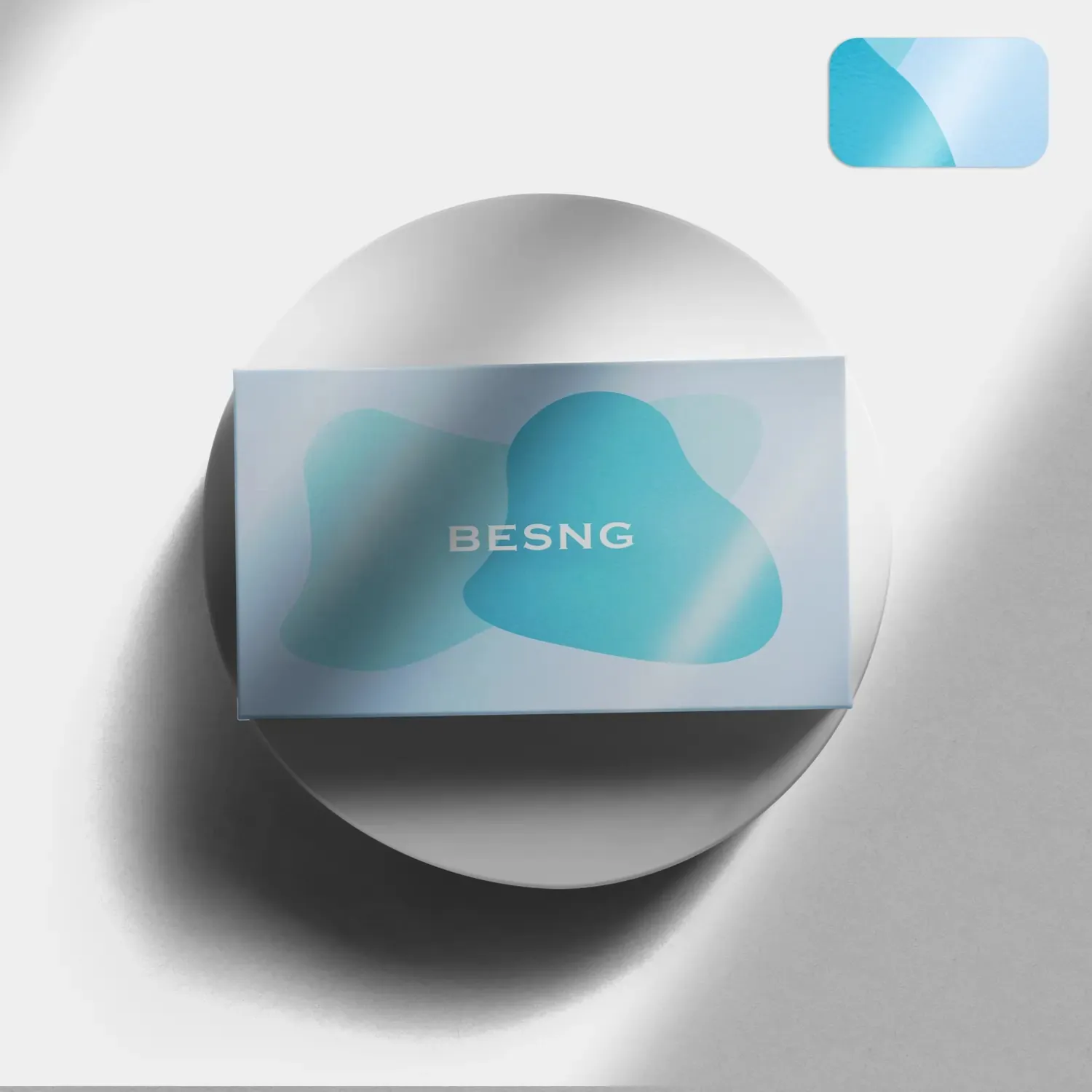
Glossy Business Cards
#GlossyBusinessCards, #HighGlossFinish, #ShinyBusinessCards, #LuxuryVisitingCards, #PremiumPrinting, #ProfessionalDesign, #VibrantColors
Eco-Friendly Business Card
#EcoFriendlyBusinessCards, #SustainableDesign, #RecycledPaperCards, #GreenPrinting, #EcoBranding, #BiodegradableCards, #EnvironmentFriendly