

 Re-mark
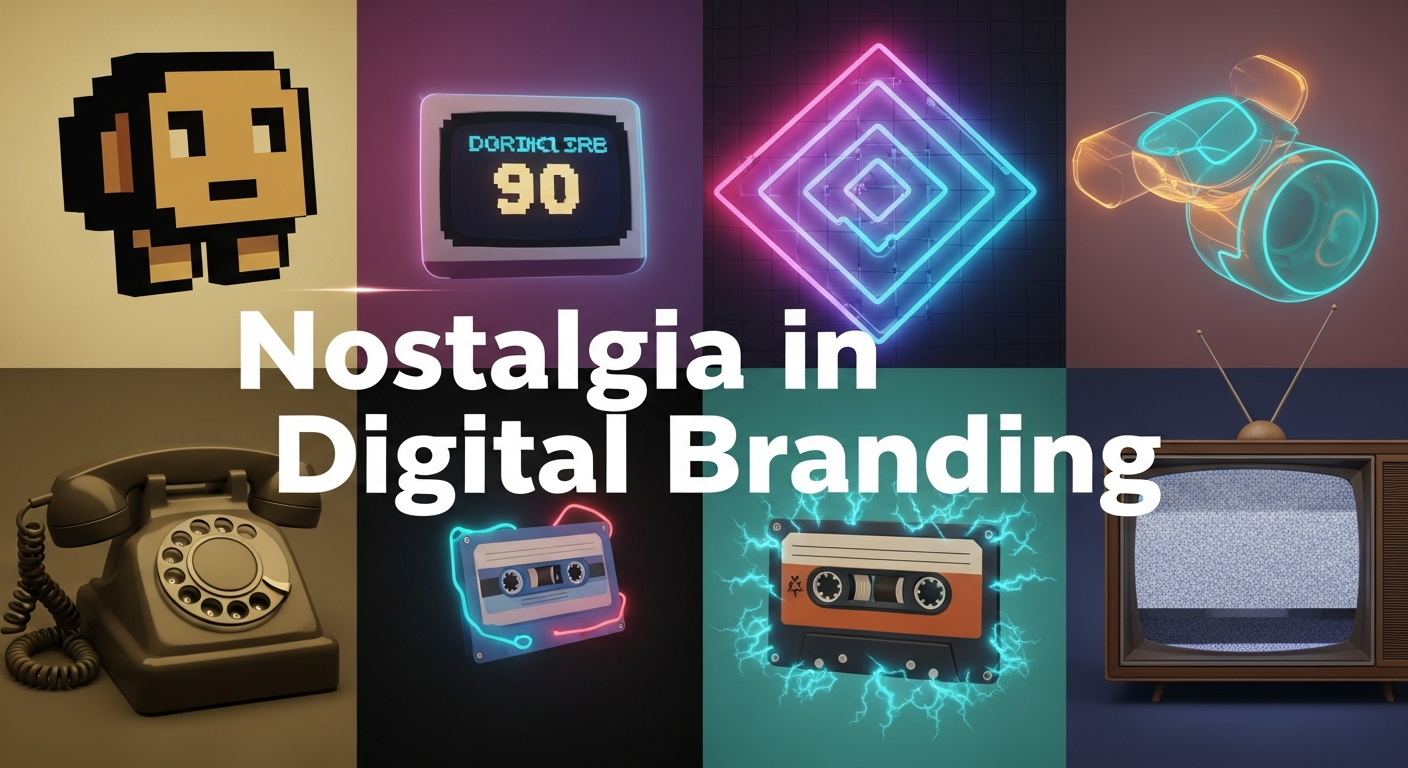
In a world obsessed with the "next big thing," the most effective way to capture consumer attention might actually be looking backward. Nostalgic branding in digital marketing has emerged as a powerhouse strategy for businesses seeking to cut through the clinical noise of modern algorithms. By tapping into shared cultural memories and personal histories, brands can bypass traditional sales resistance and forge an immediate, heart-centered connection. This approach transforms a standard marketing message into a comforting experience, providing audiences with a sense of stability and warmth in an increasingly unpredictable digital landscape. The Neurological Pull of Memory Marketing At its core, nostalgia is more than just a sentimental "throwback." It is a sophisticated psychological tool that triggers the brain’s reward system. When consumers encounter familiar imagery or sounds from their youth, the brain releases dopamine, creating an instant positive association with the brand. This isn't just about being "old school"; it's about neurobiology. According to insights shared by Brand Promo Tips, this emotional response functions as a shortcut to building brand equity. Instead of spending months trying to establish trust through cold features and benefits, brands can leverage existing positive memories to create a "halo effect." When a consumer feels good remembering the past, those feelings are naturally transferred to the product or service currently on their screen. Why Retro Strategies Win in the Digital Age The transition to digital-first communication has, ironically, made us crave the analog past. There are several reasons why nostalgic branding in digital marketing is performing so well today: Combatting Digital Fatigue: In a world of sleek, hyper-modern interfaces, "retro" visuals provide a refreshing, human, and textured alternative. Intergenerational Versatility: A well-crafted campaign can appeal to Baby Boomers through 1960s aesthetics while simultaneously engaging Gen Z via the "Y2K" trends they currently find "vintage" and authentic. Enhanced Shareability: Nostalgic content is inherently social. It encourages users to tag friends with comments like "Remember this?"—exponentially increasing organic reach. Narrative Strength: Using a specific era as a backdrop provides an instant story, giving the brand a "soul" and a sense of history that new competitors often lack. A Strategic Framework: Moving Beyond the Filter Successfully integrating nostalgia into a modern brand identity requires more than just applying a grain filter to a video. It demands a structured, multi-layered approach to ensure the campaign feels like a tribute rather than a hollow gimmick. 1. Discover Your Authentic Heritage The first step is identifying touchpoints that truly belong to your brand. If you are an established company, this might mean reviving a classic logo from thirty years ago. For newer startups, it involves aligning with cultural movements that reflect your core values. Authenticity is the currency of nostalgia; if the connection feels forced, the audience will sense it immediately and disengage. 2. Crafting the Multi-Sensory Journey Digital platforms allow for a layered experience that targets multiple senses: Visual Elements: Utilizing "8-bit" pixel art, neon "vaporwave" color palettes, or typography styles from the 1970s. Auditory Triggers: Incorporating low-fidelity beats, iconic arcade sound effects, or modern remixes of classic brand jingles. Interactive Design: Creating microsites that mimic old operating systems or developing simple, "old-school" browser games that reward participation. 3. Maintaining Omni-Channel Synergy As emphasized by Brand Promo Tips, consistency is vital for resonance. A nostalgic campaign should flow seamlessly from a "Throwback Thursday" social media post to a custom-designed email newsletter, and finally to a dedicated landing page. This creates an immersive world for the consumer, making the brand feel like a reliable bridge between their cherished past and their modern present. 4. The Power of "Newstalgia." The most successful modern brands use "Newstalgia"—the practice of blending vintage aesthetics with cutting-edge technology. This ensures that while the user feels a sense of sentimentality, they aren't frustrated by outdated functionality. Your website should look like a 90s magazine but function with the speed and security of a modern 2026 platform. Measuring the Impact of the Past To ensure your strategy is driving growth, you must look beyond "likes." Analyze engagement depth: are people sharing their own personal stories in your comments section? Monitor conversion rates on "retro" vs. "modern" ad creatives. Often, the emotional safety provided by nostalgic themes leads to a higher "add-to-cart" rate because consumers feel a deeper, pre-existing loyalty to the brand’s identity. Conclusion: The Timelessness of Connection Nostalgic branding in digital marketing proves that while technology evolves, the human heart remains constant. By celebrating the memories that shaped us, brands can move beyond being mere vendors and become a cherished part of their customers' lives. In an increasingly automated and abstract world, the brands that win will be the ones that remember to stay human by honoring the past while building the future. Read the full article here: https://www.brandpromotips.com/nostalgic-branding-in-digital-marketing/
You may like

Best Miniature Model Making Services for Realistic Project Presentation
Best miniature model making services provide…

NS Jewellers stands out as a dependable jewellery shop in Siliguri for people who want beauty with trust. They present…
Jewellery Shop Siliguri
Graphic Design Company in Delhi for Creative Brand Growth
graphic designer, Graphic Design, Graphics Design