

 Re-mark
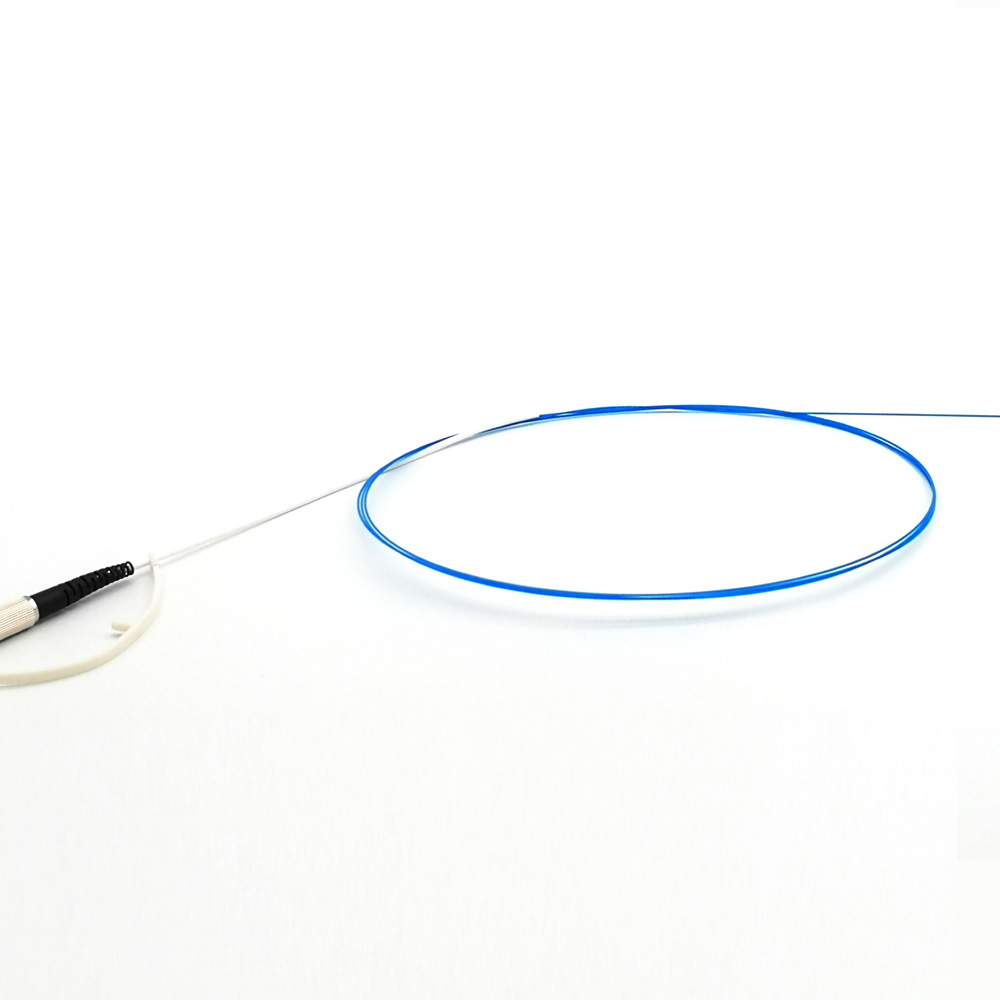
In minimally invasive urology, the efficiency of laser lithotripsy is fundamentally dictated by the physical constraints of the delivery system. Given that the Ho:YAG laser (2100nm) has an exceptionally high absorption coefficient in water-rich environments, the Holmium Fiber must be engineered to withstand intense peak power without premature fiber burn-back.
By utilizing High-OH (synthetic silica) cores, these fibers minimize internal energy attenuation and localized heating. When coupled with a precise Numerical Aperture (NA) of 0.22, they ensure optimal beam divergence, focusing the laser energy strictly on the calculus surface while mitigating collateral thermal damage to surrounding mucosal tissues. Furthermore, the development of ultra-flexible cladding allows even 200µm fibers to maintain high transmission rates at extreme deflection angles within flexible ureteroscopes—a critical requirement for accessing the lower renal pole.
You may like
Content-
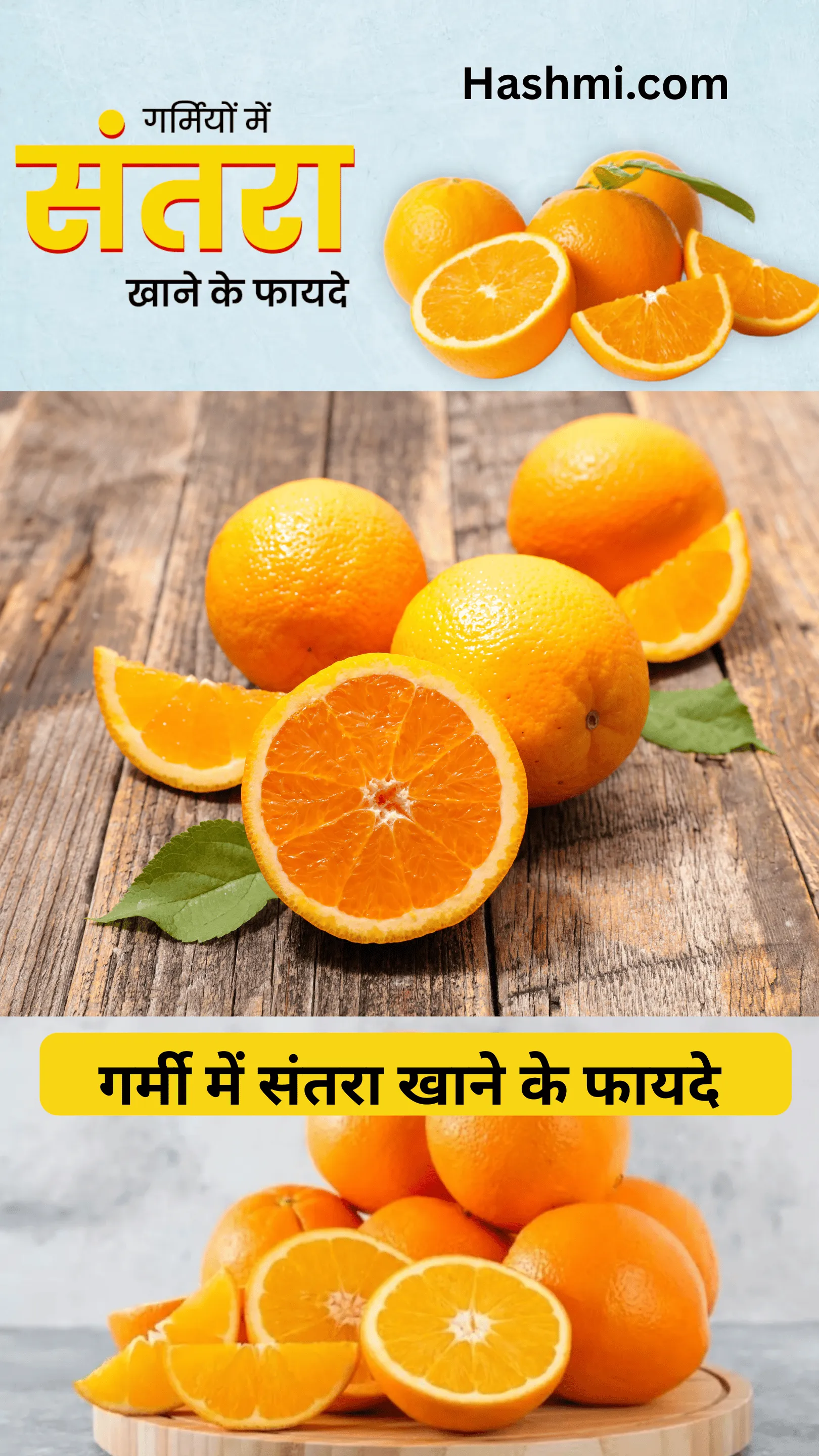
गर्मी में संतरा खाने के फायदे गर्मी में संतरा खाने से शरीर में पानी की कमी पूरी होती जिस्से बॉडी डिहाइड्रेशन…

Struggling with health issues? If you need time off work, understanding the process is key. At Get Healthcare UK, we…

Need a reliable Private Ambulance Service in Lucknow? Ansh Ambulance Service provides safe patient transportation for…
Private Ambulance in Lucknow, lucknow ambulance service, best ambulance service in lucknow