
 Re-mark
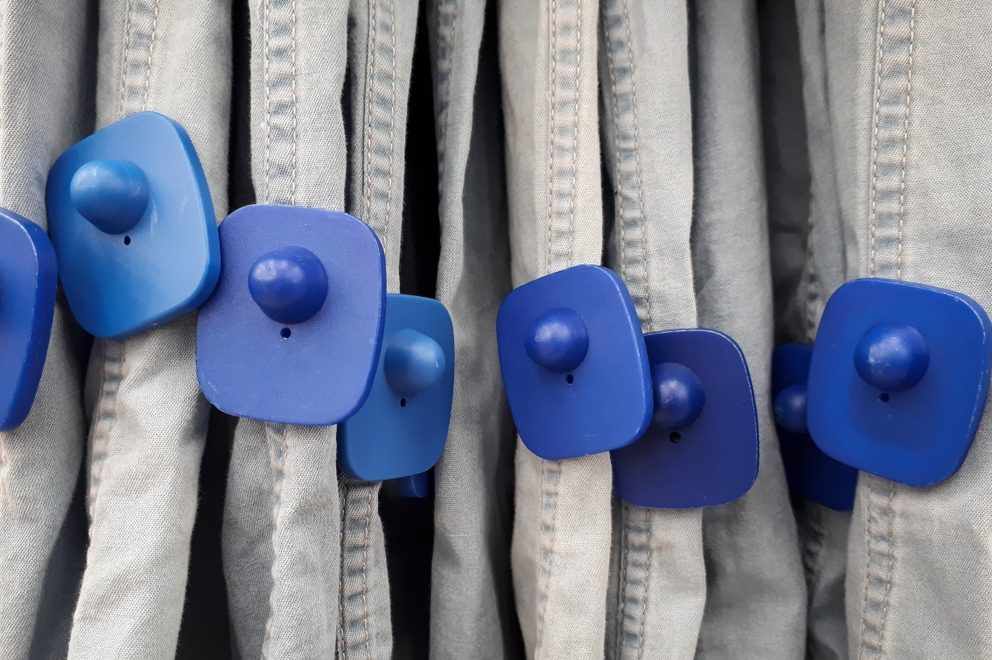
Leading ways to improve hospital linen standards with textile rental management software Maintaining hospital linen standards is essential for patient safety and operational efficiency. Hospitals manage large quantities of linens, including bed sheets, towels, staff uniforms, and surgical drapes. This requires overseeing inventory, ensuring proper cleanliness, and minimising wastage, while adhering to strict hygiene standards. Historically, linen management has involved a labour-intensive process with potential for human error and inefficiencies. Manual tracking and inventory methods may result in shortages, overstocking, and elevated operational costs. Additionally, in settings where cleanliness is essential, any lapse in linen management could affect patient care and safety. Textile rental management software provides a solution that changes how hospitals handle linen standards. By using advanced technology, these systems offer a complete approach to streamline linen management, improve hygiene protocols, and optimise resources. This article examines the primary ways in which textile rental management software is enhancing hospital linen standards in Australia and internationally. Automated inventory management One of the foremost advantages of textile rental management software lies in its capacity to automate inventory processes. By incorporating technologies such as RFID, hospitals are enabled to monitor their linen inventory in real time with exceptional accuracy. This degree of precision is paramount in a healthcare context, where even minor discrepancies can lead to significant repercussions. The use of RFID technology has demonstrated significant results. Research indicates that the accuracy of RFID asset tracking ranges from 99% to 99.9%, which is an improvement over manual methods. This high level of accuracy helps reduce loss and theft and ensures that linen stocks are maintained at optimal levels. The software monitors linen usage trends and automatically generates orders based on multiple sources, preventing shortages without overstocking. This method removes the need for manual counting and tracking, reducing the likelihood of human error and allowing staff to focus on other tasks. Enhanced linen tracking and accountability Textile rental management software enhances linen tracking by assigning unique identifiers to each item. This detailed method enables hospitals to oversee the complete lifecycle of every piece of linen, from its initial deployment to its final retirement. By maintaining detailed records of each item’s usage and cleaning history, hospitals can decide when to replace linens based on actual wear and tear instead of set schedules. This approach ensures the provision of clean, well-maintained linens and maximizes the lifespan of each item, leading to cost savings over time. This level of tracking significantly enhances accountability across departments. The software can monitor linen usage across various areas and ensure adherence to return policies, thereby reducing the risk of linens being misplaced or improperly stored. Moreover, this detailed tracking is critical in preventing cross-contamination by guaranteeing that linens from different hospital areas are not mixed during the laundering process. Improve hospital linen standards with the right software innovation Textile rental management software is crucial for improving hospital linen standards by automating inventory, enhancing tracking, ensuring hygiene compliance, controlling costs, and enabling data-driven decisions. By adopting a " target="_blank" rel="noopener noreferrer">https://bundlelaundry.com/2024/11/12/leading-ways-to-improve-hospital-linen-standards-with-textile-rental-management-software/">laundry management system, hospitals can guarantee adherence to the highest standards of linen management, thereby enhancing patient outcomes and streamlining the healthcare system. Looking ahead, it is evident that textile rental management software will be instrumental in establishing new benchmarks for hospital linen standards.
You may like
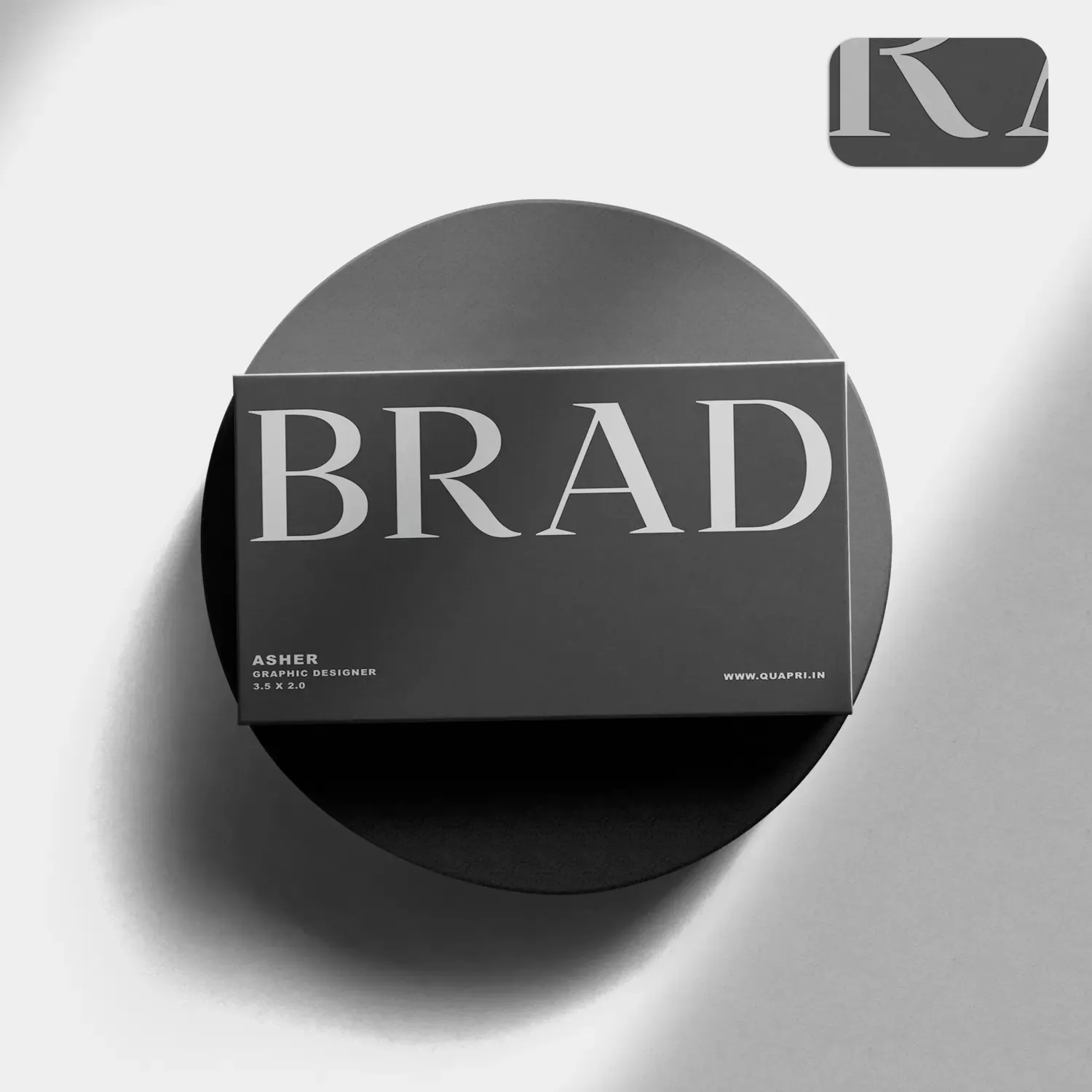
Matte Visiting Cards
#MatteVisitingCards, #MatteFinish, #ElegantBusinessCards, #SmoothTouch, #PremiumQuality, #CustomMatteCards, #ModernDesign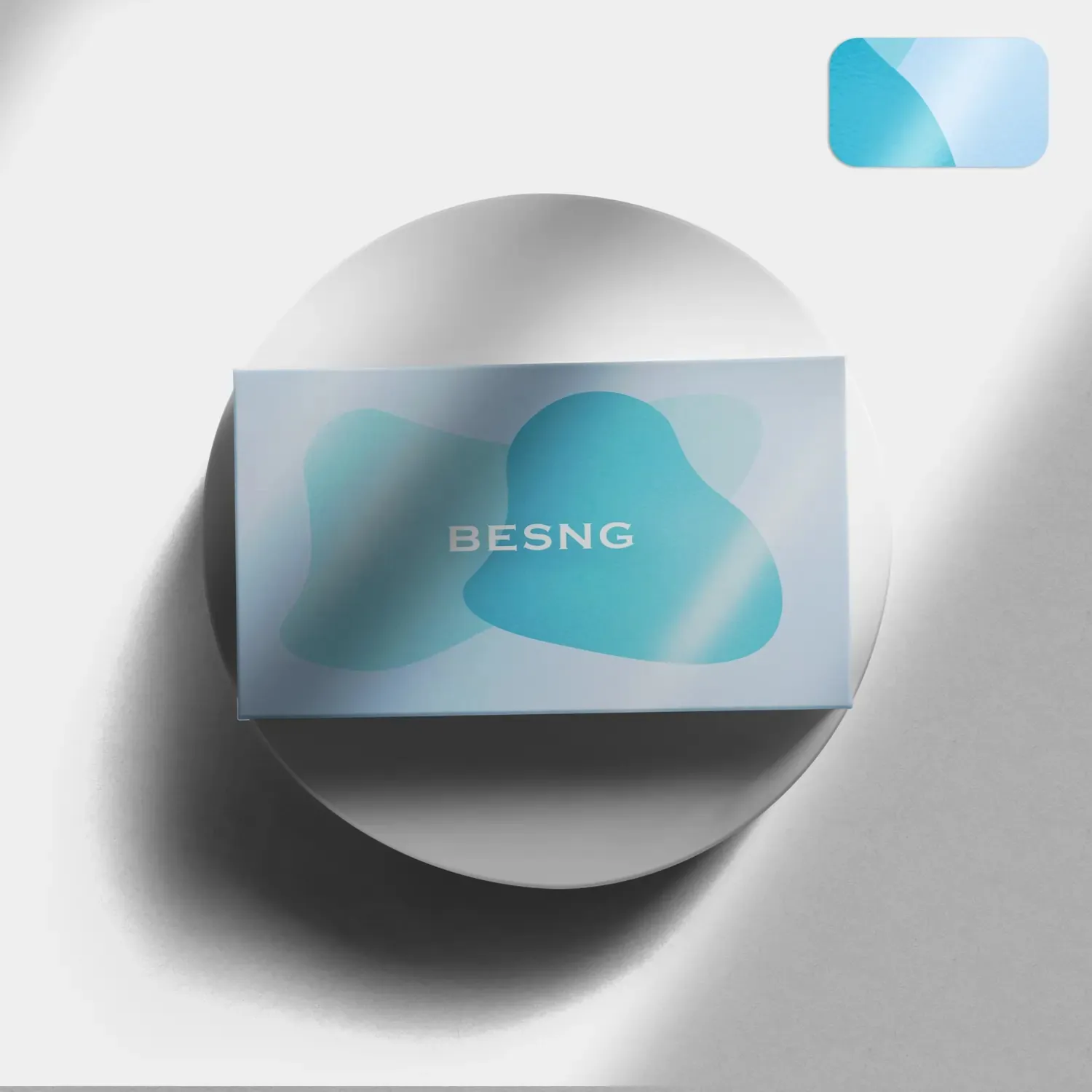
Glossy Business Cards
#GlossyBusinessCards, #HighGlossFinish, #ShinyBusinessCards, #LuxuryVisitingCards, #PremiumPrinting, #ProfessionalDesign, #VibrantColors
Eco-Friendly Business Card
#EcoFriendlyBusinessCards, #SustainableDesign, #RecycledPaperCards, #GreenPrinting, #EcoBranding, #BiodegradableCards, #EnvironmentFriendly