

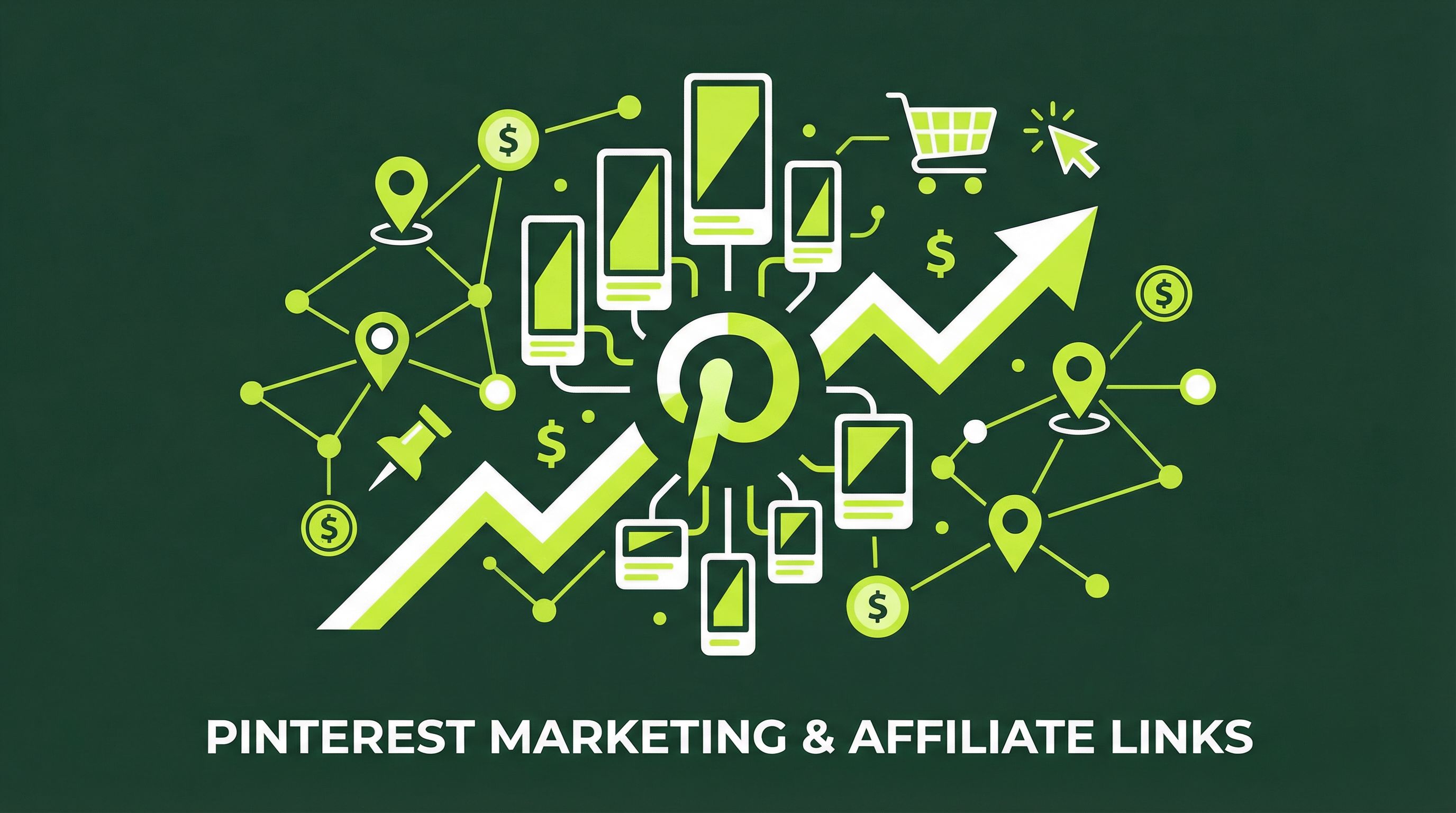
How to Start Affiliate Marketing: Complete Beginner's Guide Tired of seeing "gurus" flash Lamborghini rentals while claiming affiliate marketing is a "get rich quick" scheme? Here's the truth that took me years to learn: most beginners fail not because affiliate marketing doesn't work, but because they overcomplicate it from day one. Credibility This guide distills proven strategies from successful affiliate marketers and industry research. No flashy income screenshots. Just actionable steps that work. What You'll Learn How to choose your first affiliate offer without analysis paralysis The simple tech setup that costs under $50 to get started Content strategies that build trust (and commissions) over time Traffic sources that work for beginners with zero ad budget Common pitfalls that trip up 90% of new affiliates A realistic timeline for your first commission Ready to skip the trial and error?** How to start earning online by sharing a link, complete affiliate system included! Step 1: Understanding What Affiliate Marketing Actually Is Picture this: You recommend a great restaurant to a friend. They go, love it, and the restaurant sends you a thank-you check for the referral. That's affiliate marketing in its simplest form. You partner with companies (merchants) who pay you commissions for sending customers their way. When someone clicks your unique affiliate link and makes a purchase, you earn a percentage. No inventory. No customer service. No shipping hassles. But here's where beginners get stuck. They think they need to promote everything to everyone. The reality? The most successful affiliates focus on specific niches where they can genuinely help people solve problems. Whether it's fitness equipment for home gym enthusiasts or productivity software for remote workers, specificity wins. The beauty of this model is its scalability. One piece of content can generate commissions for years. A single YouTube video or blog post can continue earning while you sleep, vacation, or work on your next project. Step 2: Choosing Your First Affiliate Program Walking into affiliate marketing without a program is like showing up to a potluck empty-handed. You need something to offer. But with thousands of programs available, how do you choose? Start with what you already use and love. That meditation app that changed your morning routine? The email software that organizes your inbox? These make perfect first programs because your enthusiasm comes through authentically. Look for programs with: Products that solve real problems Commission rates that justify your effort (30%+ for digital products, 5–10% for physical) Cookie durations longer than 30 days Reliable payment schedules Amazon Associates is popular for beginners, but their 24-hour cookie window is short. Digital products often pay better and have longer tracking periods. Consider exploring our affiliate traffic matrix to understand how different programs fit various traffic strategies. Don't overthink this step. Your first program won't be your last. Pick something reasonable and move forward. Step 3: Setting Up Your Simple Foundation You don't need a $5,000 website to start. You don't need fancy funnels or complicated email sequences. What you need is a place to share your recommendations and collect clicks. A basic WordPress site costs under $50/year for hosting and a domain. That's it. No premium themes. No expensive plugins. Just a clean, fast site where you can publish content. If even that feels overwhelming, start with platforms you already use. YouTube channels, Medium accounts, or Pinterest profiles can all host affiliate links. The key is owning some digital real estate where you control the content. For your website, focus on these essentials: An "About" page that builds trust A privacy policy and disclosure page (legally required) A clean design that loads fast Mobile responsiveness Remember, perfection is the enemy of progress. Your first site won't be your last. Launch simple and improve over time. Step 4: Creating Content That Converts Here's the uncomfortable truth: nobody cares about your affiliate links. They care about solving their problems. Your content needs to bridge that gap. Think about the last time you bought something online. You probably searched for reviews, comparisons, or "how-to" guides first. Your audience does the same thing. They want honest insights from someone who's been there. The best affiliate content answers specific questions: "What's the best [product] for [specific situation]?" "[Product A] vs [Product B]: Which should you choose?" "How to [achieve result] using [product]" Notice what these have in common? They serve the reader first. The affiliate link is secondary. Write like you're helping a friend make a decision. Share pros AND cons. Be honest about who the product is NOT for. This transparency builds trust, and trust drives conversions. Step 5: Driving Your First Traffic Content without traffic is like a billboard in the desert. Beautiful, but pointless. The good news? You don't need millions of visitors to make your first commission. Start with one traffic source and master it. Spreading yourself across ten platforms guarantees mediocrity on all of them. Pick the one that aligns with your strengths: Love writing? Start a blog and focus on SEO. Comfortable on camera? YouTube is your playground. Visual and creative? Pinterest can drive serious traffic. Good at short-form content? TikTok or Instagram Reels. The key is consistency. One blog post per week. One video per week. One Pin per day. Small actions compound over time. For a comprehensive breakdown of traffic strategies, check out our additional traffic strategies guide. It covers methods beyond the basics. 💡 Pro Tip Your first 90 days should focus entirely on content creation, not optimization. Don't obsess over perfect SEO or conversion rates yet. Get 20 pieces of content published first. Volume beats perfection when you're learning. 📌 ACTION STEP: Your 7-Day Launch Plan Day 1: Research and choose your niche + first affiliate program Day 2: Set up your basic website or chosen platform Day 3: Create your About page and disclosure policy Day 4: Write your first product review or comparison post Day 5: Set up your social media profiles for your chosen traffic source Day 6: Create and publish your first piece of platform-specific content Day 7: Share your content in relevant communities (without overposting) Your Path Forward: Two Options Option 1: The DIY Route Spend months figuring things out through trial and error. Learn from free resources, make mistakes, adjust, and eventually find what works. This path costs less money but requires significant time investment and patience. Option 2: The Accelerated Path Follow a proven framework that reduces guesswork. Get step-by-step guidance, templates, and strategies that have already been tested. This requires investment upfront but saves months of frustration. Both paths can lead to success. The question is: how much is your time worth? Want ongoing strategies and updates as you build? Get affiliate marketing news and tutorials to stay ahead of the curve. Ready to Start Your Affiliate Journey? The difference between those who succeed and those who don't isn't talent or luck. It's simply starting. Right now, with what you have, where you are. You don't need another course. You don't need perfect conditions. You need to take the first step. Want a system that simplifies the process for you?** How to start earning online by sharing a link, complete affiliate system included! Disclaimer Results vary significantly in affiliate marketing. While some affiliates earn substantial income, others earn little or nothing. Your results depend on factors including niche selection, effort invested, market conditions, and individual skills. This guide provides educational information only and does not promise any specific earnings.
You may like

Herramientas Neumáticas Mannesmann DEMAG | Vacupres
7 Powerful Truths Every Seller Must Know About Amazon Marketing Services Before Spending a Dollar by Olivia Harper
amazon marketing services
5 Powerful Reasons Why Best Shopify Automation Services Can Transform Your Business | Articles | Olivia Harper | Gan Jing World - Technology for Humanity | Video & Movie Streaming
Shopify automation services