
 Re-mark
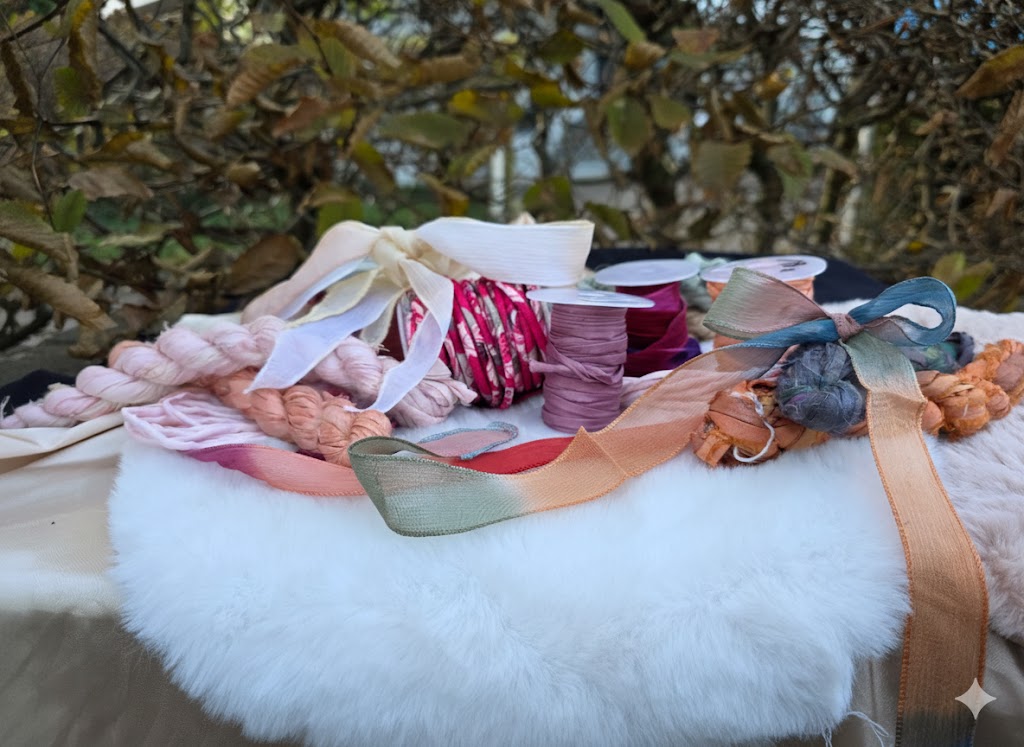
Designers often choose silk when they want to soften the overall look of a jewellery piece, introducing colour in a way that feels light and natural rather than heavy or overpowering. Thanks to its smooth, tactile surface, silk creates a skin-friendly wearing experience, adding comfort as well as elegance. At the same time, it works as a perfect counterbalance to harder materials such as metal or stone, helping to create harmony between structure and softness. For these reasons, silk naturally invites experimentation and storytelling, allowing designers to express emotion, movement, and identity through their creations. Silk allows jewellery design to move fluidly between simplicity and expression. In necklaces, it becomes a visible and defining element: minimalist silk cords emphasise colour and lightness, while pendants gain a softer, more contemporary feel when silk replaces traditional metal chains. Wider silk ribbons and layered strands introduce volume, texture, and movement, making silk necklaces particularly suitable for both everyday elegance and more artistic collections. The same qualities make silk an ideal material for bracelets. Soft and flexible, it naturally wraps around the wrist, creating pieces that feel comfortable and personal. Knotted silk bracelets, bead designs where silk replaces metal links, adjustable cords, and stackable combinations all highlight silk’s ability to convey intimacy, craftsmanship, and emotional value. In earrings, silk brings an unexpected textile dimension. Tassels, fringe elements, and lightweight drops introduce motion and softness, while mixed-material designs combine silk with pearls, stones, or metal for contrast. Thanks to its lightness, silk creates visual impact through movement rather than weight, completing a jewellery language defined by fluidity, comfort, and expressive design.
You may like
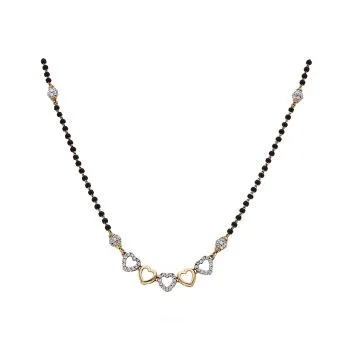
Discover the elegance of black beads short gold chain at CMR Jewellery. Explore beautifully crafted gold chains…
black beads short gold chain
Minimalist Home Décor: Clean & Elegant Lighting Inspirations | Besthomedesigns.org
decorative lights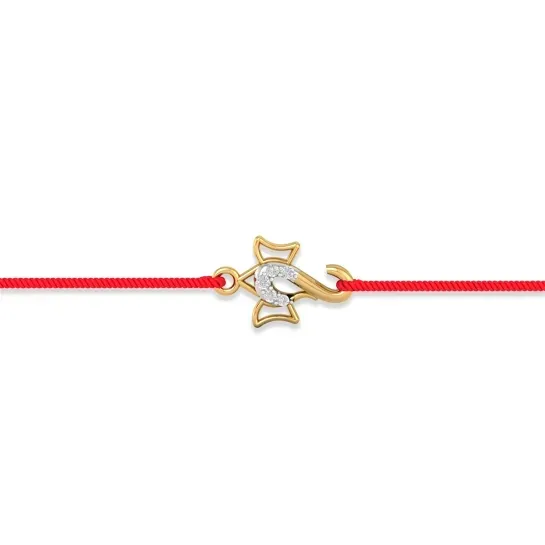
✨ Dishis Designer Jewellery offers exquisite gold, diamond, silver, and gemstone jewellery crafted with elegance and…
gold rakhi, rakhi , veneteshwar rakhi