

 Re-mark

After-sales service is a crucial aspect of customer satisfaction and retention. It involves the support and assistance provided to customers after they have purchased a product or service. Here are nine valuable tips for effective after-sales service: Prompt Response: • Respond to customer inquiries and issues promptly. Timely communication shows that you value your customers' time and concerns. • Implement a system for tracking and managing customer queries to ensure no request is overlooked. Clear Communication: • Provide clear and concise information about the product or service, including instructions, warranties, and maintenance tips. • Use plain language and avoid technical jargon, ensuring that customers can easily understand the information. Personalization: • Tailor your after-sales service to the individual needs and preferences of the customer. Personalized interactions make customers feel valued. • Use customer data to anticipate their needs and offer relevant recommendations or solutions. Effective Training: • Ensure that your customer service representatives are well-trained and knowledgeable about the products or services you offer. • Training should include troubleshooting techniques, product knowledge, and effective communication skills. Feedback Collection: • Actively seek feedback from customers about their experiences with your products and after-sales service. • Use surveys, feedback forms, or social media to gather insights, and use this information to improve your processes. Proactive Problem Solving: • Anticipate potential issues and proactively address them before they become major problems. • Provide customers with troubleshooting guides, FAQs, or proactive maintenance tips to prevent common issues. Convenient Support Channels: • Offer various channels for customer support, such as phone, email, chat, and social media. Ensure these channels are easily accessible. • Implement a customer support ticketing system to track and resolve issues efficiently. Quality Assurance: • Maintain high-quality standards for your products and services. This reduces the likelihood of defects and customer dissatisfaction. • Regularly update and improve your products based on customer feedback and changing market trends. Customer Education: • Educate customers on how to make the most of their purchase. This could involve tutorials, webinars, or documentation. • Create a knowledge base or resource center on your website where customers can find relevant information. Effective after-sales service involves prompt communication, personalized assistance, proactive problem-solving, and continuous improvement With TraQSuite. By prioritizing customer satisfaction and addressing their needs post-purchase, you can build long-term relationships and enhance your brand reputation.
You may like

Matte Visiting Cards
#MatteVisitingCards, #MatteFinish, #ElegantBusinessCards, #SmoothTouch, #PremiumQuality, #CustomMatteCards, #ModernDesign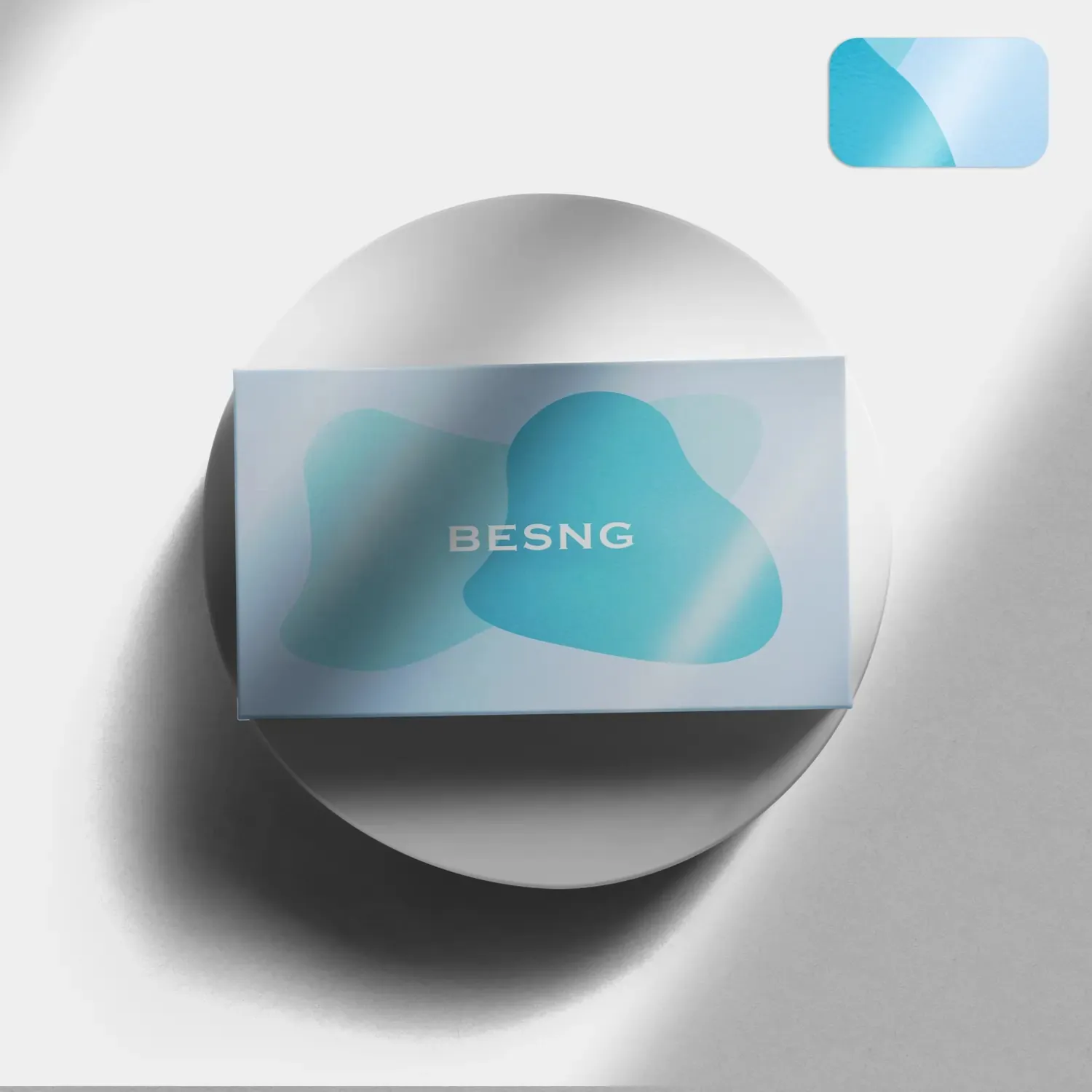
Glossy Business Cards
#GlossyBusinessCards, #HighGlossFinish, #ShinyBusinessCards, #LuxuryVisitingCards, #PremiumPrinting, #ProfessionalDesign, #VibrantColors
Eco-Friendly Business Card
#EcoFriendlyBusinessCards, #SustainableDesign, #RecycledPaperCards, #GreenPrinting, #EcoBranding, #BiodegradableCards, #EnvironmentFriendly