

 Re-mark
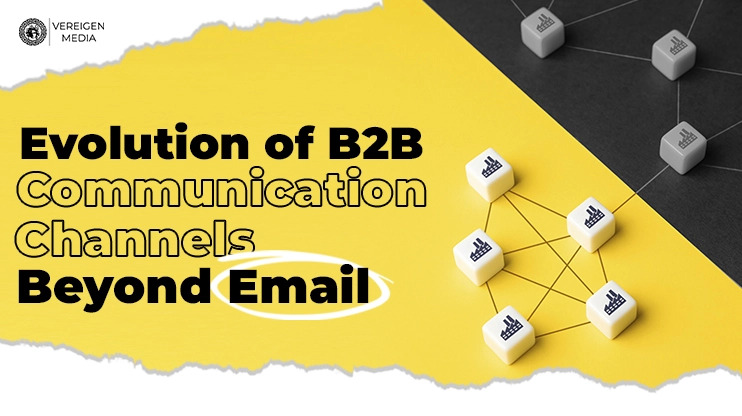
86% of marketers counted the impact and claimed excellent communication keeps clients! Do you still commute with prospects the old way? Email is the primary tool for B2B communication. Since its inception, it has been used as a channel for virtually everything, from introductory contacts to intensive talks and agreements. Nevertheless, with business becoming more digital and interconnected, weaknesses of email have come up which have in turn resulted into the rise of alternative channels that are at present shaping B2B interactions. The Limitations of Email in B2B Communication However versatile and widely adopted it may be, Email comes with several inherent limitations among them: 1. Volume Overload: The large volume of emails sent to business professionals on a daily basis can result in important messages being missed or delayed. With relevant and irrelevant communications flooding their inboxes, there is a high risk of essential data getting buried. 2. Lack of Real Time Interaction: Unlike instant messaging or video conferencing, e-mail lacks the urgency required for time-sensitive discussions. This delay may slow down decision-making especially in fast paced industries. 3. Limited Collaboration Capabilities: While email is helpful for information exchange, it does not foster real-time collaboration. Multiple threads and attachments can rapidly become unwieldy making complex projects difficult to trace. The Emergence of Alternative B2B Communication Channels Recognizing these limitations, businesses have increasingly turned to alternative communication channels that offer enhanced functionality, security, and collaboration capabilities. These channels are not just supplementing but in many cases replacing email as the primary mode of communication. 1. Instant Messaging Platforms Instant messaging platforms like Slack, Microsoft Teams, and WhatsApp have revolutionized B2B communication by enabling real-time conversations. These platforms offer several advantages over email: Real-Time Interaction: Instant messaging allows for quick exchanges making it ideal for time-sensitive discussions and rapid decision-making. Enhancement of Collaboration: Many instant messaging platforms combine with other tools such as project management software and cloud storage to facilitate seamless team cooperation. Organized Communication: Channels and groups within these platforms have helped categorize discussions by topic or project thereby reducing the clutter that is usually associated with email threads. These are essential for internal communication within organizations as well as for external communications with clients and partners.
You may like

Matte Visiting Cards
#MatteVisitingCards, #MatteFinish, #ElegantBusinessCards, #SmoothTouch, #PremiumQuality, #CustomMatteCards, #ModernDesign
Glossy Business Cards
#GlossyBusinessCards, #HighGlossFinish, #ShinyBusinessCards, #LuxuryVisitingCards, #PremiumPrinting, #ProfessionalDesign, #VibrantColors
Eco-Friendly Business Card
#EcoFriendlyBusinessCards, #SustainableDesign, #RecycledPaperCards, #GreenPrinting, #EcoBranding, #BiodegradableCards, #EnvironmentFriendly