

 Re-mark
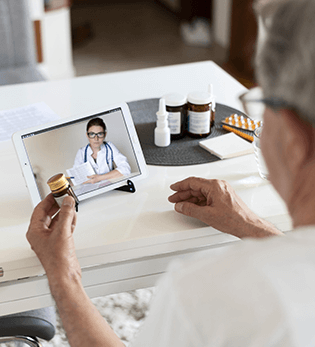
Telehealth Technologies to Drive Remote Patient Monitoring Telehealth is the future of healthcare, and there’s no denying it. As the healthcare system battles tirelessly against COVID-19, we have been faced with the reality of the sheer inability of traditional systems to deal with new-age requirements. Patient monitoring systems are the future of healthcare, and organizations must embrace the emerging technologies related to this domain to stay relevant and increase their ROI. Globally, governments are now focusing on the long-overdue requirement of pumping money into the healthcare sector towards remote patient monitoring platforms. All these factors will be realized through the one and all-important domain – telehealth. Innovative opportunities in remote health monitoring systems have taken priority. With scalable, meticulous solutions and offer a virtual environment, remote patient monitoring services of healthcare are poised to address the needs of the current healthcare environment. As more than half of U.S. hospitals have adopted patient monitoring devices and with a global valuation of 20% annual growth in mobile patient monitoring, healthcare organizations need to, quite literally, get with the program. Remote patient monitoring platforms will ensure a pathway into the future of healthcare. Remote Patient Monitoring System for Providers A health patient monitoring system aids caregivers in offering more control of their health to patients. Remote patient monitoring services can be designed to offer an insight into the specifications of their health conditions. Telehealth providers can apply technology that allows the patient to continually monitor and conduct primary screening without the need for physical check-ups. A remote patient monitoring system for doctors can be designed to offer healthcare management charts that provide time-based summaries, such as weekly data for further analysis. Apps for telehealth can offer a primary diagnosis based on an analysis of symptoms that the patient enters. The initial diagnosis can then be taken a step further to connect to the doctor who is closest in proximity or convenience. Remote Patient Monitoring Systems for Health Organizations: Improved patient outcomes with reduced costs Reduced burden on medical staff Minimized spread of infection Population risk assessment through predictive analysis Continual monitoring of patients through remote accessibility Increased patient empowerment, engagement, and education Remote monitoring to reduce hospital readmissions Increased efficiency of clinical staff Increased care coordination Reduced hospital stays Reduced death rate Reduction in emergency visits Tips for Adoption of RPM: Remote patient monitoring vendors offer custom healthcare software solutions to align the system health monitoring software with the organization’s goal and mission. Healthcare companies should eliminate fixed costs as far as possible while developing remote health monitoring solutions. This will aid in creating strategic value toward deployment while achieving goals. A clear timeline toward implementation can make the process seamless and straightforward. Additionally, key project stages can be identified and monitored to ensure implementation timelines. Timelines should be made realistically, with consideration of organizational size and capacity. A remote patient monitoring system on the cloud can be accessed across multiple devices and locations, and it can operate through basic connectivity. Health monitoring companies can begin execution on a small scale and gradually increase it for seamless adaptation and electronic data interchange. This method allows for natural integration between old systems and innovations. Due to the sensitivity of health data and the consequent hesitation from patients in sharing this data, advanced encryption and security features should be deployed within every aspect of remote monitoring system healthcare development. Conclusion Remote patient monitoring solutions are a broad technology category with plenty of innovative offerings. From the management of critically-ill patients to clinical workflows, many healthcare opportunities can be explored in this domain. A smart deployment strategy can prove instrumental in successful implementation and take the healthcare organization from strength to strength.
You may like
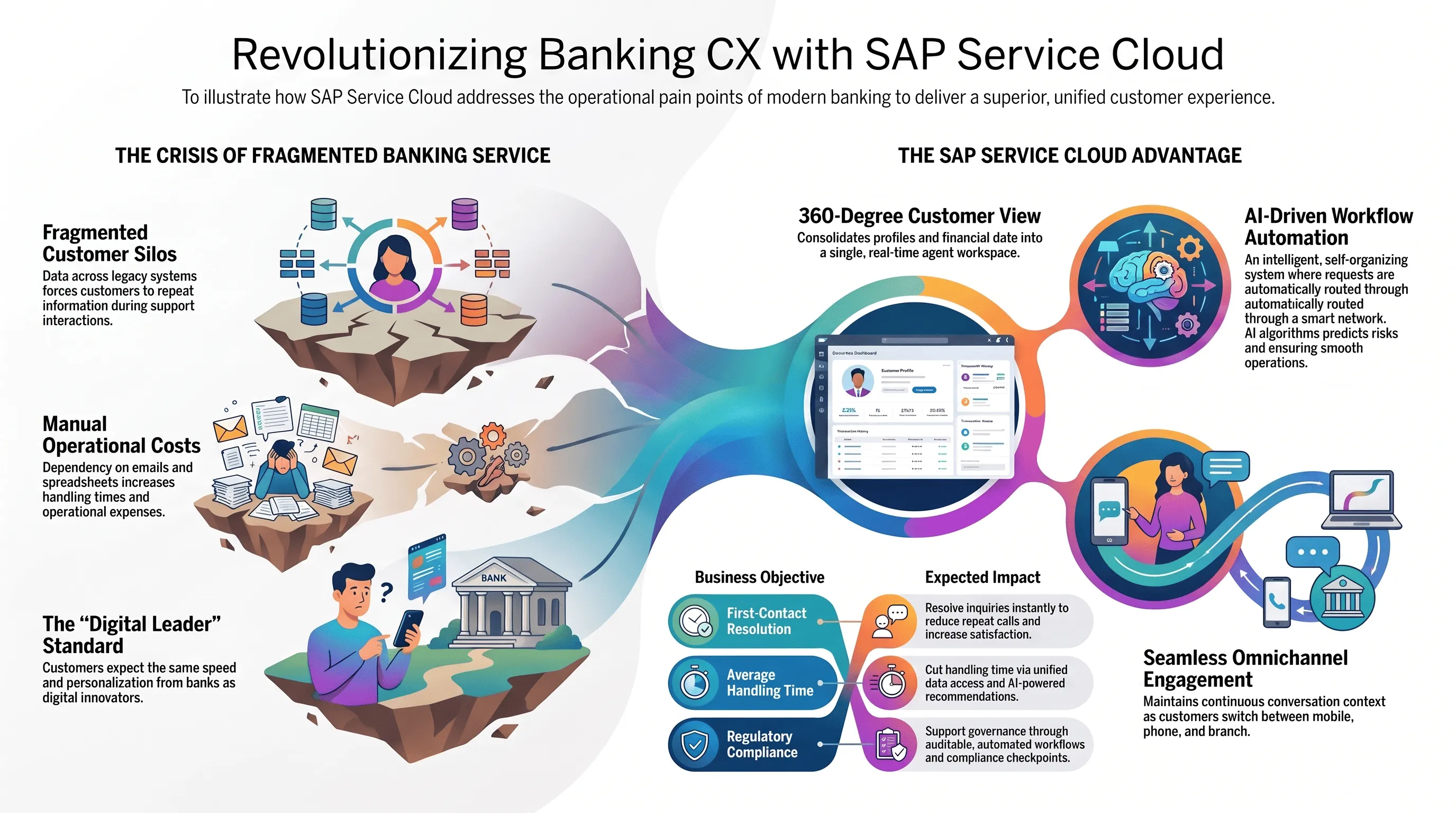
Traditional banking CX is facing a major crisis driven by fragmented data silos and rising operational costs.
How do…
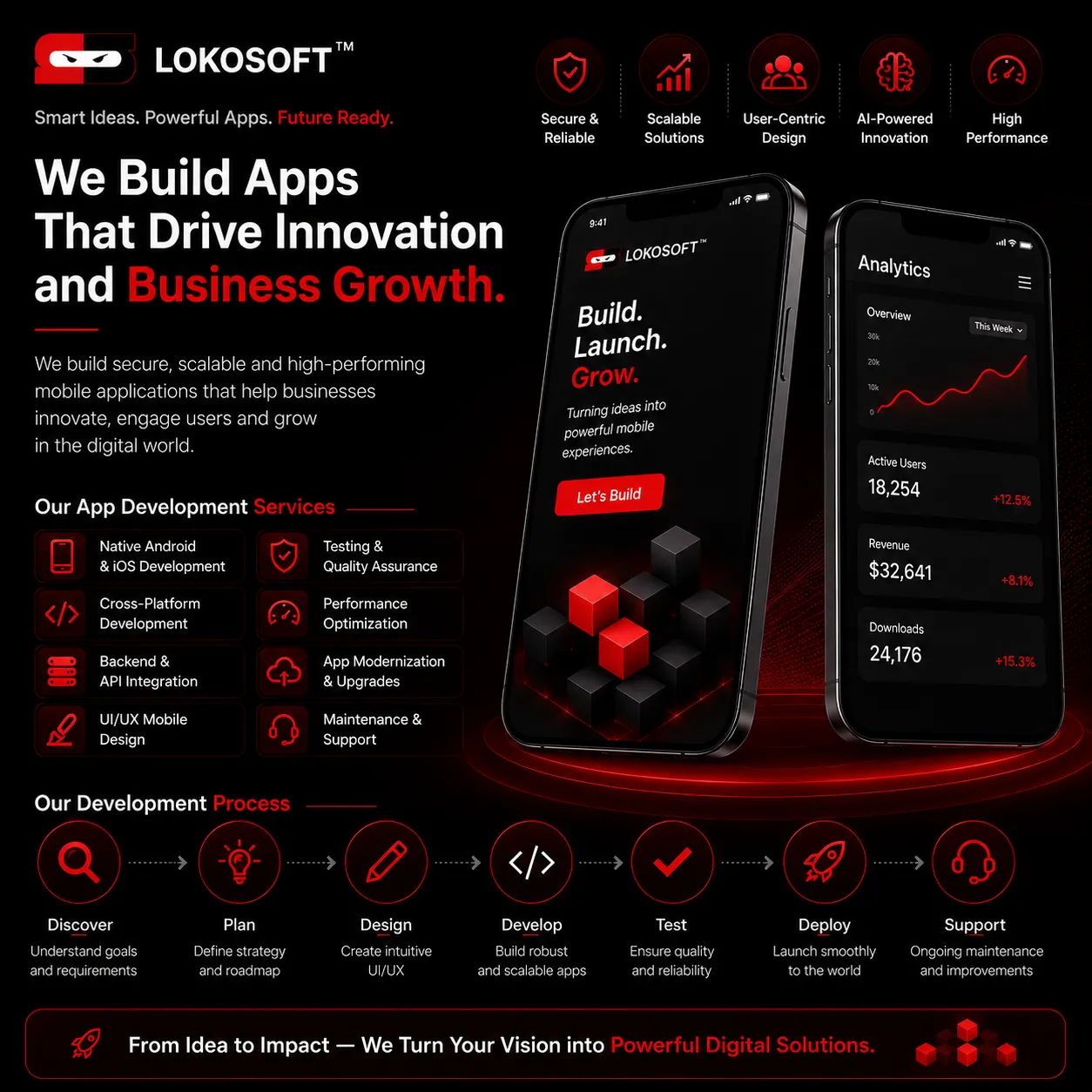
Smart app development is becoming a key driver of digital transformation, helping businesses improve customer…
App Development, Mobile App Development, ios development, cloud computing, Artificial Intelligence, Technology, Digital Transformation
The RPP Price Trend remains influenced by supply availability, recycling activity, industrial demand, and…
RPP Price Trend, RPP Prices