

 Re-mark

The Story of Hanuman The physical representation of Hanumanasana can be linked to his ability to leap across huge distances, with a little help from his power of flight, inherited from his father Vayu; God of the Winds. Hanuman is known as son of the Wind God Vayu and Anjaneya who, much like Hanuman, was a Vanara, an intelligent, monkey-like being who lived in the forest. Appearing, in both the Ramayana and the Mahabharata (Two of ancient India’s oldest texts.) Hanuman plays a central role in the story of Rama and Sita. Hanuman took part in Rama’s war against the evil Ravan, and after defeating him, Rama and Sita were crowned King and Queen of Ayodhya. Hanuman was offered a reward for his help in the great battle, but asked only to continue being of service to Rama. Because of this selfless service, courage and perseverance, Hanuman is regarded as the ‘perfect’ symbol of loyalty and selflessness. Hanuman even has his own mantra; the Hanuman Chalisa, in which those who chant the mantra ask for knowledge, intellect, power and to remove any flaws or suffering. The chant also gives thanks to Hanuman and honours him for his intelligence, strength and devotion, listen here. #200hourttcinrishikesh #yoga #yogadaily #dailyyoga #yogaeveryday #yogadamday #yogattc #yogattcinrishikesh #ttcinrishikesh #ashtanga_yogain_rishikesh #yogaworldwide #hathayoga #ashtangaflow #ashtangavinyasa #dailydrop_in www.aatmyogashala.org
You may like

Skin Tightening Injection Delhi for Smooth Skin
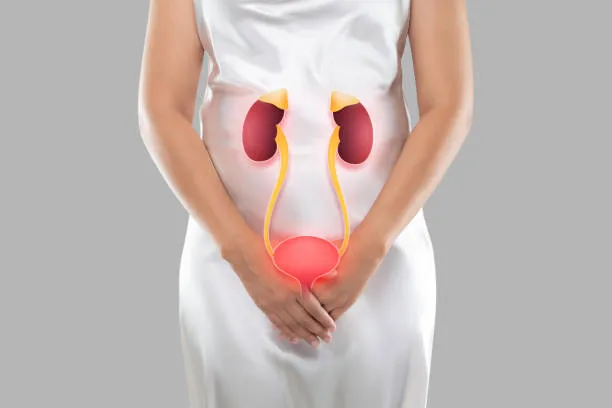
A urinary tract infection (UTI) is an infection in any part of the urinary system, which includes the kidneys, ureters,…
Urinary Tract Infection Treatment, Urinary tract infection
Gastroenterologist & Diabetes Specialist in Daly City, CA