

 Re-mark
Search Engine Optimization (SEO) is the process of improving a website so that it meets the requirements and quality criteria of search engines (SE). Representation of a resource in search plays an important role for its promotion, since Google results are the main sources of organic traffic in Net. Search engine databases store hundreds of millions of websites, and in order to get to the first pages of ranking results, optimizers set up and promote their projects on their own. If this is not done, the SE (Search Engine) algorithms themselves will not raise the site to the top positions. In this article we talk about how to set up SEO yourself.
The movement of a web resource in search results is influenced by many factors, and although the exact ranking algorithms are not disclosed, search engines provide general information about the criteria by which robots evaluate the quality of sites. In Google they are the same, plus or minus. For SEO, technical aspects are taken into account (such as server response and loading speed), the structure of the project, its internal navigation, the usefulness of the content, user behavior on the site, link mass and other parameters. In our step-by-step instructions, we will analyze in detail the main points that you should set up first if you are doing promotion yourself.
Site audit for errors
"First of all, independent SEO promotion involves optimizing the technical part of the site" - says https://keyrealseo.com/" target="_blank" rel="noopener">KeyRealSeo the owner of KeyRealSeo. We are talking about filling out files such as robots.txt and sitemap.xml, checking the correctness of links, redirections and server response codes, installing a secure data transfer protocol (HTTPS), removing duplicate content, etc. Search engines are strictly to the presence of technical errors, therefore, if they are not eliminated, there will be no point in further SEO optimization.
We understand that it is extremely difficult to keep track of all the faults on your own, especially if the site contains hundreds and thousands of pages. Therefore, we recommend that you use a website scanner Screaming Frog SEO Spider or similar tool. This program does a complete SEO audit of the project: shows response codes for each page, finds 404 errors, duplicates, broken links, URLs with an insecure HTTP protocol, helps create an XML map and detects web documents blocked for search robots. The SEO spider also analyzes headings: determines their length in characters, shows repeating title and description, and visualizes snippets in Google search results. These are just some of the available features.
To optimize your site yourself using this tool, install it on your computer and enter the URL in the appropriate field at the top of the interface. In the free version, the scanner will audit the first 500 URLs and will be limited in capabilities (for example, it will not be able to check spelling). To activate full functionality you will need to purchase a license.
Working on the site structure
The internal structure of a website is of great importance not only for SEO optimization, but also in terms of user experience. The hierarchy of pages within the project should be clear and simple, so that any important part can be reached in 3-4 clicks from the “main” page. This is important for quick indexing and the convenience of visitors. It’s better to start thinking about the structure in advance, but if you already have an existing website, it doesn’t matter - it’s never too late to change your promotion strategy.
At the previous stage, you independently compiled several clusters with key phrases. Ideally, you should have a landing web page for each of them. Of course, it is not necessary to place them all at the same nesting level. Determine how many such pages need to be made and how it is most logical to present the information (in what order). Practice shows that it is more effective to use a tree structure, but decide for yourself. It’s useful to take a look at how your competitors’ web pages are organized.
Independent optimization of the structure consists of schematically designating which sections should be present on the site, which subsections they diverge into, etc. After this, you can either give the scheme to the developers who implement it in the project, or configure everything yourself if you own programming skills. In some CMS this is quite easy to do.
Writing title and description
So, you have a list of key queries and the pages that will be promoted for them. You can begin to independently optimize meta tags - service elements of HTML code that contain data about the subject of the document. Usually they are located at its beginning. The most important for SEO promotion are two tags: Title and Description. They form the basis of the snippet in search results. The first one is also reflected in the tab title.
Title and Description of one of the pages of the ICC website.
During optimization, these tags need to be configured separately for each page that you are promoting. Here are some rules:
- The length of Title should be no more than 65–80 characters, Description - up to 200 characters (Google for mobile prefers even within 120). Longer titles are usually cut off.
- Keys with the highest frequency are added to meta tags.
- The content of tags should not be repeated.
Try to make the snippet attractive to the user: use emojis, inform about promotions, add calls to action. This will increase the click-through rate of the link in searches. The main thing is not to overdo it yourself with optimization: too many keys are perceived by the system as spam.
Note that sometimes SS ignore the content of these tags and insert part of the text from the web page instead, but they must be filled out in any case.
Speed up page loading
Another important step in self-optimization SEO is increasing the speed of content loading. This indicator greatly influences promotion: only fast sites that load in 1–3 seconds get to the top results. A modern user will not want to wait longer, and if he leaves before the web page opens, the system will perceive this as a refusal. The more failures your resource has, the lower its quality in the eyes of the PS.
You can speed up downloads yourself in different ways:
- optimize the size and weight of images;
- minify files with CSS and JavaScript code;
- configure compression on the server and caching in the browser;
- make lazy loading of scripts and images;
- reduce the number of redirects;
- connect a content delivery network (CDN), etc.
Most of these procedures will still require programming knowledge and server administration skills, but some—for example, optimizing graphic content—you can handle on your own. There are services on the Internet that automatically change the format and compress photos.
We also recommend that you use the online tool PageSpeed Insight from Google. It is free and helps you evaluate the speed of your site in many ways. Gives hints on what needs to be improved.
Text optimization
Texts are the main driving force of SEO promotion. Every page you optimize should have text content with high-volume keywords. Moreover, they need to be placed organically and in moderation: search robots that will scan your site are good at recognizing over-optimized materials. If the text is not useful for the visitor, but is made only to attract the attention of indexing bots, this will harm optimization. Because of key spam, it is quite possible to end up under the sanctions of the PS, and you will not be able to get out of there on your own. So you should approach writing text content responsibly. The requirement is uniqueness. It should be at least 80%. If “duplicates” are found on the Internet, your site will be considered low-quality.
In addition to the texts themselves, their design is important. Be sure to use headings H1-H6 (there is only one H1 per page!), highlight logical paragraphs, add indents, lists, etc. It should be easy to read.
You may like
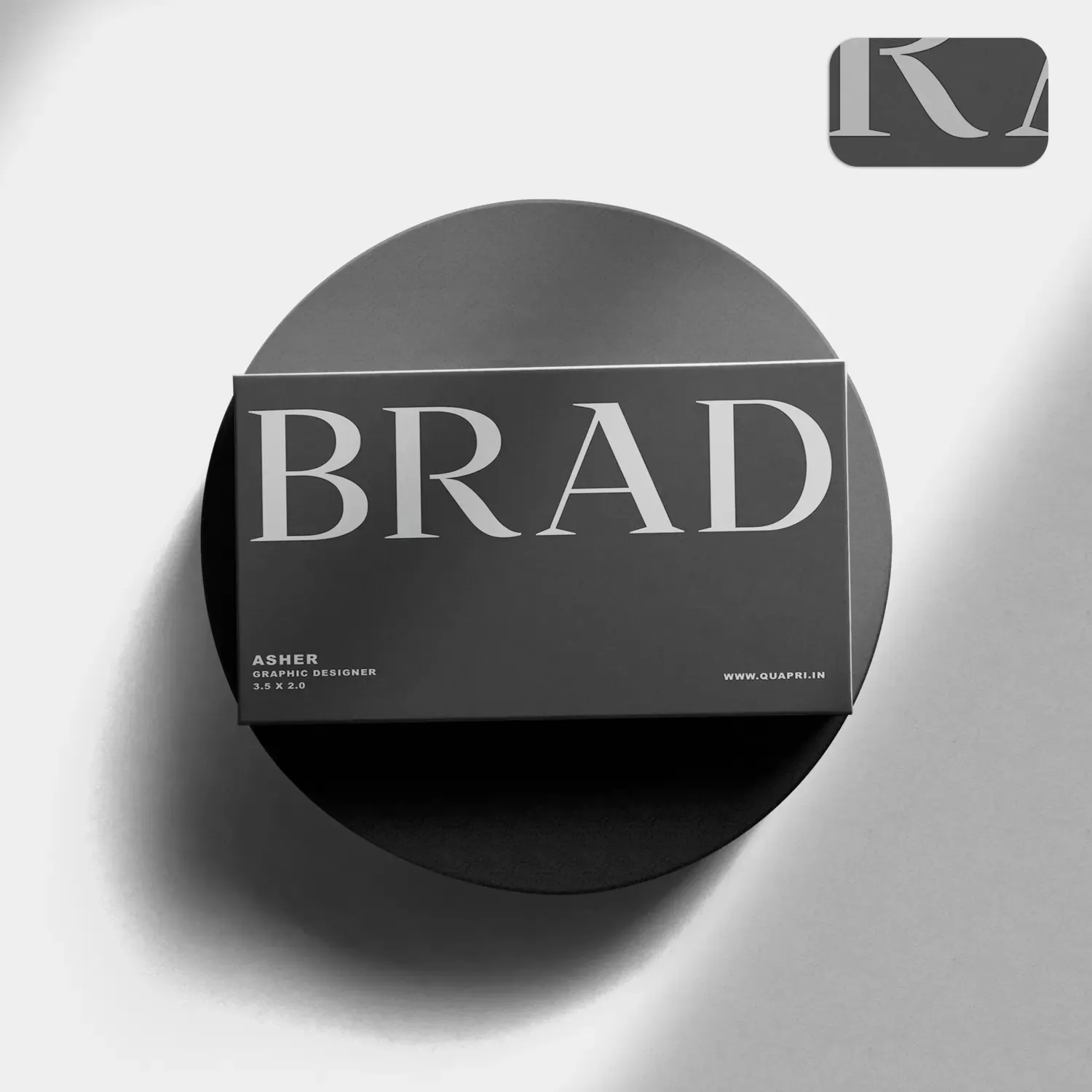
Matte Visiting Cards
#MatteVisitingCards, #MatteFinish, #ElegantBusinessCards, #SmoothTouch, #PremiumQuality, #CustomMatteCards, #ModernDesign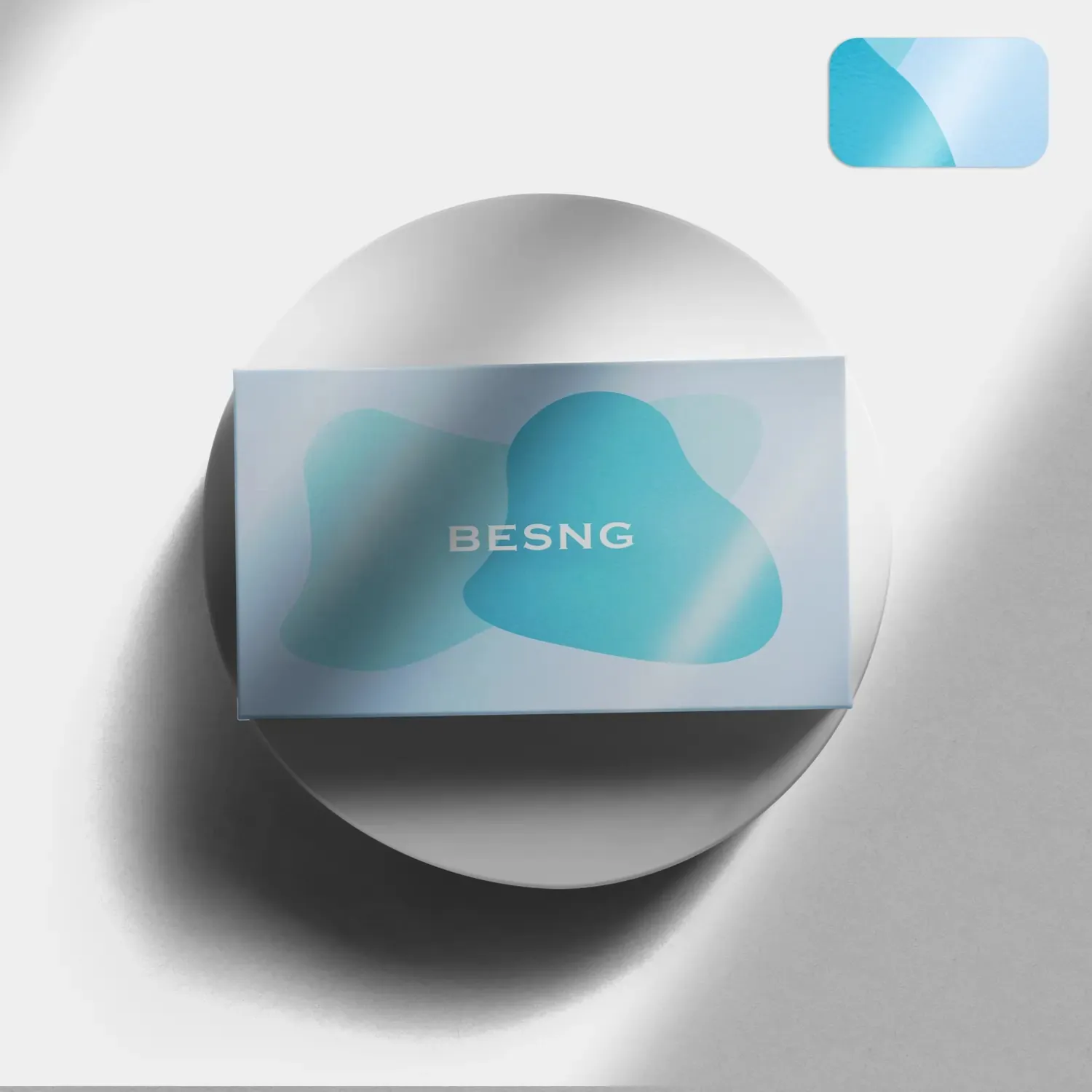
Glossy Business Cards
#GlossyBusinessCards, #HighGlossFinish, #ShinyBusinessCards, #LuxuryVisitingCards, #PremiumPrinting, #ProfessionalDesign, #VibrantColors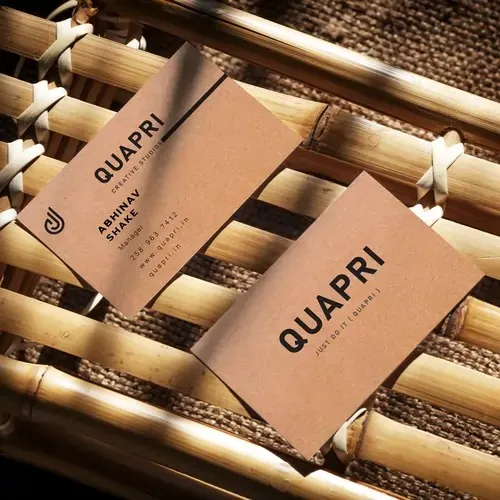
Eco-Friendly Business Card
#EcoFriendlyBusinessCards, #SustainableDesign, #RecycledPaperCards, #GreenPrinting, #EcoBranding, #BiodegradableCards, #EnvironmentFriendly