

 Re-mark
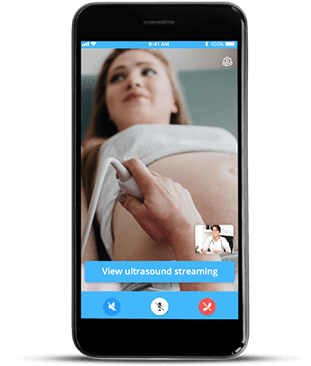
The Quality of the Patient Experience Might Directly Depend on Having Integrated Healthcare Solutions Digital systems make hospitals and ambulatory care centers a lot more efficient when it comes to day-to-day administration. It won’t be a stretch to say that they actually improve overall clinical outcomes. Healthcare software streamline the workflows around medical organizations and improves the efficiency and productivity of the operations. Solutions for scheduling appointments, storing patient information, medical coding and billing, telehealth, and so forth help doctors, as well as clinical staff, work better. But the real power of these solutions is realized if they seamlessly work together. Integrated healthcare solutions help hospital administrators and providers aggregate multiple clinical workflows into a single consolidated interface. As a result, there is greater coordination, better flow of information, enhanced organization, and not to mention, better patient experience. Use Case To demonstrate the use of integrated health solutions, it is best we consider a real-life scenario at a healthcare organization. Let’s assume that a man wants to book an appointment for a consultation. He does so using an application. Following this, the staff at the clinic can view the time slot and the details of the person who made the booking. This helps them verify his health plans even before he walks into the clinic. Subsequently, he arrives at the clinic for the consultation. Since his health plans have already been verified, the doctor proceeds to examine him. The doctor pulls up the man’s medical history through the integrated electronic health records software. Based on this information, and the current symptoms, the doctor prescribes some tests and temporary medication. Later on, this entire visit is documented, and the staff carries out medical coding using relevant healthcare software that is integrated with the EHR, insurance verification, and appointment scheduling software. Furthermore, the appropriate claims are filled out and sent over to the insurance payer for reimbursement for all the medical services provided. The e-prescription is directly sent over to the pharmacy where the man goes to pick it up. After the man has had the tests done, the results are updated to his medical records, where the doctor fetches them with a few clicks during the follow-up consultation. The diagnosis is updated on the EHR. Following both visits, the man also makes payment through an online portal, where the clinical staff view the payment and send an acknowledgment over. The above scenario is a typical day at the office for the doctors and non-medical staff at any medium-sized healthcare organization. The activities carried out include appointment management, insurance verification, viewing medical history, electronic prescriptions, viewing test results, medical coding, billing, claims, and payment management. There were separate software solutions for each of the aforementioned activities, and all of them were integrated to exchange data seamlessly and work in cohesion. As a result, a small staff could handle much of the workflow from their screens with a few clicks. In other words, integrated medical solutions pave the way for efficient integrated healthcare management where multiple activities can be performed without hassles or bureaucracy. The growth of mhealth has also led to the rise of integrated healthcare mobile solutions, where doctors and nurses are able to complete tasks using a smartphone or a PDA. Conclusion Comprehensive integrated healthcare solutions go a long way in improving the efficiency and speed of the workflows at medical organizations. In doing so, they help save time, costs, and resources for the providers, who in turn can devote the same to patients. To sum it up, multiple healthcare solutions working in cohesion with one another boost the productivity of a clinic and end up being beneficial for the providers and the patients.
You may like

Johnte Black | Virtual Magician & Zoom Magician for Corporate Events
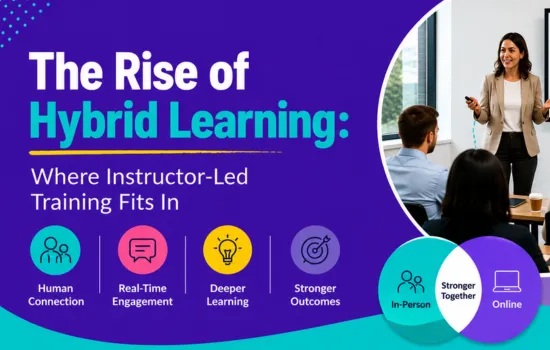
Is Hybrid Learning the Future of Education? Where Does Instructor-Led Training Fit in 2026?
Organizations today are…

Best SEO Agency & Company in Mumbai | Rank Quick & Scale