

 Re-mark
Promoting preventative maintenance tune-ups is a powerful strategy for any auto repair shop. While customers often wait for problems to arise before visiting the shop, regularly scheduled tune-ups can prevent issues before they escalate, keeping cars running smoothly and customers satisfied. A preventative tune-up typically includes replacing spark plugs, checking fluid levels, inspecting air filters, and running diagnostic scans. These services not only boost vehicle performance but also improve fuel efficiency, extend engine life, and reduce the likelihood of costly repairs down the line. Key Benefits of Promoting Preventative Tune-Ups Build Trust and Loyalty: Educating customers on the importance of regular tune-ups shows you care about their car’s long-term health. Customers who trust your advice are more likely to return and refer friends. Stable Revenue Stream: Unlike emergency repairs, which are unpredictable, tune-ups are scheduled and predictable, allowing your shop to plan and balance workload year-round. Prevent Expensive Repairs: Small issues like a worn spark plug or dirty air filter can snowball into costly engine repairs. A tune-up helps catch these problems early. Safety and Efficiency: Regular maintenance ensures that key vehicle systems—like the battery, fuel injectors, and brakes—are functioning properly, improving overall safety and fuel economy. Linking Tune-Ups to Dashboard Warning Lights Dashboard lights are a great way to educate customers. For example, a Check Engine Light could signal a problem with the spark plugs, which a tune-up can easily fix. Battery Warning Lights often indicate a need for inspection, which can be checked during a routine tune-up. Connecting these lights to preventative services helps customers understand the value of timely maintenance. Promoting preventative maintenance tune-ups not only keeps cars in better shape but also positions your shop as a trusted partner in vehicle care.
You may like
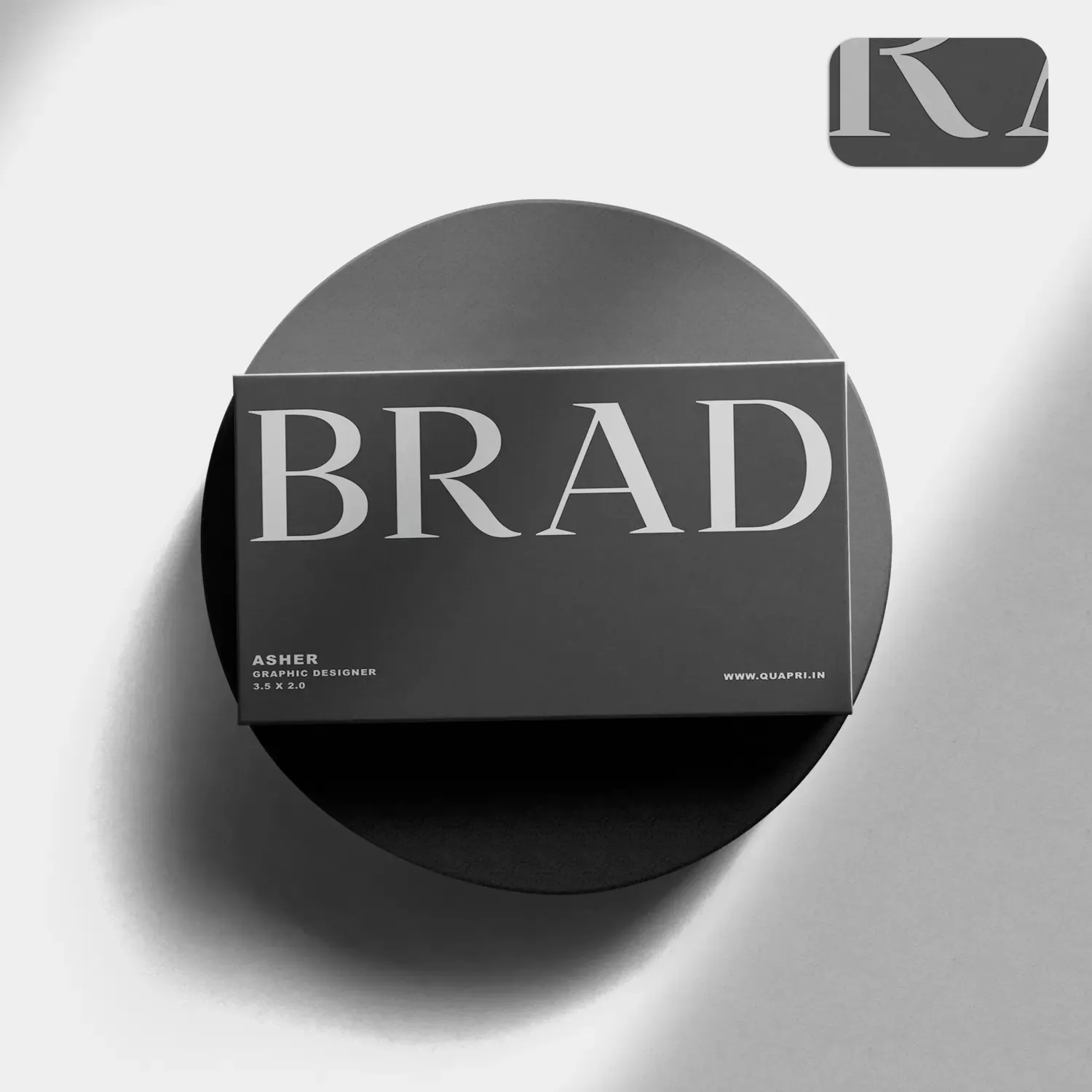
Matte Visiting Cards
#MatteVisitingCards, #MatteFinish, #ElegantBusinessCards, #SmoothTouch, #PremiumQuality, #CustomMatteCards, #ModernDesign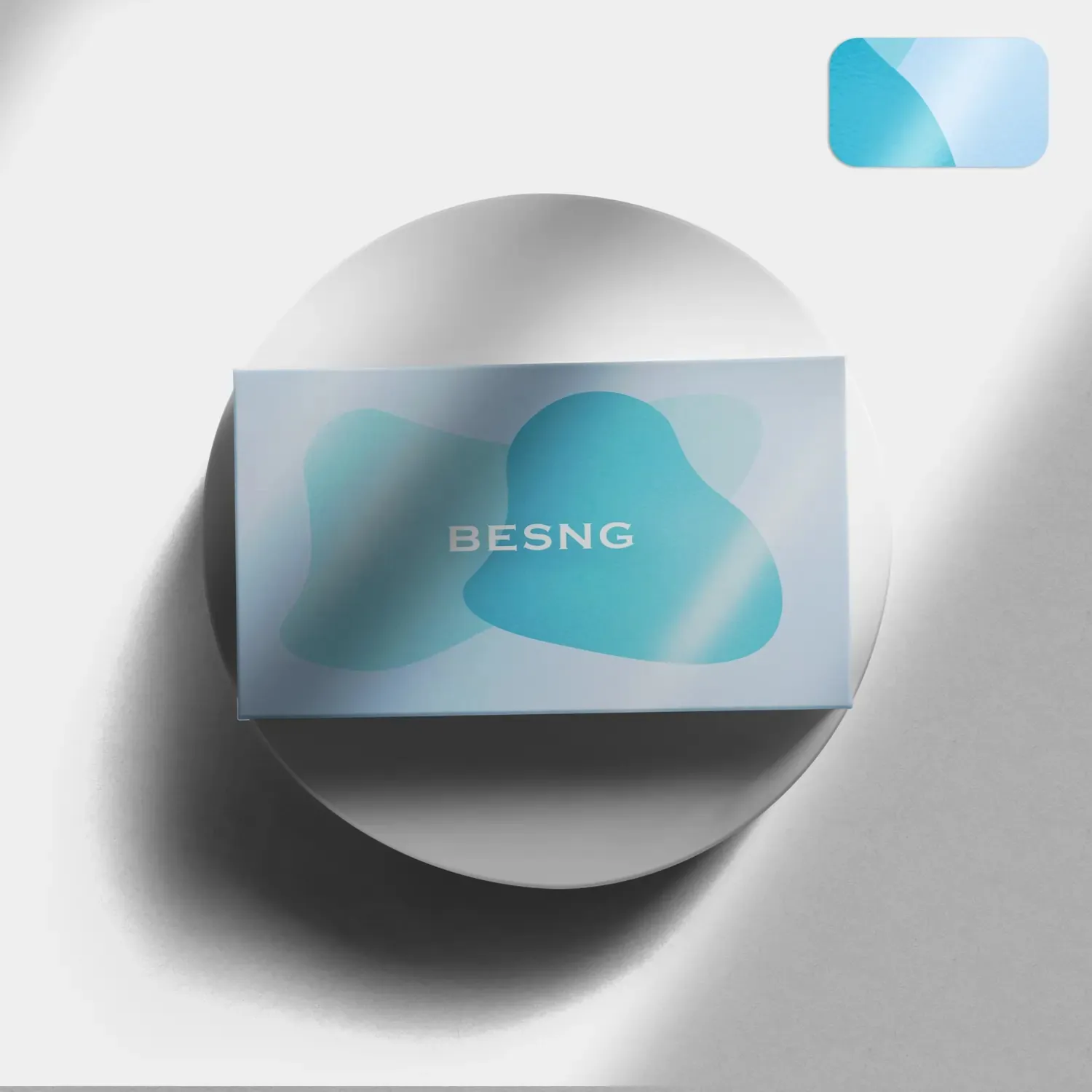
Glossy Business Cards
#GlossyBusinessCards, #HighGlossFinish, #ShinyBusinessCards, #LuxuryVisitingCards, #PremiumPrinting, #ProfessionalDesign, #VibrantColors
Eco-Friendly Business Card
#EcoFriendlyBusinessCards, #SustainableDesign, #RecycledPaperCards, #GreenPrinting, #EcoBranding, #BiodegradableCards, #EnvironmentFriendly