
 Re-mark
Introduction
Automation technology is evolving rapidly, and linear actuators play a pivotal role in this transformation. These devices offer unparalleled precision, reliability, and versatility, making them indispensable across various industries. From enhancing industrial automation to integrating into smart home systems, linear actuators are crucial for optimizing performance and efficiency. If you're looking to incorporate high-quality linear actuators into your projects, the Progressive Automations collection of linear actuators offers a wide range of options to suit your needs.
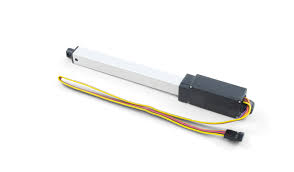
What Are Linear Actuators?Linear actuators are devices that create motion in a straight line, as opposed to the circular motion of electric motors. They are essential components in automation systems, providing precise and controlled movement in various applications. At their core, linear actuators consist of a motor, a screw or rod, and a housing that guides the motion.
The key components of a linear actuator include:
Motor: Converts electrical energy into mechanical motion. Lead Screw/Ball Screw: Translates the rotational motion of the motor into linear movement. Housing: Encases the components and provides a stable structure for the actuator. Control Unit: Manages the actuator's operation, ensuring accurate positioning and movement. Linear actuators are designed to handle different load capacities and speeds, making them suitable for a wide range of applications. For those seeking reliable and efficient linear actuators, the Progressive Automations collection offers various models tailored to diverse requirements.
Types of Linear ActuatorsLinear actuators come in several types, each with its own set of characteristics and suitable applications:
Electric Linear Actuators:
Operate using an electric motor that drives a screw to create linear motion. Commonly used in industrial automation, robotics, and home automation systems. Advantages include precise control, easy integration with control systems, and low maintenance. Example: Automated adjustable desks and TV lifts.
Hydraulic Linear Actuators:
Utilize fluid pressure to generate linear motion, offering high force capabilities. Ideal for heavy-duty applications such as construction equipment and industrial machinery. Known for their robustness and ability to handle high loads. Example: Hydraulic lifts and heavy machinery.
Pneumatic Linear Actuators:
Use compressed air to produce movement, providing fast and powerful actuation. Frequently used in applications requiring quick, repetitive movements, such as packaging and assembly lines. Benefits include simplicity, speed, and cost-effectiveness. Example: Automated doors and industrial presses.
Comparing these types:
Electric actuators offer high precision and control, making them ideal for applications where accuracy is paramount. dc actuators are best suited for heavy-duty tasks due to their high force output. Pneumatic actuators are preferred for applications needing rapid and repetitive movement. For those considering electric linear actuators, the https://www.progressiveautomations.com/collections/linear-actuators" target="_blank" rel="noopener noreferrer">https://www.progressiveautomations.com/collections/linear-actuators">https://www.progressiveautomations.com/collections/linear-actuators provides a wide range of reliable options.
Applications of Linear ActuatorsLinear actuators are used in various fields, each benefiting from their unique capabilities:
Industrial Automation:
Enhance manufacturing processes by providing precise control of machinery. Integral in assembly lines, ensuring accurate placement and movement of components. Used in robotics for controlled and repeatable motion.
Home Automation:
Implemented in smart home systems for tasks like adjusting windows, moving furniture, and controlling home theater screens. Enhance comfort and convenience with automated adjustments of beds, recliners, and other furniture.
Medical Equipment:
Essential in hospital beds for patient comfort and care, allowing smooth and precise adjustments. Used in patient lifts, diagnostic machines, and surgical tables to ensure accurate positioning.
Automotive:
Critical in car manufacturing for assembling parts with high precision. Used in adjustable seats, automated trunks, and other car components for enhanced user experience and convenience. These diverse applications showcase the versatility and indispensability of linear actuators. For those seeking high-quality solutions, the Progressive Automations collection offers a variety of models suitable for different needs.
Benefits of Using Linear ActuatorsLinear actuators provide numerous benefits that make them an excellent choice for automation tasks:
Precision:
Deliver accurate and controlled movements, crucial for applications requiring high accuracy. Maintain consistent performance even under varying conditions.
Reliability:
Constructed with durable materials to withstand harsh environments and heavy use. Offer long-term performance with minimal maintenance, reducing operational downtime.
Versatility:
Adaptable to a wide range of applications, from industrial machinery to home automation. Available in different sizes and configurations to meet specific requirements.
Efficiency:
Improve operational efficiency by automating repetitive tasks. Enhance productivity by reducing the need for manual intervention and minimizing errors. These benefits highlight why linear actuators are a valuable addition to any automation system. For reliable and efficient options, explore the Progressive Automations collection.
How to Choose the Right Linear ActuatorSelecting the right linear actuator involves several key considerations:
Load Capacity:
Ensure the actuator can handle the weight of the load it will move. Check the specifications for maximum load capacity.
Speed:
Determine the required speed of movement for your application. Choose an actuator that offers the appropriate speed range.
Stroke Length:
Consider the distance the actuator needs to travel. Select an actuator with a suitable stroke length for your application.
Environmental Conditions:
Evaluate the operating environment, including temperature, humidity, and exposure to elements. Choose an actuator designed to perform reliably under those conditions. Understanding these factors helps in selecting the best linear actuator for your needs. For a wide range of high-quality options, visit the Progressive Automations collection to find the perfect match.
You may like

LAYARKACA21 – Nonton & Download Film, Drakor, Anime Gratis Tanpa Iklan

Cable TV Provider Louisville