

 Re-mark

Augmented reality in education - benefits and impact The current global health crisis caused one of the biggest disruptions in history affecting students all over the world. UNESCO, United Nations Educational and Cultural Organization, states that 144,697,476 learners were affected by Covid-19 during last year. Augmented reality in education - benefits and impact Throughout the lockdown, learners couldn’t attend their daily classes. Authorities, non-governmental organizations all over the world tried to come up with distance learning ideas and solutions in order to help students, parents, and everyone else involved in the process. Schools and universities had to adapt quickly to virtual classrooms to ensure the continuous educational process. Clearly, such conditions only hurried the process of traditional methods of education becoming more and more irrelevant. Turned out it was a perfect time for new trends to appear. One of the rapidly evolving directions that became vital is the so-called ED-tech. Under normal circumstances, digital transformation is an evolution, not a revolution, but not at this time. Due to pandemic, education technology investments are expected to grow by 16.1% a year to reach $181 billion by 2025. Among different ED-tech trends, which have already made an impact on learners we’d like to focus your attention on Augmented reality, which will soon become a leading tool not only in education but also in medicine, eCommerce, Foodservice, etc. According to the report, the AR market size is predicted to increase from $3.5 billion in 2017 to more than $198 billion by 2025. With such compelling growth, it makes sense to consider how AR can benefit our daily lives. The Wall Street Journal noted: Across multiple industries, augmented reality, or AR, has transitioned during the pandemic from intriguing experiment to everyday tool. Let’s take a deeper look and discover what AR is and how it differs from technologies like VR and MR. AR (Augmented reality) is a modified reality version created with the help of computer-generated elements on a real image. Basically, it is the ability to combine digital data with a real-time experience. The real-world and the augmented environments can interact together and be digitally manipulated. To make this possible AR apps use QR codes, geolocation data or the object recognition feature. Examples include Snapchat and the game Pokemon Go. VR (Virtual reality) is a technology where users wear a headset and are fully engaged in computer-generated reality such as Medieval Time, Space, etc. MR (Mixed Reality) combines elements of both AR and VR, where real-world and digital objects interact. These technologies can be used as immersive teaching methods and potentially become a key tool in education and revolutionize the learning of both schoolchildren and students. Classic teaching methods usually engage students through a theoretical learning style with random use of visual images to illustrate the concepts. This method works for the humanities, while other subjects, like science, may benefit from the inclusion of elements of laboratory experiments. Augmented reality in education - benefits and impact What are the benefits of augmented reality in education? It Gives students extra digital information about any subject Makes complex information easier to understand Provides quick and easy access to information Makes higher levels of engagement Increases interactivity Facilitates understanding of abstract concepts Creates unusual, interesting, and exciting approach in education Adds gaming elements to support theoretical materials Increases remote learning opportunities In general, augmented reality makes learning itself more engaging and fun. Let’s have a look on a few examples of AR in classroom education. History Have you ever wondered what medieval castles would look like in a modern city? Or do you want to investigate the latest theories of what dinosaurs looked like? The British Museum has already begun using AR technology to help visitors understand certain exhibits. You can do the same during history classes. AR app Dinosaur 4D+ allows users to scan flashcards to see 3D dinosaurs. You can see dinosaurs in action, zoom in, and read all the information. Another example is AR educational game “Blok Out”. The purpose of which is to increase your historical awareness. People visit a medieval prison in the Netherlands, known as the “Blokhuispoort” and by playing a game they learn interesting facts about this historical place and the history of the surrounding area. Science With AR it’s possible to recreate three-dimensional models of almost any object: human body, planets rotating around the Sun volcano eruption, visualized mountains, water sources, and other geographical features, Conduct experiments with and not harm anybody. It’s all about safeness now. Chemistry With AR, pupils can perform practical experiments without the need of the physical lab. Another example of useful development in this area is app Experience Chemistry. Students go through different levels, learn about chemical elements and investigate scientific concepts through simulations and interactive labs. Field trips From now on class trips can be fun and interactive. Using an application you can pick a point on a map where the field trip will take place, and organize activities at points of interest (e.x scavenger hunt) During the trip, children use their devices to interact with these experiences. Also, technologies may teach children about how industrial development can impact nature and encourage them to become more environmentally aware. Augmented reality in education - benefits and impact Requirements for AR in the Classroom An Internet connection Mobile devices (smartphones/ tablets or pair of smart glasses) AR apps Augmented reality in higher education and training Besides augmented reality for children, adults can use this technology to improve existing skills and knowledge, as well as gain new ones. AR provides with opportunities to extend their expertise within several areas, including: Medical education and training AR might provide training for medical students with the help of simulations, create human body models that allow learning anatomy in-depth and practice surgeries on virtual patients. Yale School of Nursing has already begun instructing students to practice medical procedures using a program that visualizes health problems using smartphones and QR codes. Case Western Reserve University with Cleveland Clinic that uses Microsoft’s HoloLens augmented reality technology launched the app to teach anatomy to medical students. In the app you can see and hear, for example, the heartbeats while learning the function of different parts of the heart. This makes the learning process immerse and complete. Space industry This industry is actively exploring augmented reality. Technology helps astronauts and engineers perform tasks such as performing complex tasks that require advanced technical skills, maintaining a space station, etc. Environmental studies The New York Times published an AR visualization to raise awareness of extreme levels of pollution from the Gulf to New Delhi. Using the app, you can see how the world’s most polluted air compares with pollution in your hometown. Architecture and Cultural Heritage AR can be a great tool in terms of architectural studies and cultural heritage preservation. Ukrainian team has launched an application, PocketcityAR where with the help of AR-technology you can view 3D-models of architectural monuments of all 25 regions of Ukraine. The project started with 24 digitized identified objects in Lviv (Ukraine). The purpose of the project was to digitize the architectural monuments of Ukraine so that people can learn about them. The team wanted to draw attention to the destruction of architectural monuments in different regions of Ukraine and record what is left today. Any professional training It is essential for employees of any field to update their knowledge and skills to stay competitive. It should be done on a regular basis. Technology only makes this process more interesting and exciting. To Sum Up Education is always open to innovations and searching for ways to make learning more effective, especially now during a pandemic. There are many ways in which AR can change schools, universities, and in e-learning in general. Contact us to get more insights about education technology and start changing the industry now.
You may like

Learn Quran Online | Qualified Online Quran Teachers
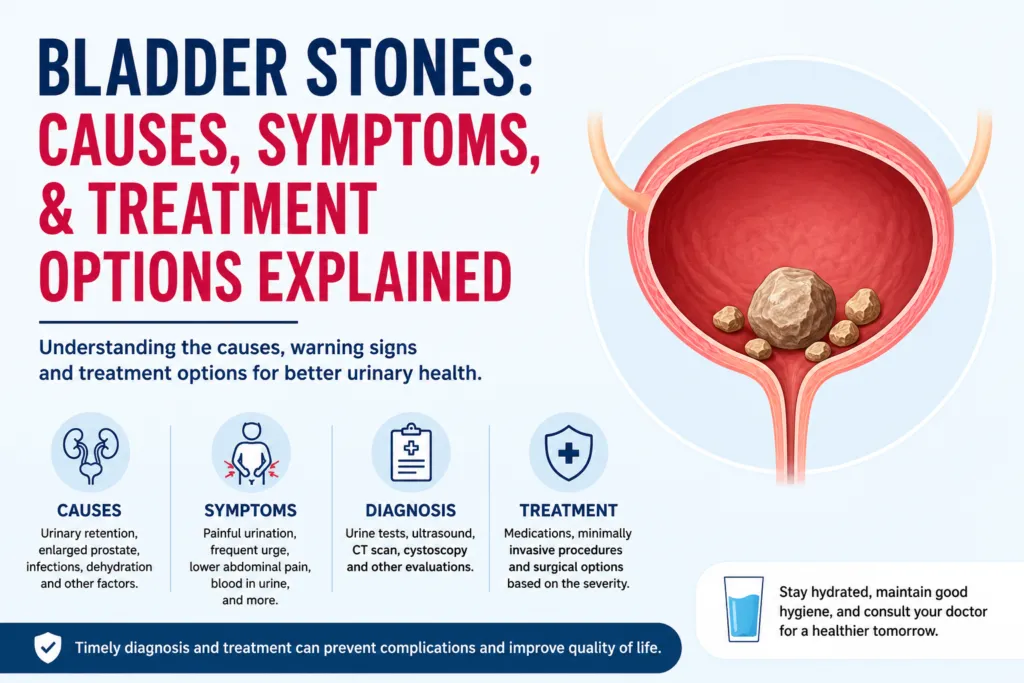
Bladder Stones: Causes, Symptoms, and Treatment Options Explained - Top Urologist in Patna
Men's Health, Urinary Retention, Urinary Stone Disease, Bladder Health, Bladder Stone Treatment, Urology doctor patna, Blood in Urine
For decades, Indian employees have been accumulating their retirement savings through mandatory deductions like EPF and…