

 Re-mark

Are the recitals in contracts binding? 20 June 2024 by Malcolm Burrows Recitals, also known as the ‘preamble’ or ‘details’ clauses (Recitals) are introductory statements at the start of a contract that provide context, background or reasons for the terms and conditions that follow. They have been historically used by the Courts to aid in the interpretation of ambiguous terms and are capable of including essential provisions and directives that are legally binding and enforceable (Operative Provisions).[1] Formal definition of Recitals The LexisNexis Concise Australian Legal Dictionary 4th edition defines a ‘recital’ as: “An introductory part of a document, such as a deed or an award, which states the facts and circumstances relevant to the making of the document, to explain or give context to its contents”.[2] Recitals are typically found after the parties’ section and contain a series of sentences that when clearly drafted can provide: context to the contract; explanation of intent; and guidance on interpretation. They have historically been used by the Courts as a guide to the intention and objectives of the parties entering into the contract by helping to interpret ambiguous Operative Provisions[3]. Guidance by the Courts about Recitals? In Franklins Pty Ltd v Metcash Trading Ltd [2009] NSWCA 407, Justice Campbell outlined a series of principles from historical English law that he determined constituted a guideline as to how Recitals can be used to assist with the construction of an operative provision:[4] the Recitals are a part of the agreement, and can be used as an aid to construction of an operative provision in an agreement;[5] nevertheless, there is a distinction between the operative terms of a contract and the Recitals. Although the Recitals can assist in the construction of a contract, they are not themselves operative terms;[6] there is a great deal of authority from the 19th and early 20th century to the effect that the manner in which the recital can be used depends upon whether either the recital or the operative provision is “ambiguous”;[7] there are also more recent authorities which state that Recitals can provide a means of proving background facts that are themselves legitimate aids to construction;[8] and they can be at the least an admission by the party to the deed of the truth of the matter stated, under the general law concerning evidence. In some circumstances they could give rise to an estoppel by deed, or an estoppel by convention, that prevented a party to the document asserting the contrary of the fact stated in the recital.[9] Are the Recitals contractually binding? While the Recitals can aid in interpreting a contract, it’s important to note that they aren’t binding like operative terms. They serve to provide context, rather than impose legal obligations and act as a form of admissible evidence that can be used to assist in the interpretation of the contract if the language of the Operative Provisions is ambiguous or susceptible of more than one meaning.[10] It’s important to ensure that Recitals, although not legally binding, are drafted with precision and clarity. Careful drafting helps to avoid ambiguity and potential misinterpretations, ensuring that the Recitals serve their intended purpose as a guide to understanding the agreement without introducing unnecessary risks or complications. Links and further references Related articles Top 7 common mistakes in commercial contracts. Restraint of trade clauses in commercial contracts. Importance of retention of title clauses in commercial contracts. Cases Caboche v Ramsay [1993] FCA 611. Codelfa Construction Pty Ltd v State Rail Authority of NSW (1982) 149 CLR 337. Cousens v Grayridge Pty Ltd [2000] VSCA 96. Eslea Holdings Ltd v Butts (1986) 6 NSWLR 175. Ex parte Dawes, In re Moon (1886) 17 QBD 275. Franklins Pty Ltd v Metcash Trading Ltd (2009) NSWLR 603. Greer v Kettle [1938] AC 156. In re Michell’s Trusts (1878) 9 Ch D 5. Inland Revenue Commissioners v Raphael [1935] AC 96. Commissioner of Internal Revenue v. Raphael, 133 F.2d 442 (9th Cir. 1943). Lee v Alexander (1883) 8 App Cas 853. Orr v Mitchell [1893] AC 238. Peppers Hotel Management Pty Ltd v Hotel Capital Partners Ltd [2004] NSWCA 11. Rutter (Inspector of Taxes) v Charles Sharpe & Co Ltd [1979] 1 WLR 1429. Square Mile Partnership Limited v Fitzmaurice McCall Limited [2006] EWCA Civ 1690. Young v Smith (1865) LR 1 Eq 180. Further information If you need advice on how to draft an effective recital clauses or any commercial contract, please contact us for a confidential and obligation free and discussion: Malcolm Burrows Lawyer Malcolm Burrows B.Bus.,MBA.,LL.B.,LL.M.,MQLS. Legal Practice Director Telephone: (07) 3221 0013 (Preferred) Mobile: 0419 726 535 e: [email protected] Disclaimer This article contains general commentary only. You should not rely on the commentary as legal advice. Specific legal advice should be obtained to ascertain how the law applies to your particular circumstance [1] Lee v Alexander (1883) 8 App Cas 853 [870]; Orr v Mitchell [1893] AC 238 [252]-[254]; Inland Revenue Commissioners v Raphael [1935] AC 96 [143]. [2] LexisNexis, LexisNexis Concise Australian Legal Dictionary (4th ed, LexisNexis Butterworths, 2011) 495. [3] Orr v Mitchell [1893] Ac 238. [4] Franklins Pty Ltd v Metcash Trading Ltd (2009) NSWLR 603 [380]. [5] Lee v Alexander (1883) 8 App Cas 853 [870]; Orr v Mitchell [1893] AC 238 [252]-[254]; Inland Revenue Commissioners v Raphael [1935] AC 96 [143]. [6] Young v Smith (1865) LR 1 Eq 180 [183];Commissioner of Internal Revenue v. Raphael, 133 F.2d 442 (9th Cir. 1943)[135], [144]. [7] Ex parte Dawes, In re Moon (1886) 17 QBD 275 [286]; In re Michell’s Trusts (1878) 9 Ch D 5 [9]; Young v Smith (1865) LR 1 Eq [183]-[184]; Orr v Mitchell [1893] AC 238 [254]; Morrison & Goolden, Norton on Deeds, 2nd ed (1928) Sweet & Maxwell, p 197 ff. [8] Rutter (Inspector of Taxes) v Charles Sharpe & Co Ltd [1979] 1 WLR 1429 [1433]; Peppers Hotel Management Pty Ltd v Hotel Capital Partners Ltd [2004] NSWCA 114 [77]-[78];Square Mile Partnership Limited v Fitzmaurice McCall Limited [2006] EWCA Civ 1690 [52]. [9] Greer v Kettle [1938] AC 156 [170]-[171]; Cousens v Grayridge Pty Ltd [2000] VSCA 96 [57];Caboche v Ramsay [1993] FCA 611; Eslea Holdings Ltd v Butts (1986) 6 NSWLR 175 [188]. [10] Codelfa Construction Pty Ltd v State Rail Authority of NSW (1982) 149 CLR 337.
You may like
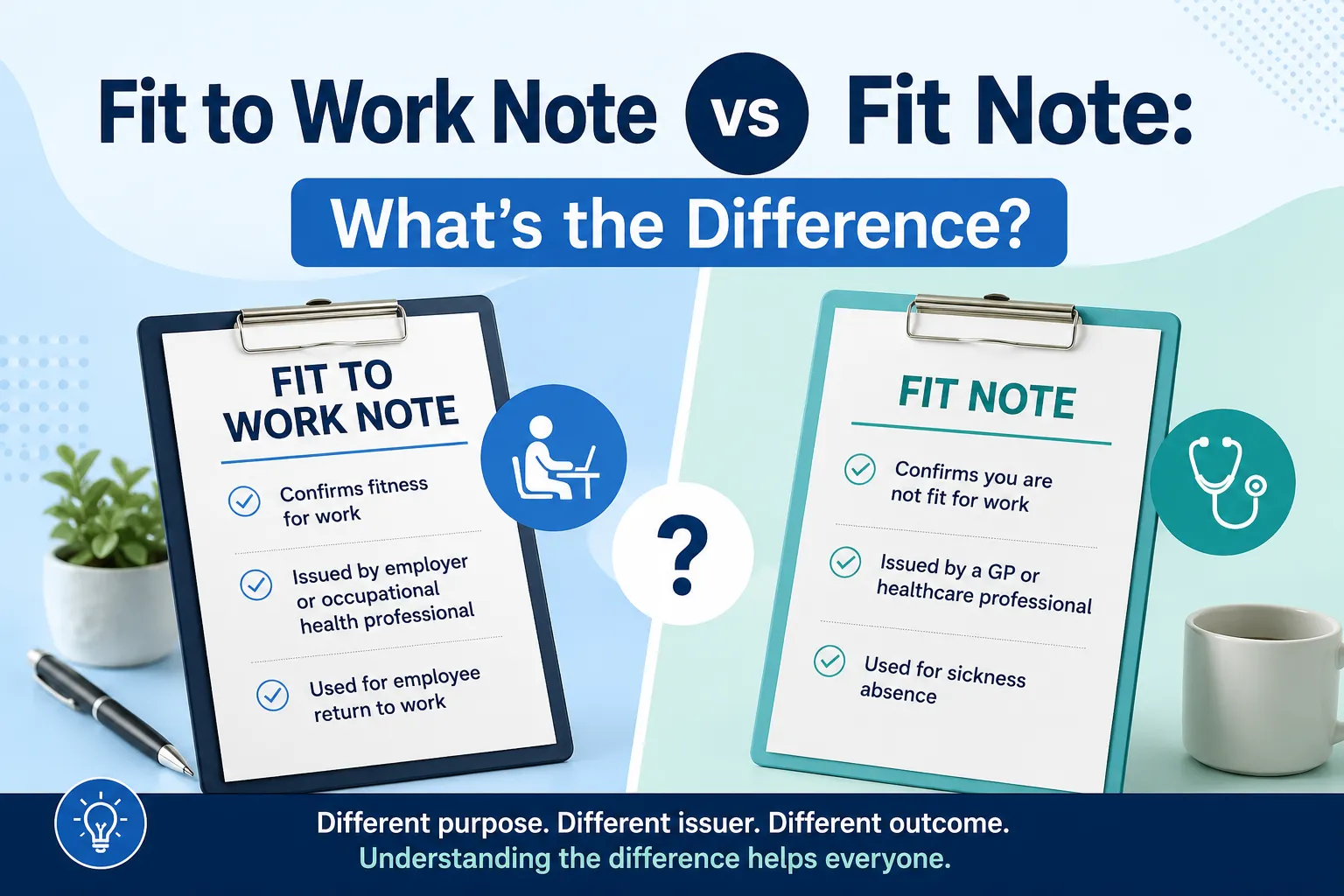
Fit to Work Note vs Fit Note: What's the Difference?

Law Career in India | KLE Society's Law College

Work with an experienced Prenup Agreement Attorney to create a legally enforceable prenuptial agreement that protects…
#PrenupAgreementAttorney, #PrenupLawyer, #PrenuptialAgreement, #FamilyLaw