

 Re-mark
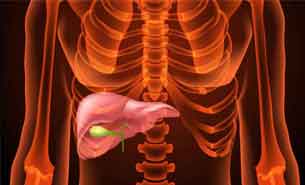
ABOUT GALL BLADDER STONES Gall bladder is a small pear-shaped organ situated just beneath the liver on the right side. The main function of gall bladder is storage of bile made by the liver with an average capacity of 50ml. Normal digestion can occur even without gall bladder as it will still be produced by liver and will reach the intestine for digestion of food but without being stored in gall bladder. When gall bladder continuously fails to empty as it should, cholesterol found in bile precipitate leading to formation of stones. Majority of gall bladder stones are made of cholesterol. Best Gallbladder surgeon in Delhi SYMPTOMS OF GALL STONES Pain in the right upper side of abdomen. Pain radiating into the back between shoulder blades. High grade fever with chills Vomiting or feeling of vomiting(nausea) Improper digestion or excessive gas formation in abdomen (bloating of abdomen) Jaundice leading to yellowish discoloration of eyes and dark colored urine. COMPLICATIONS THAT CAN ARISE DUE TO UNTREATED GALL STONES Acute Cholecystitis: Infection of gall bladder causing severe pain in right upper abdomen persisting for many hours. Rupture of Gall Bladder: Sometimes the gall bladder wall can rupture due to severe infection and pus formation especially in diabetics. Jaundice: When the gall stones slip into the bile ducts, it can lead to jaundice. Pancreatitis: When the stones from gall bladder slip into the pancreatic duct, it can lead to life threatening condition called pancreatitis. Cancer of Gall Bladder: When the gall bladder stones are present for a long time , it can even lead to gall bladder cancer. BEST TREATMENT OF GALL BLADDER STONES IN DELHI: Laparoscopic surgery is a well established and best mode for the gall bladder surgery with clear advantages over the traditional open technique. Long and thin telescope with powerful optical and high-definition monitors, state of the art highly précised instruments and extremely safe energy sources are used to perform dissection of the gall bladder. At Habilite Clinics, our principal surgeon, Dr Kapil Agrawal has experience and expertise to perform both conventional laparoscopic surgery and the single port laparoscopic surgery, the most advanced and sophisticated of laparoscopic surgery. CONVENTIONAL LAPAROSCOPIC CHOLECYSTECTOMY: In conventional laparoscopic surgery for gall stones, we create 3 small holes of 0.5 cm in the abdomen. Long thin telescope along with instruments are introduced. With the help of images projected on the monitors, the dissection of the gall bladder is carried out and the gall bladder along with stones is removed. SINGLE PORT LAPAROSCOPIC CHOLECYSTECTOMY: Single incision laparoscopic procedure for gall stones is a highly advanced, revolutionary procedure performed through a single incision completely hidden inside the belly button or umbilicus. The procedure is carried out entirely in a similar manner when compared to traditional laparoscopic cholecystectomy but requires more expertise and precision for successful outcomes. The major advantage of single port surgery is a single small hole or incision, which remarkably decreases pain and accelerates the recovery. The best part of single port surgery for gall stones is excellent cosmesis because of a virtually scarless surgery. WHY CHOOSE US Uncompromising Excellence Our team has a vast experience of more than 22 years and has the ability to treat most complex cases. State of Art Facilities We perform surgeries at finest hospitals equipped with state-of-the-art technology. Maximizing Comfort Our team ensures to make your surgical journey a pleasant experience in every possible manner. Personalized care We take time to understand patients need and ensure best pre and post operative care RISK FACTORS FOR GALL STONE FORMATION Although there is no definitive reason as to why the gall bladder stone occurs, certain conditions which predispose to gallstone formation are: Advancing age especially more than 60 years Females Obesity Rapid weight gain or weight loss Certain medications like OCPs (oral contraceptive pills), hormone replacement therapy, fibrates etc promote gall stone formation Family history of gall stones Multiparity or multiple pregnancies Bowel diseases resulting in ileal resection or bypass People with certain other illnesses like Sickle cell anemia, Hemolytic anemia or Inflammatory bowel disease
You may like
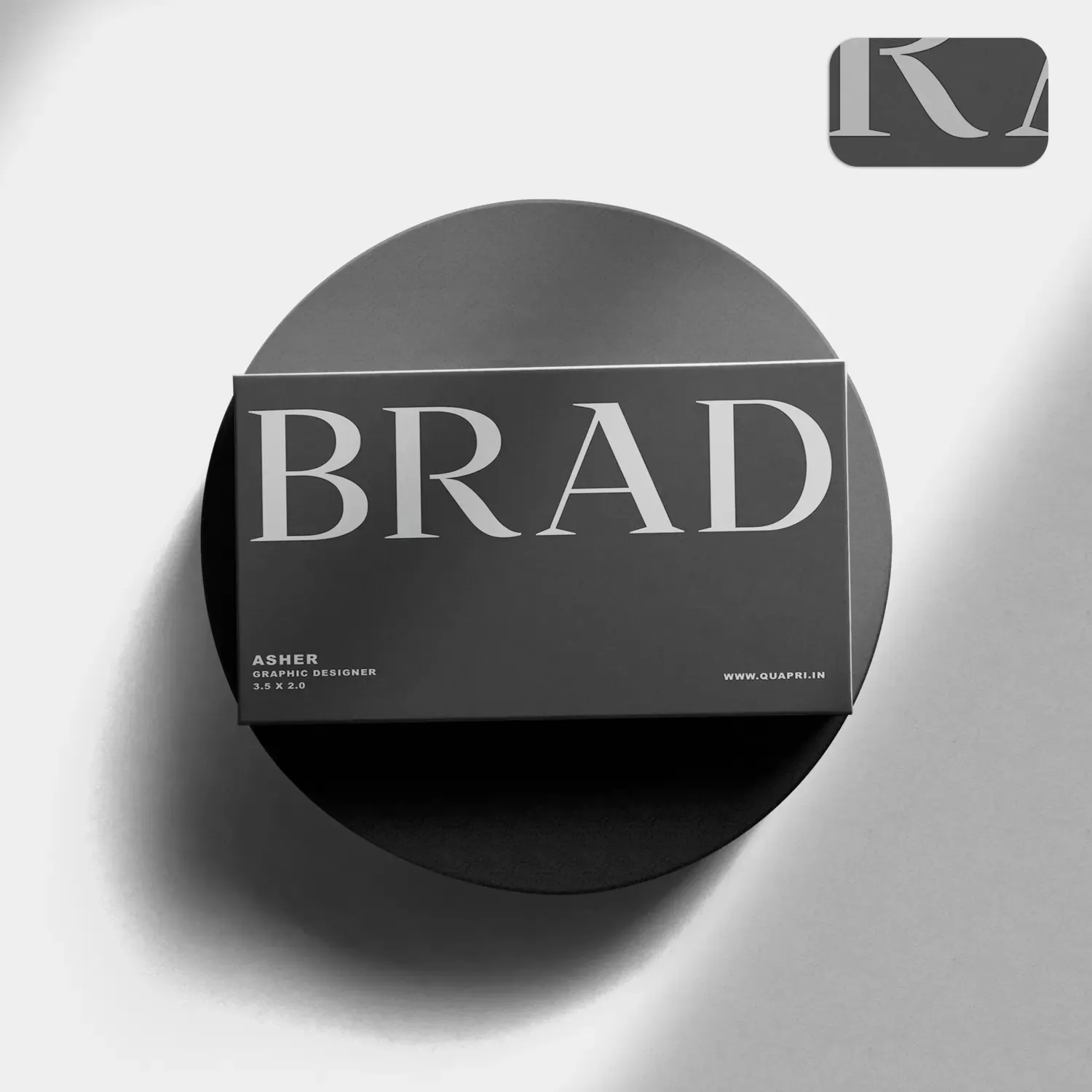
Matte Visiting Cards
#MatteVisitingCards, #MatteFinish, #ElegantBusinessCards, #SmoothTouch, #PremiumQuality, #CustomMatteCards, #ModernDesign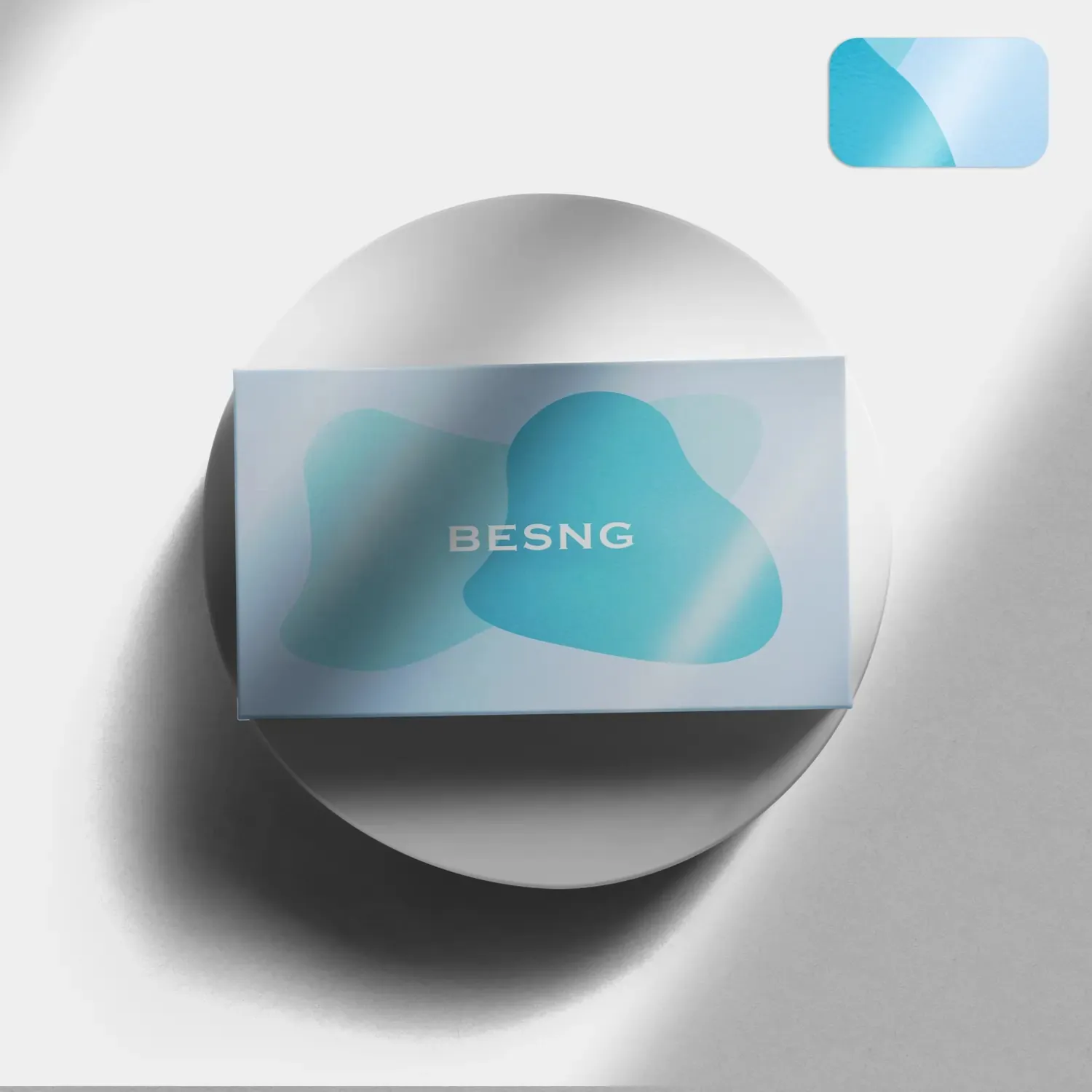
Glossy Business Cards
#GlossyBusinessCards, #HighGlossFinish, #ShinyBusinessCards, #LuxuryVisitingCards, #PremiumPrinting, #ProfessionalDesign, #VibrantColors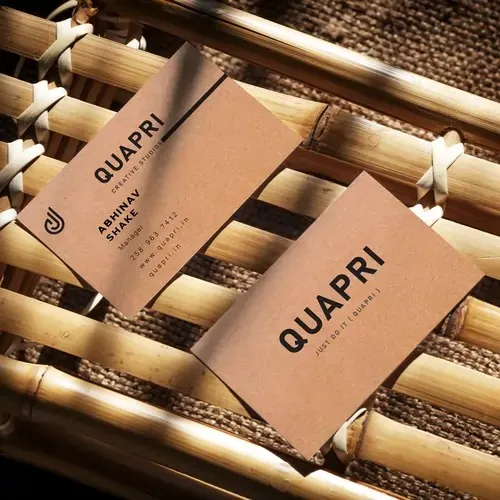
Eco-Friendly Business Card
#EcoFriendlyBusinessCards, #SustainableDesign, #RecycledPaperCards, #GreenPrinting, #EcoBranding, #BiodegradableCards, #EnvironmentFriendly